
The benefit of Controlled Articular Rotations (CARs) with CRAIG THOMAS
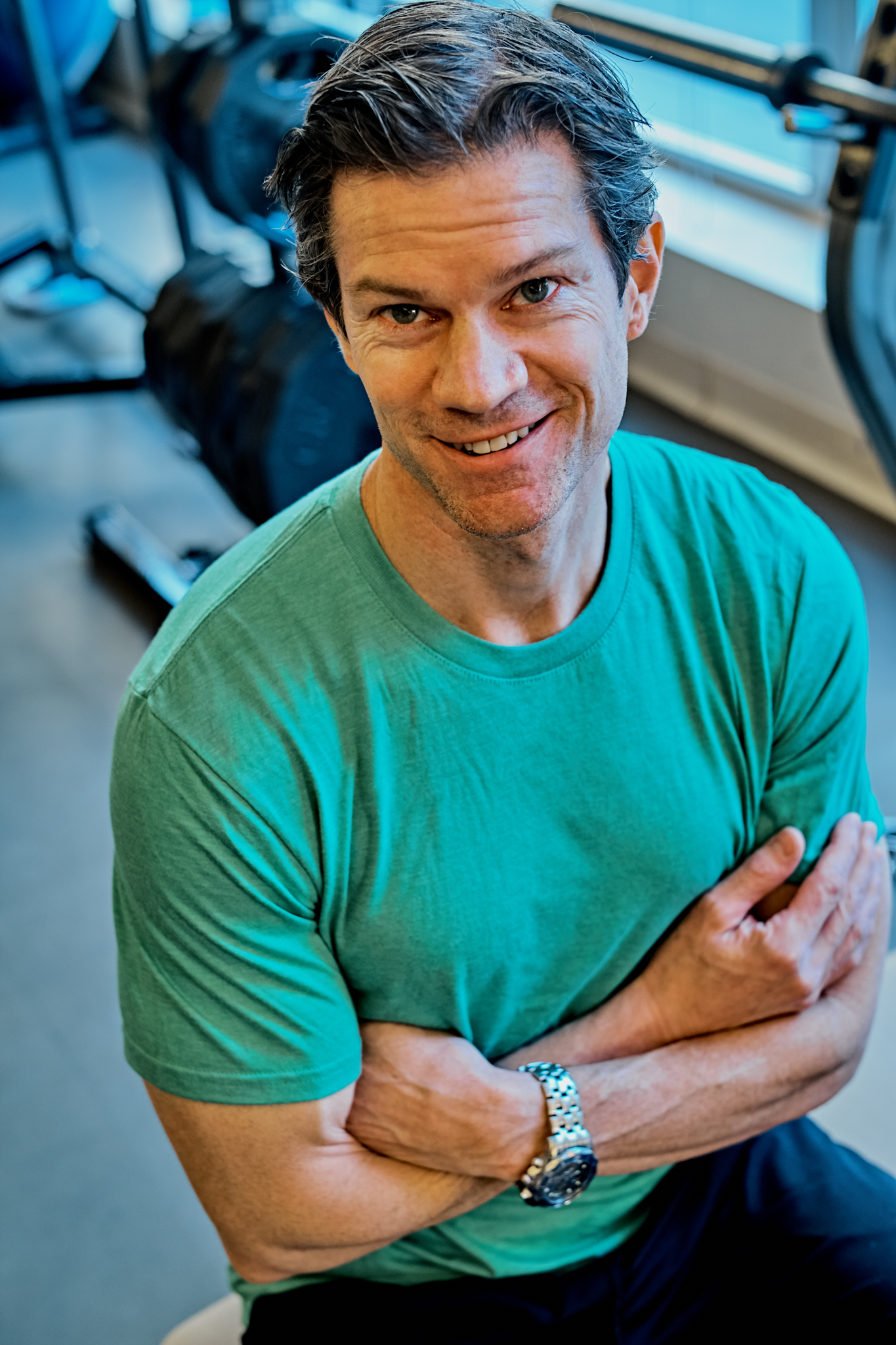
I like to think of CARs like the good 80’s version of Karate Kid (not the remake—there’s only one Pat Morita). CARs serve a higher purpose in that they fine-tune the body to allow for bigger and greater things. But, just like the “wax-on, wax-off” idea, CARs is the behind the scenes homework that is the driver for bigger and more grandiose possibilities. I use it both as the opener to my day physically and as a sort of meditation and presence of mind. The more efficient and better I get at movement capacity, the more calm and open my mind is and the more “centered” I feel.
Most of us who strength train, run, hike, climb, swim or any other physical endeavor usually do some sort of prepared ritual beforehand. Whichever protocol we have decided to use is what we think best gets our bodies ready for the rigors of performance. Warming up before starting a strength training session at the gym has long been known to facilitate blood flow to tissues and prep muscles and joints for ensuing stressors to ultimately reduce the chance of injury. It’s been generally understood that preparing the body for the adaptations that strength training—of any sort—is a wise habit to adopt.
—
There are many different philosophies on which methods are best: hopping on cardio equipment for 5-10 minutes, dynamic stretching, breathing exercises and even repositioning techniques like the postural restoration institute (PRI) proposes. None are bad choices. But I believe the Controlled Articular Rotations (CARs) sequence is the most optimal and prepares your body for the greatest range of motion it can achieve.
The CARs battery is the backbone of the Functional Range and Kinstretch systems. It is rooted in tons of science and works as a self screening process on how available a joint is to perform a demand of resistance. It tests the limits and available space that a joint can use and allows the athlete to know ahead of time what he or she can expect to be able to do. It’s a sort of self examination that can be done any time of the day—I do them multiple times—and can even be used to enhance the current range of motion.
The CARs protocol is broken up into segments of the body: cervical and thoracic spine, scapula, elbows, wrist, glenohumeral joint, hip, knee, tibia, patella, ankle and toes. Fingers can even be practiced. Good coaches can detect most compensation patterns and help the athlete figure out what joint his or her body is having trouble controlling. Breaking down the specifics of each CAR is what should be focused on to maximize each specific joint’s capacity. And as I get more full and clean movements, I can work on specific segments of the joint that I may have trouble with. I become my own teacher in how my body can honestly move something without compensation and how available and prepared my body can be in specific positions like squats, overhead loading positions or any twisting demands.
—
The beauty about the CARs routine is that it’s portable, doesn’t require any tools, and can travel with you wherever you go. It can be modified, rearranged, slowed down or sped up. It can be used with or without props or assistance materials (such as a wall or a stick). It does, however, require specific requirements when making the full movements during the initial learning time period. But it’s meant to be with you for the rest of your life as your own personal guide and “virtual” screening assistant.
CARs is my morning wake up call to get going. Feeling my body fully both in trying to move specific joints and also not allowing others to come along for the ride allows me to understand what it’s like to be in control of my movements before I start my day. It helps to both conserve energy through less superfluous body compensations and improve energy flow by recruiting on the muscles that cross that joint. Efficient. Simple. Effective.