Clayground: A Journey to Open a Clay Studio
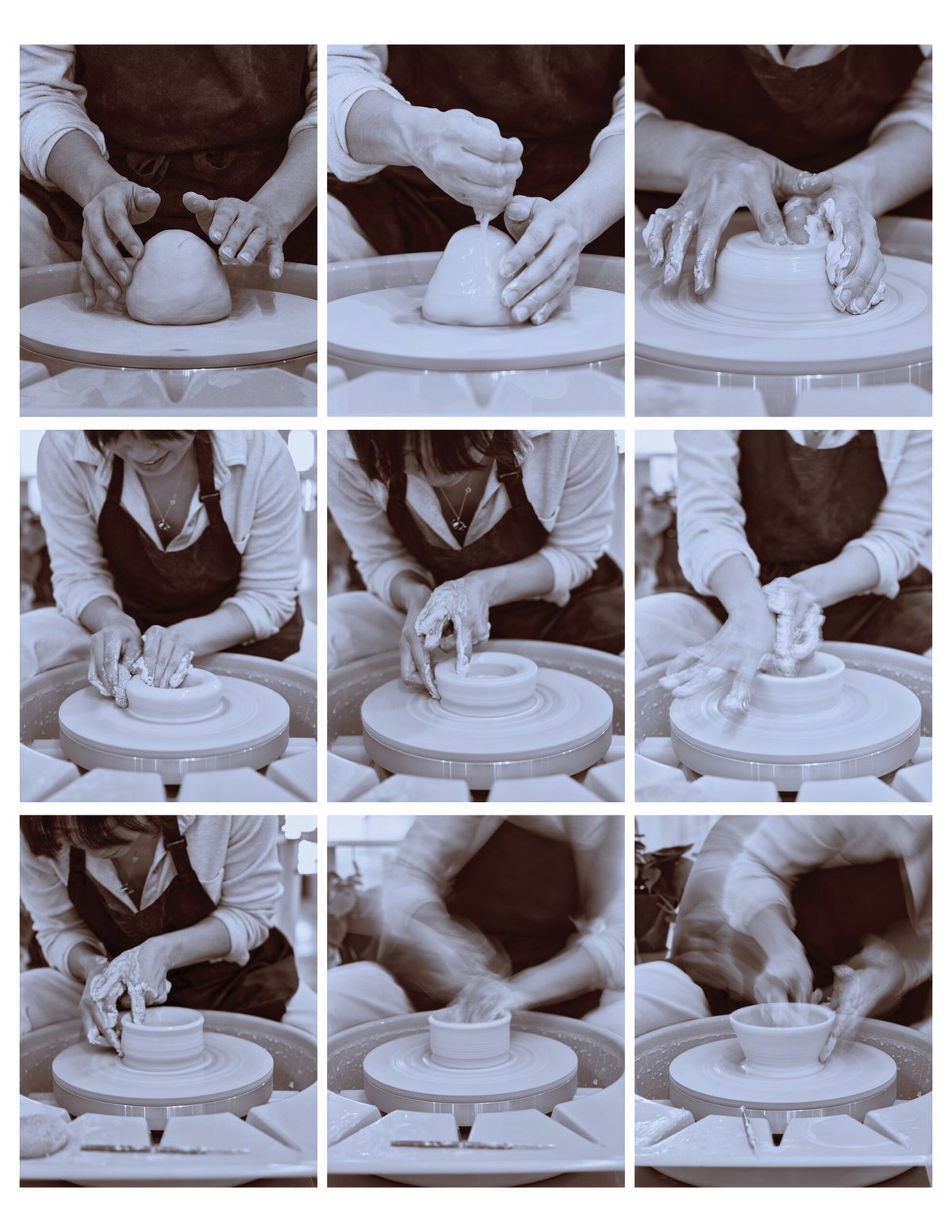
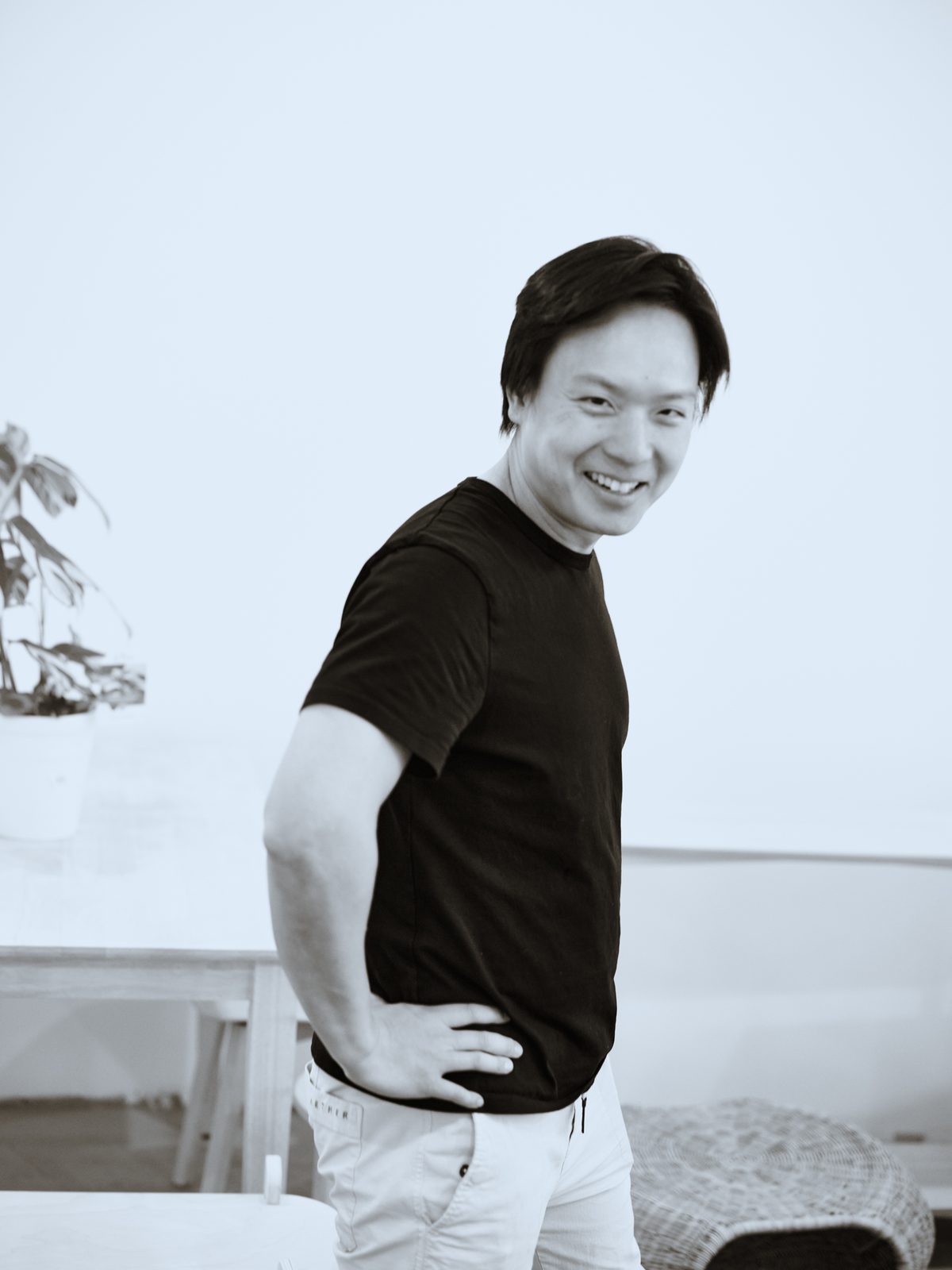
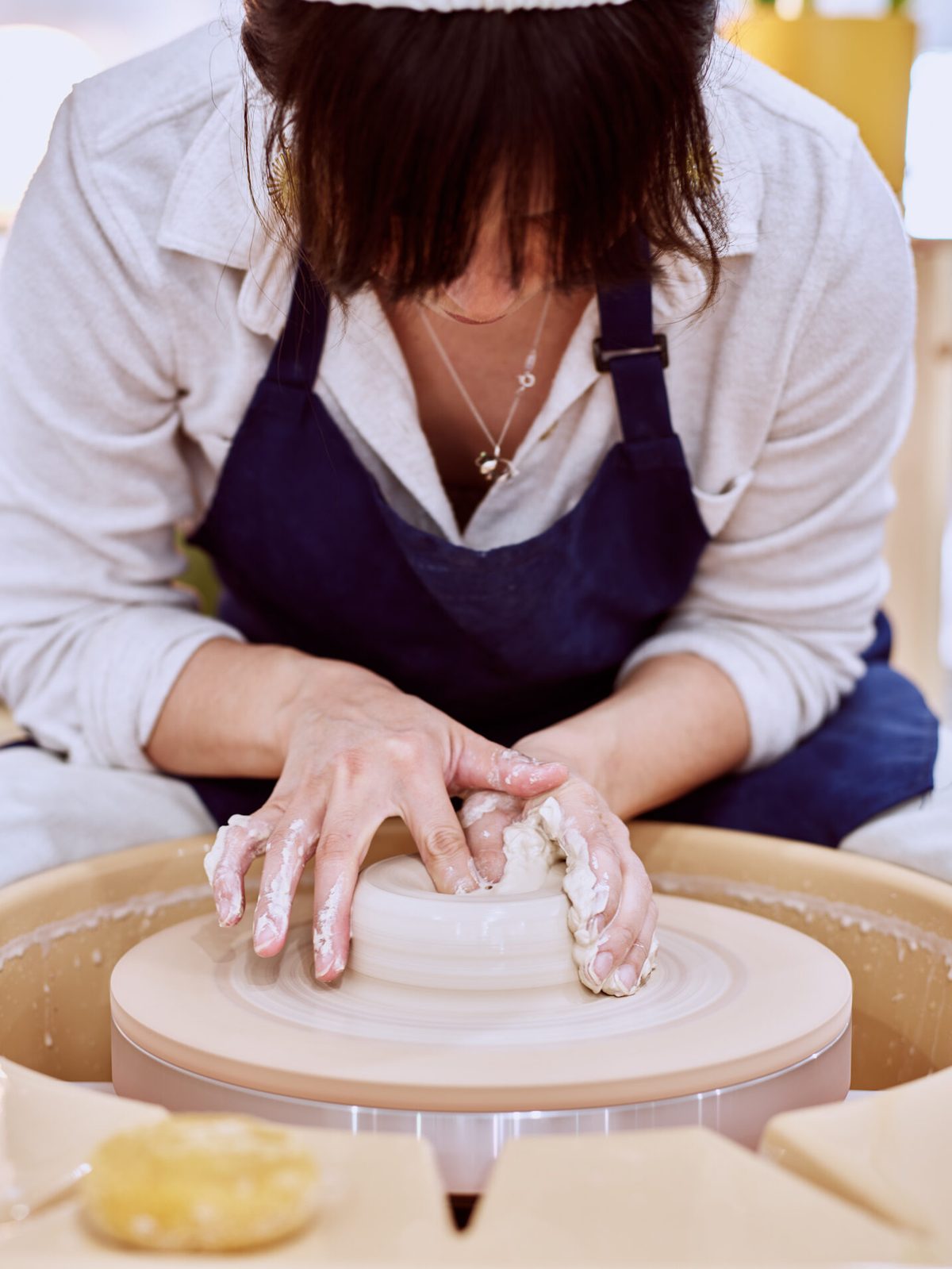
The first time I tried pottery, it was just so fun. Of course, I was no good, and I didn’t know what I wanted to make. I didn’t dare to want to make something – what if I couldn’t? But it was fun. The way I could push on the wobbly clay to get it to spin smoothly immediately gave me purpose. A perfectly centered lump of clay is a mesmerizing sight. I made that.
In its first steps, throwing clay is forgiving. There’s no permanent mistake that a bit of smoothing out cannot fix. You just need to apply a bit of strength with little regard for finesse, and perfection is easy to achieve.
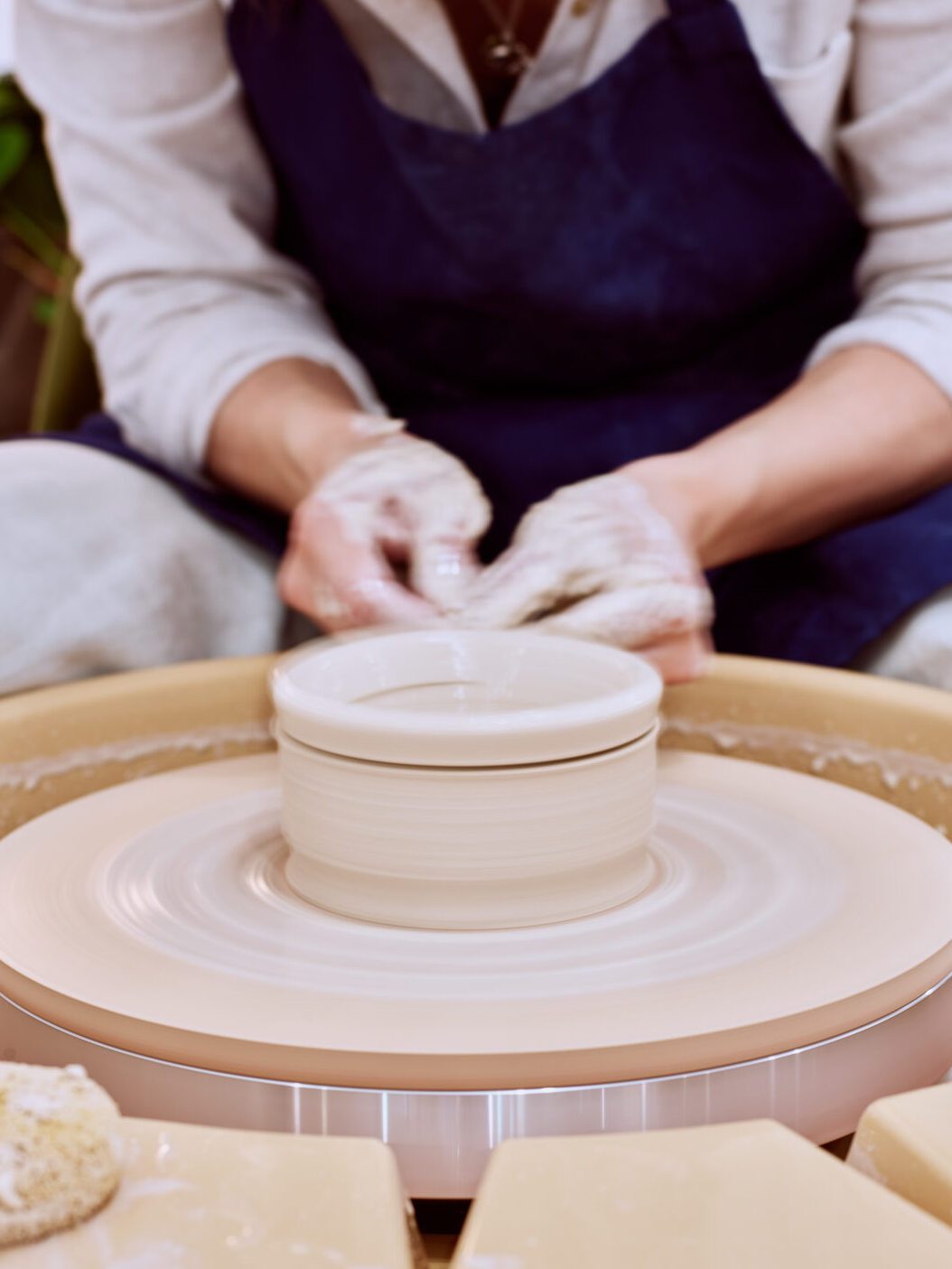
But potters don’t hang their hats on well centered clay. I had to progress to forming cylinders, then to creating shapes with function or beauty. Or, hopefully (eventually) both. That was the hard part. As the cylinder walls are thrown up, mistakes become impossible to reverse.
This difficulty fuels my appreciation for the skill. And so I admire the level others have achieved and practice to get there myself. It is not a stretch to see how this practice applies to other aspects of life. Focusing on forming a single object calms the mind and feels good. Sometimes you reach the limits of your skill and learn something new. Sometimes mistakes are ugly; other times you see the beauty in the imperfections.
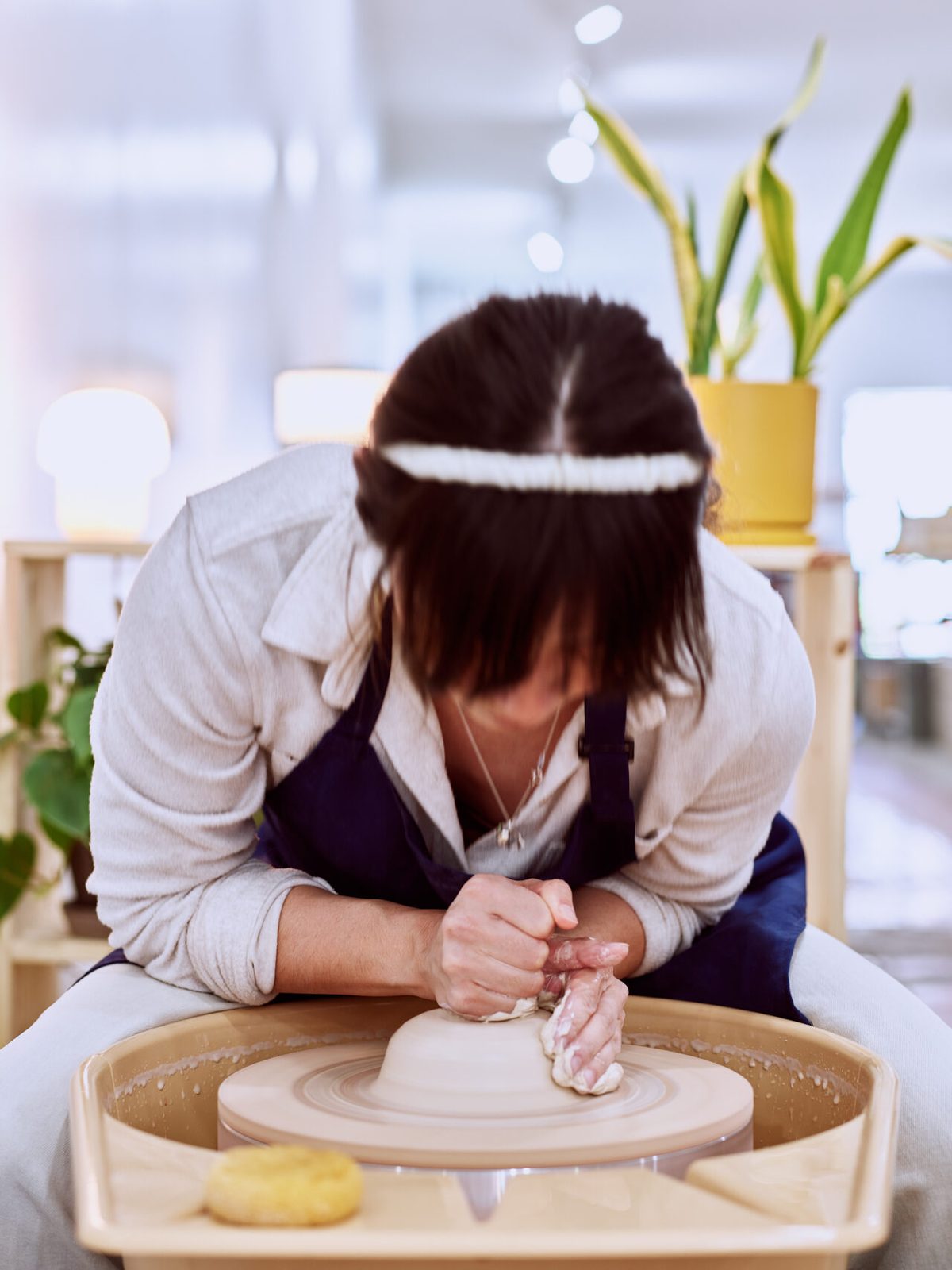
In 2020, the pandemic brought us to Santa Cruz, California. We were surrounded by so much natural beauty. I started to dream about a pottery studio in the Santa Cruz mountains. I loved the idea of creating art in a naturally inspiring space. But I didn’t have the resources or an idea of where to start, so that particular dream remained as wishful thoughts.
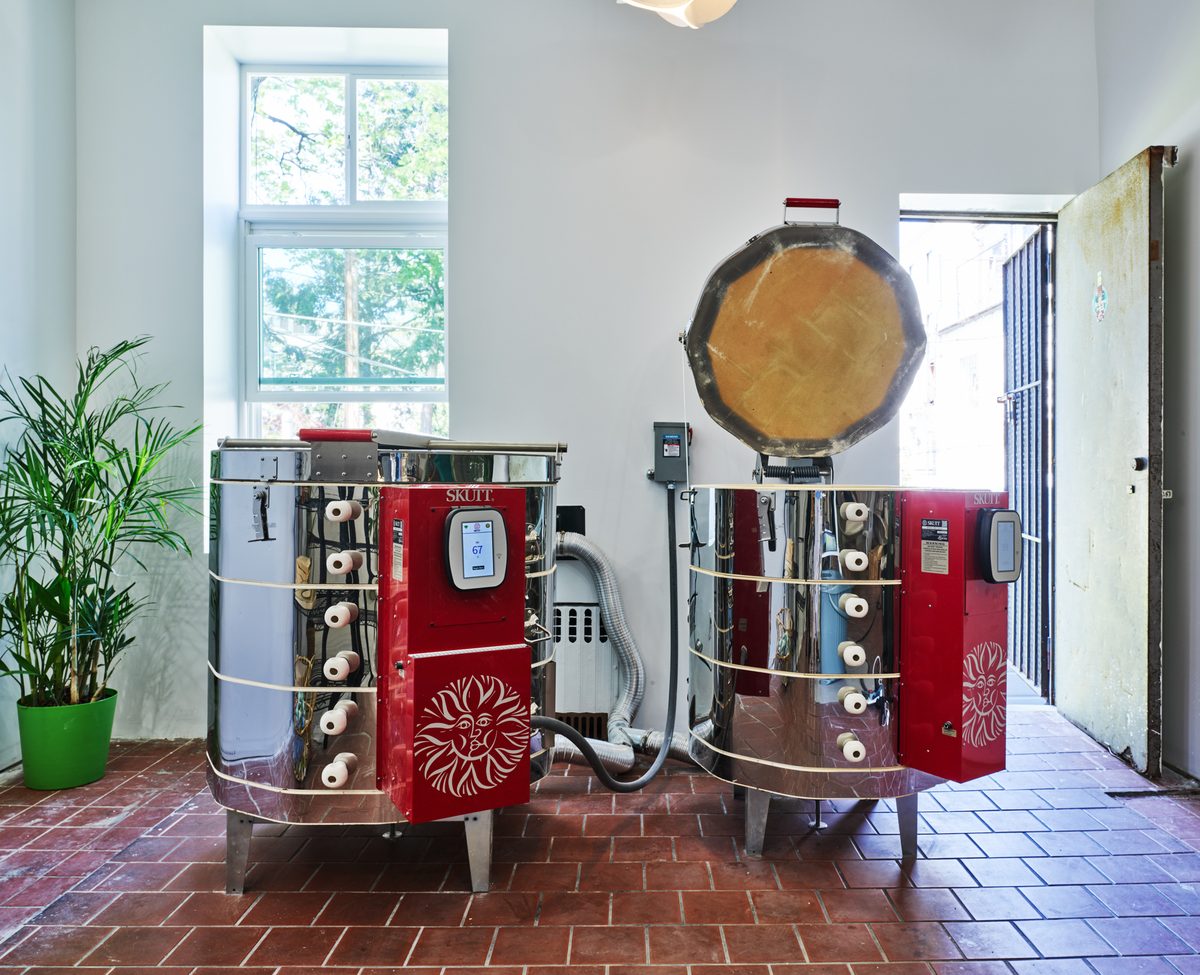
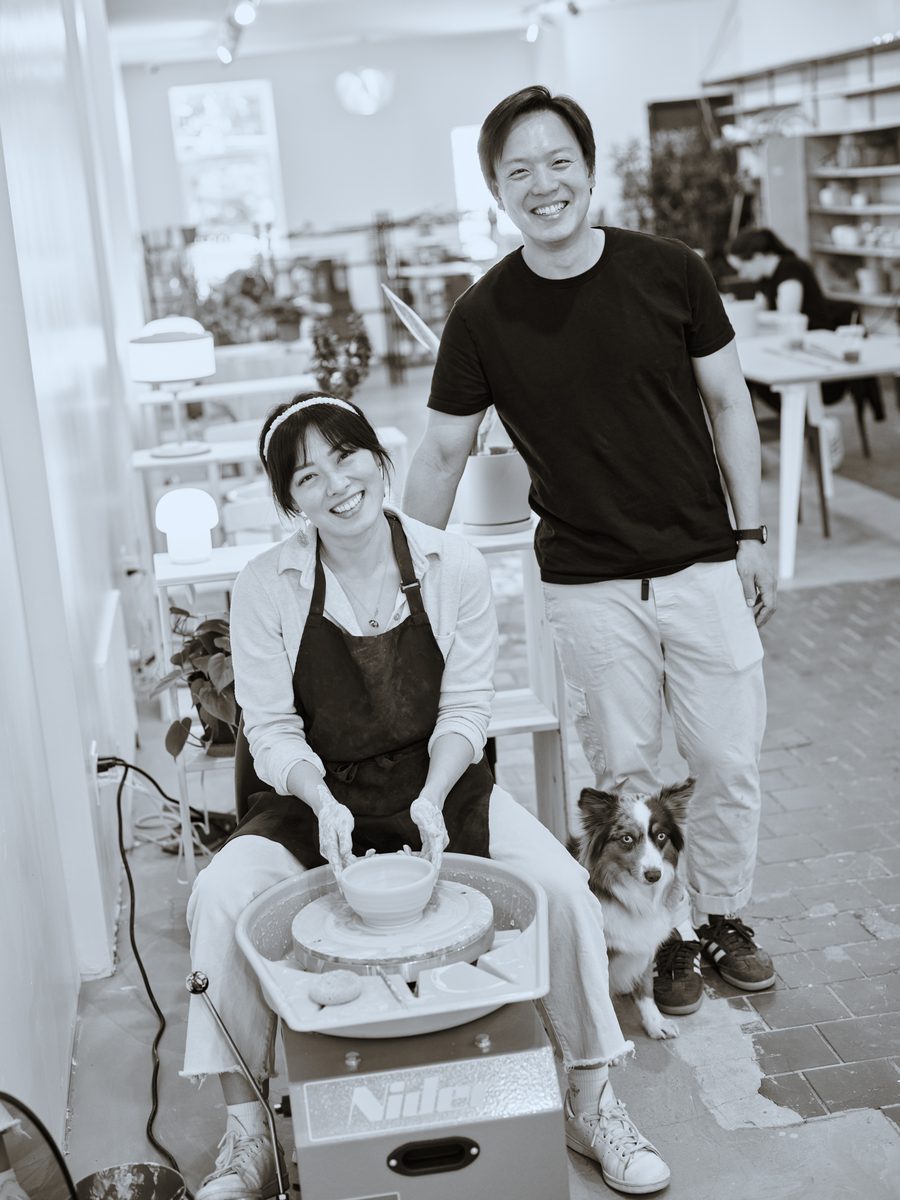
Three years later, we had moved to Brooklyn, and I was looking to pick pottery back up. But my excitement quickly faded as I learned the studios around me had waitlists over a year long, with hundreds of people on them. There could not have been a clearer sign for me to jump into creating a new studio. I got excited about the prospect of providing access to pottery for the community. My partner and I got excited about the kind of studio we could create that would inspire art and just feel nice to be in. We named it Clayground. Deciding was the easy part.
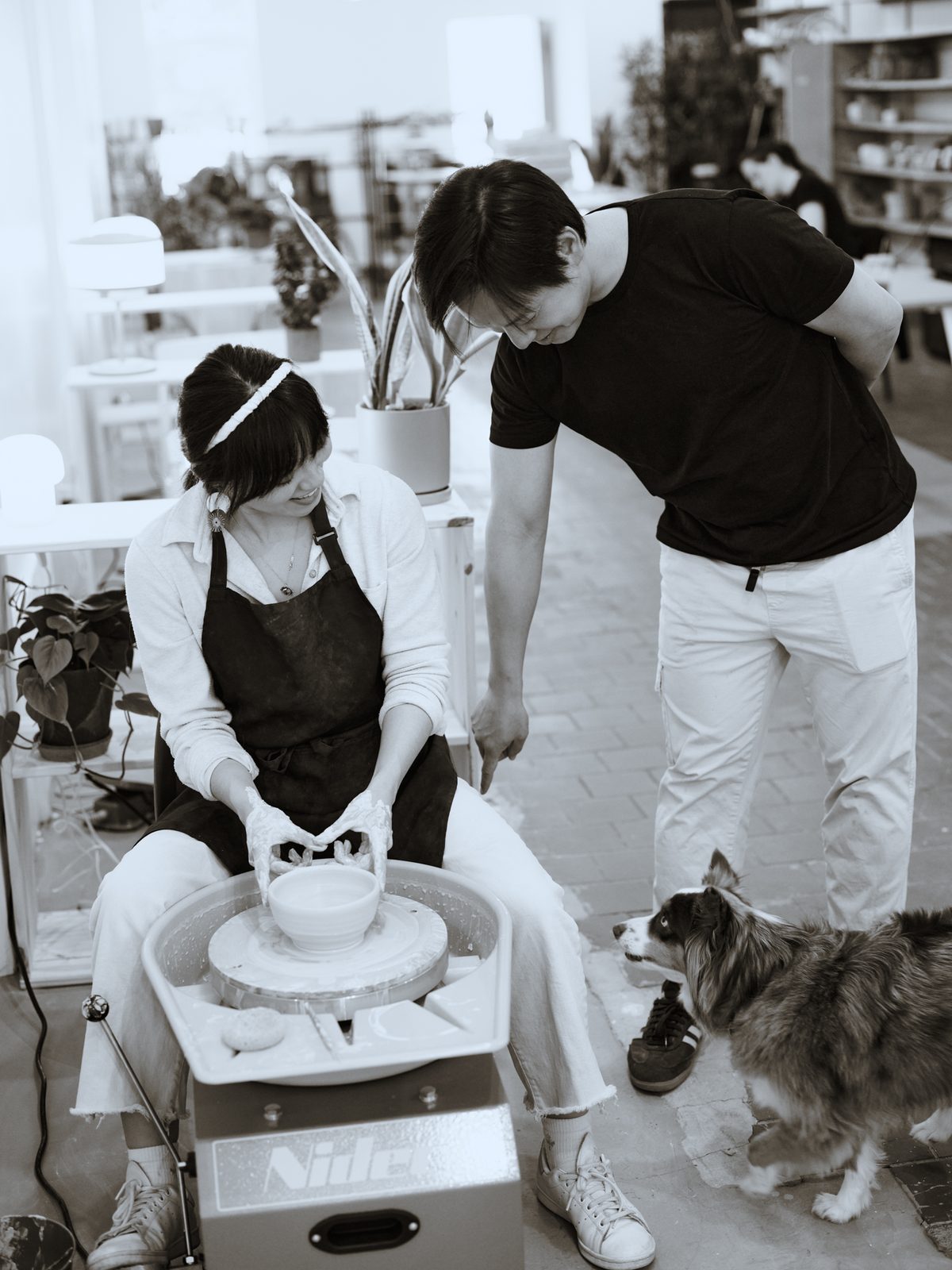
Then came two hard years. Lease negotiations abandoned with a week left to go, after attorney fees had already been paid. Contractors who feigned fire safety knowledge, only to be exposed upon city inspection. Violation fees that alone exceeded our entire buildout budget. Expeditors who collected fees and stopped responding. Paper forms handed in physically at city departments, with no acknowledgment of receipt and no idea when or if we would hear back. Months passed by paying rent on an unfinished space with no control over the progress. What have we gotten ourselves into? My self-doubt became crushing. In response, I learned to ignore the bigger problems and focus on getting through each day, doing what I can.
Overcoming our challenges came down to meeting the right people. For us, that was Christina Halatsis, our architect. Not only did she help design our space, ensure compliance, and project manage the city approval, she introduced us to everyone that we ended up relying on to get to the opening: our contractors, expediters, and even Aleks. The wins arrived in bursts. Violations corrected. Construction completed. First customer signup. First furniture purchase. As the angst and anxiety of the buildout process left my mind, it began filling with what I wanted to think about: how to design the space.
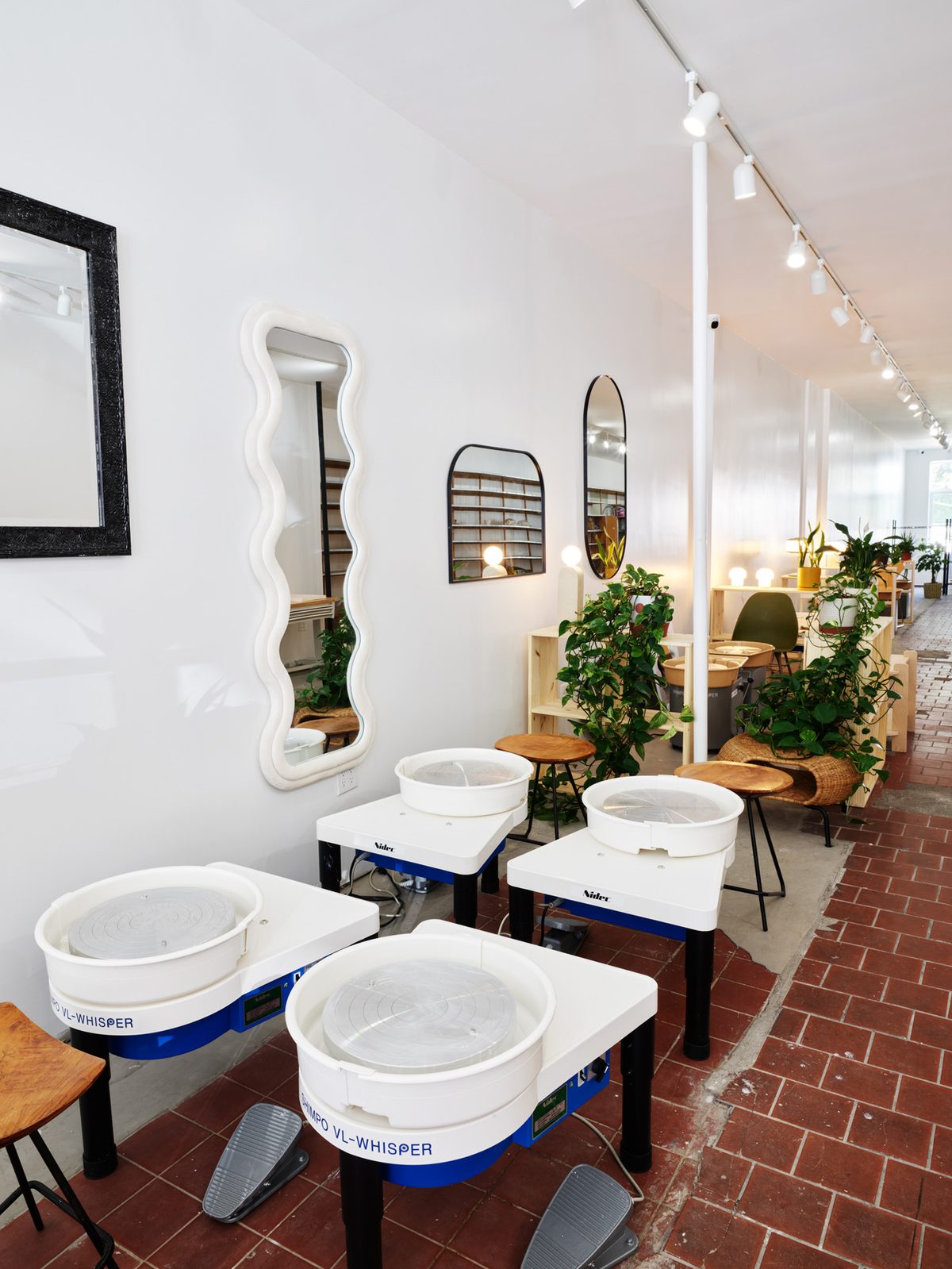
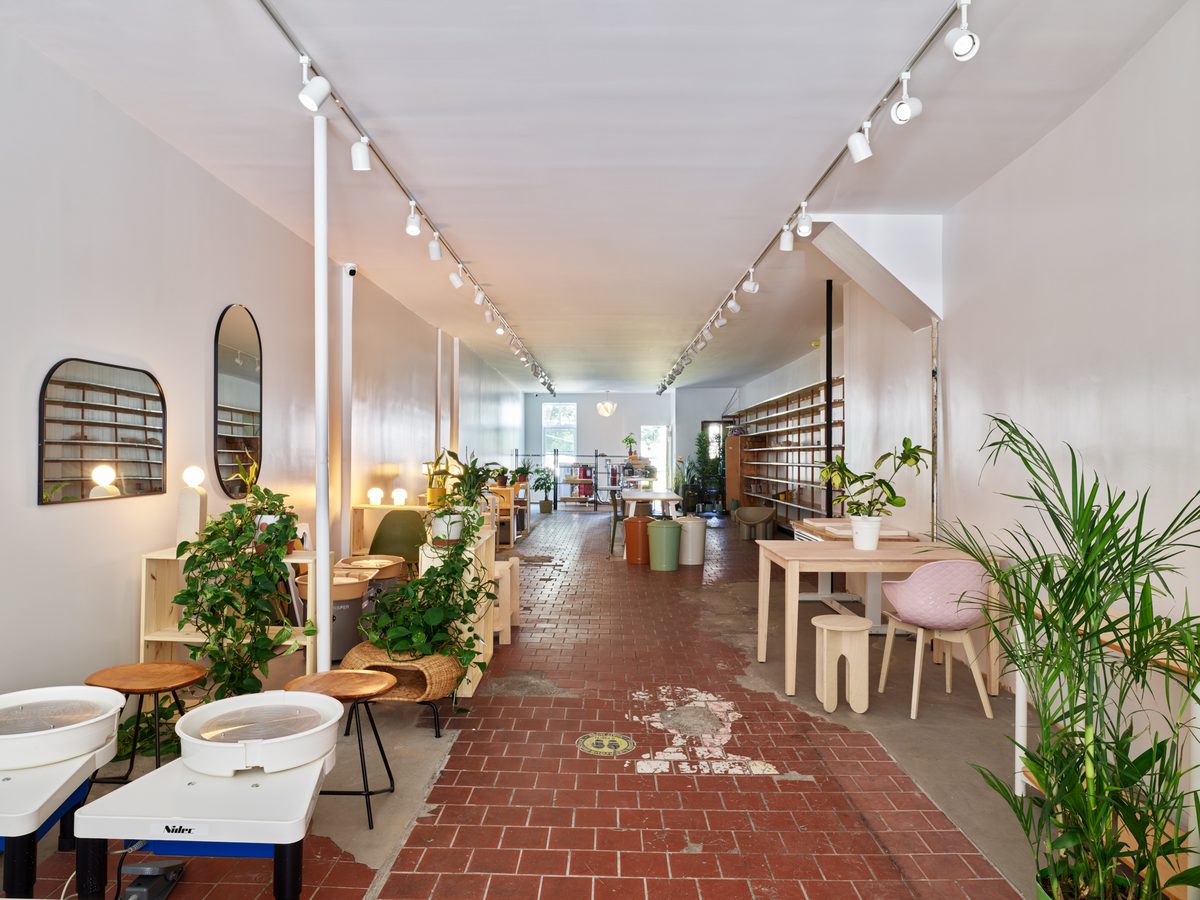
Plants are naturally calming and natural foils to human-created pottery. They also commonly inspire forms and patterns in people’s work. I wanted lots of them. To make the space feel as spacious as possible, people walking in should be able to see through the entire studio (but not the bathroom door). This meant that the shelves to separate the kiln area have to be the right height. I don’t know much about feng shui, but I buy that sitting facing the entrance is more comfortable than sitting facing away, and I definitely don’t want to work facing the wall. So the seating at the wheels and tables were arranged to face the entrance. Plus, sitting front-to-back feels more private and roomy than sitting side-by-side. I wanted to do my best to design an ideal space for creating art. This was back to being fun.
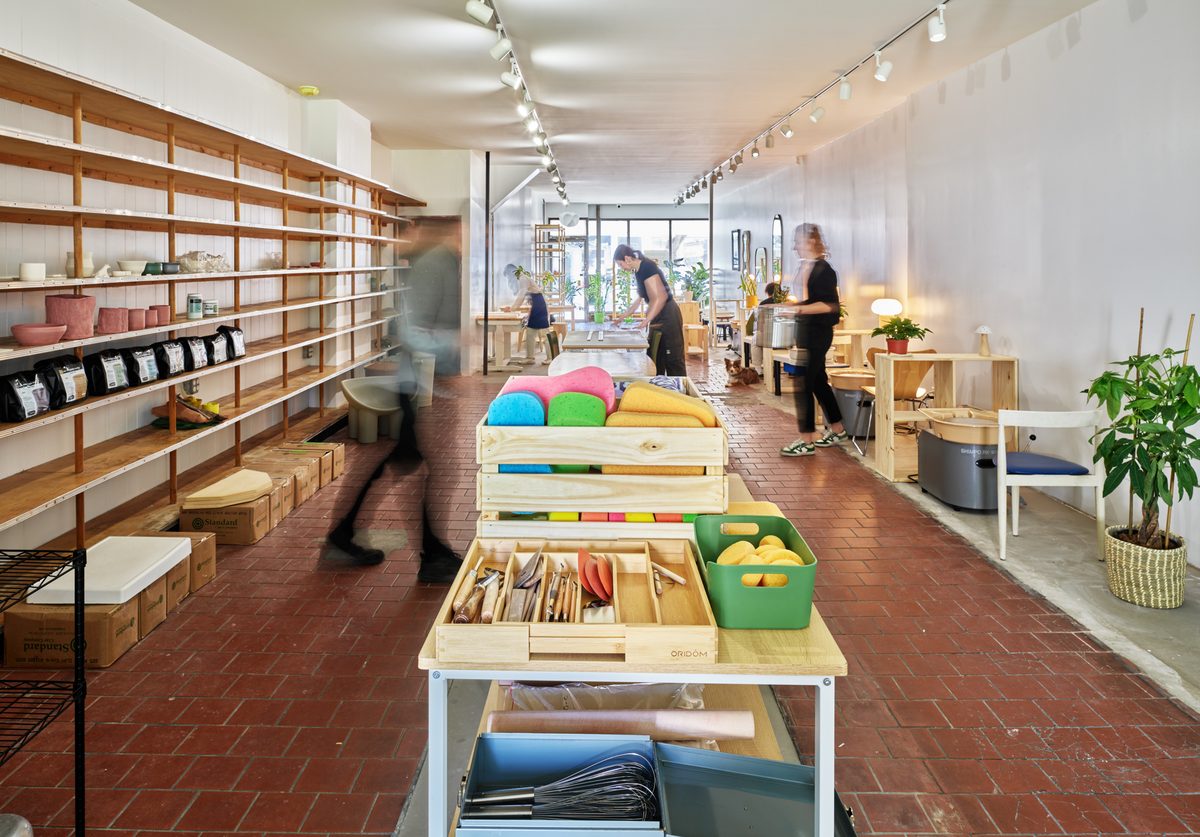
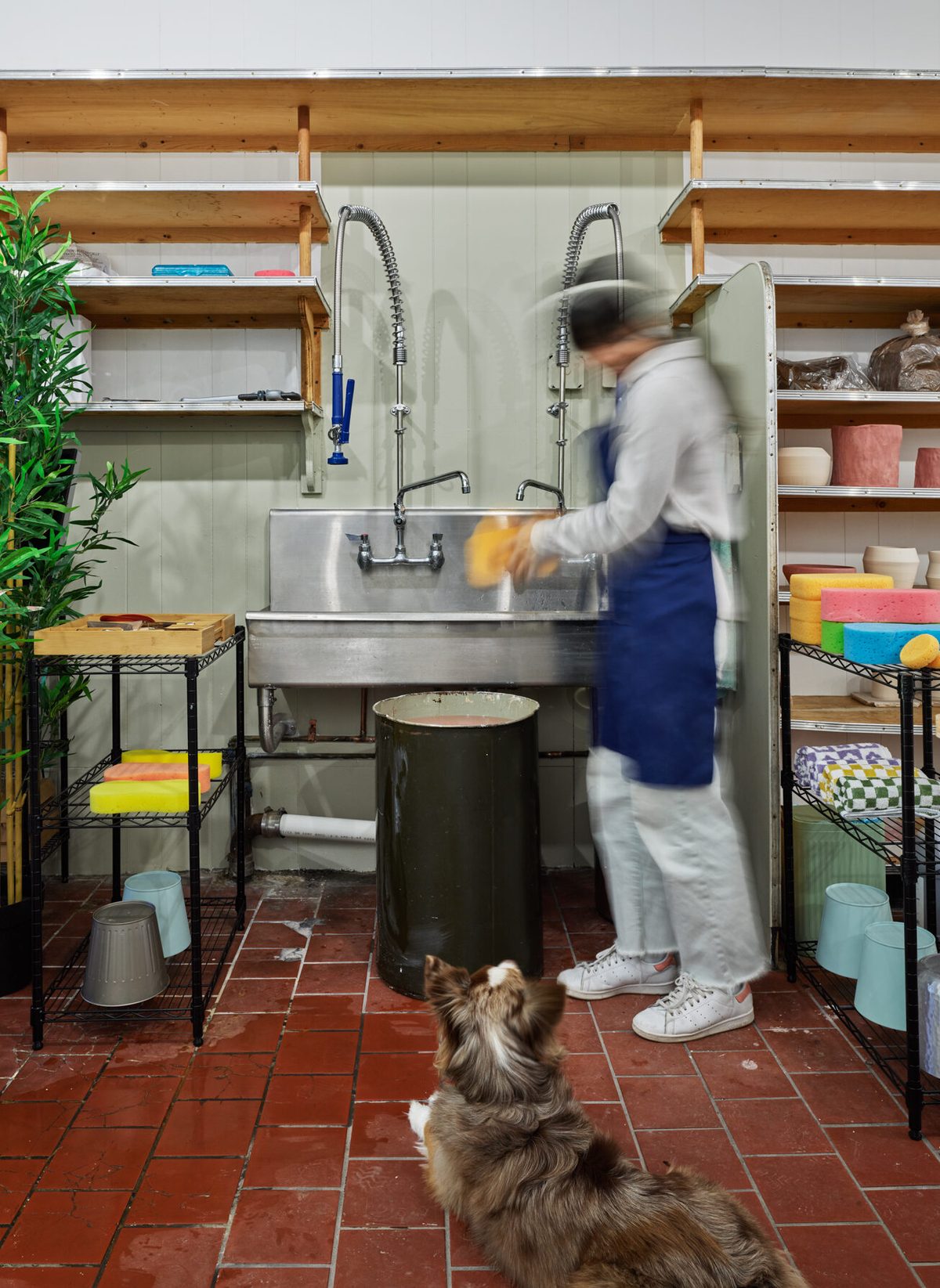
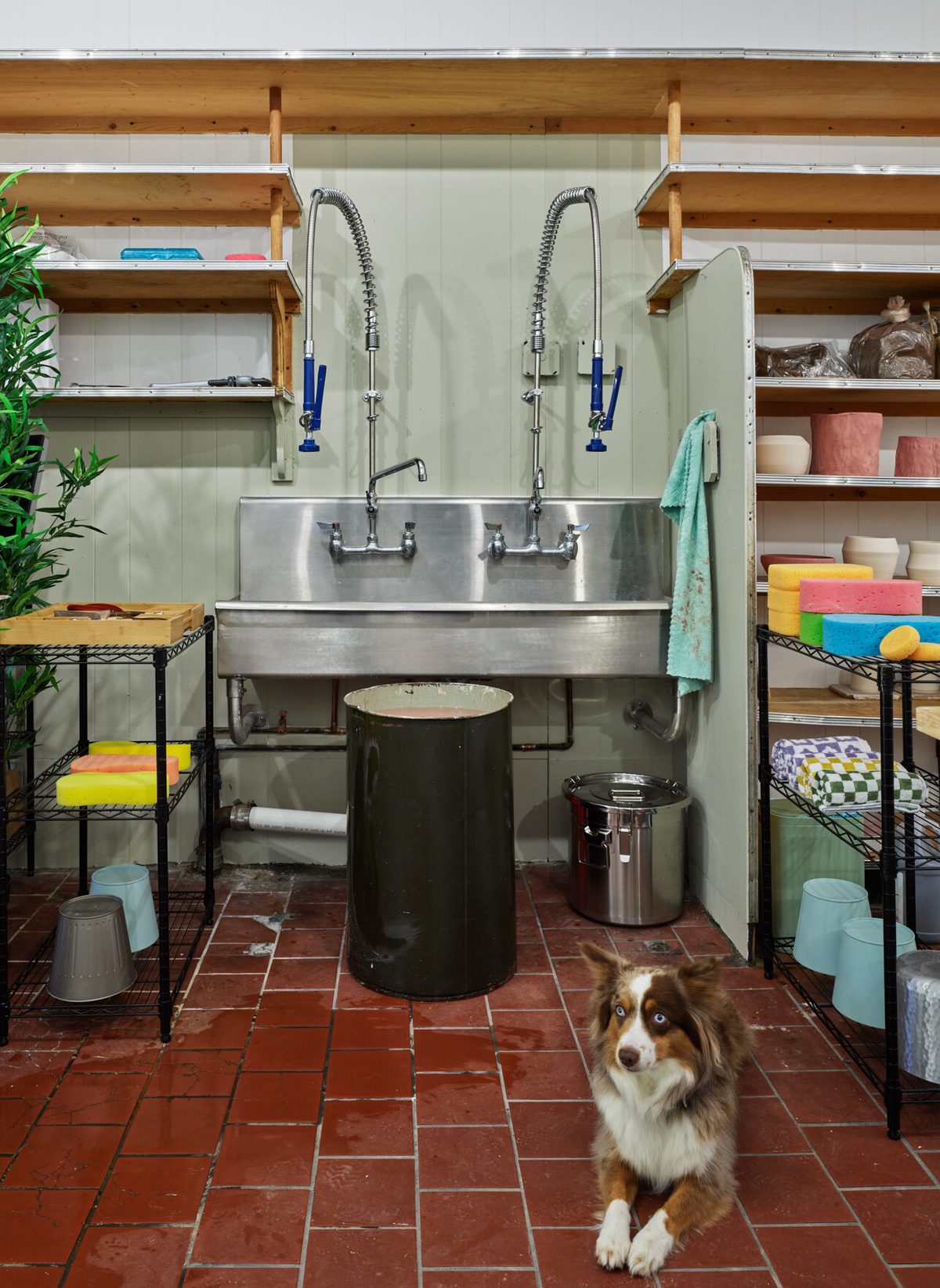
It’s been just over three months since we opened, and Clayground has been dreamy. Our members are wonderful; all joyful, upbeat, inspiring. Friendships are easily formed since we share the same hobby and space. They bring their family and friends to enjoy the studio and the art that has started to fill the shelves. The art! Lamps that bounce light off of tiny clay frames, vessels of mixed clays swirling in color, carved patterns that are energetic yet neat, effortlessly flowy pieces precise in technique, huge vases with earthy textures, bold pop art on mugs, intricate paintings on kitchenware, forms that mimic coral and seashells… There is so much delight and inspiration, and we’re just getting started.
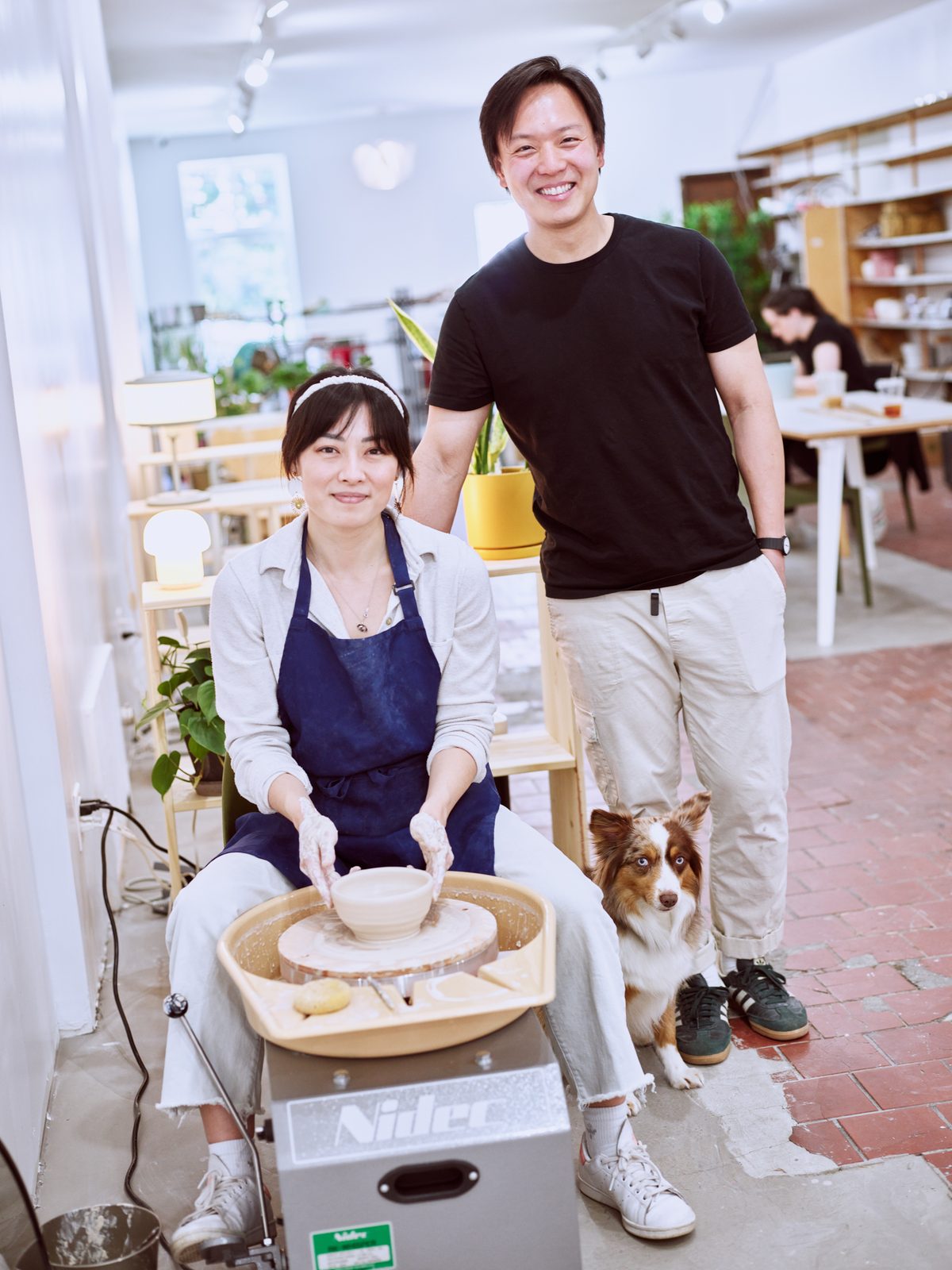
Don Lee
Clayground is a pottery studio located at 312 Court Street, Brooklyn, NY 11231. We launched in the spring of 2025 to increase our community's access to ceramic arts. We aim to support our members wherever they are in their journey, whether they are learning the basics, exploring new styles, or want to learn about glaze mixing and kiln operations. Email: info@claygroundbk.com | Website: claygroundbk.com | Instagram: @claygroundbk Halatsis Architect Website: halatsisarchitect.com | Halatsis Architect Instagram: @halatsisarchitect
All pieces by Don Lee →