I Hear Dead People: How Motherhood, Travel, and Genre-Blending shaped a Sophomore Alt-Folk Album.
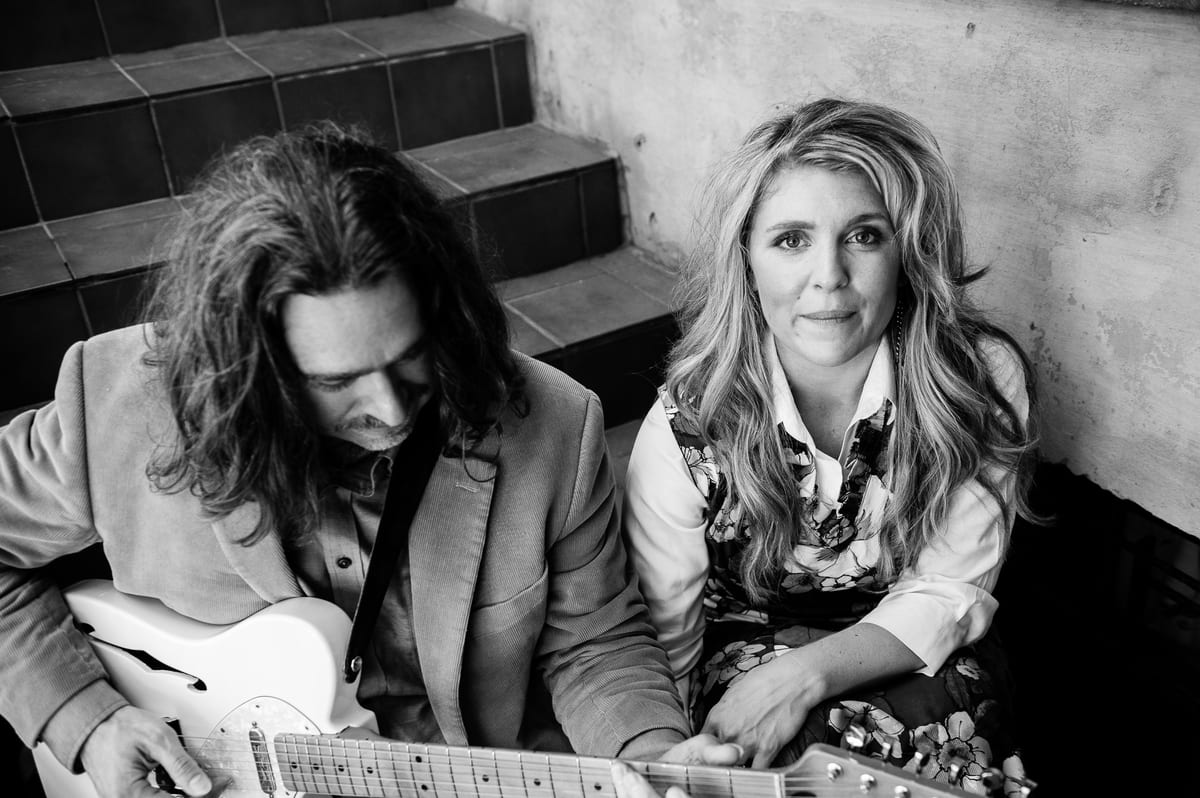
For some artists, genre is a box to be respected. For others, it’s a sandbox to play in. For me, it’s always been the latter. I thrive on variety and transformation. Whether it’s slipping into a folk aesthetic, leaning into experimental textures, or drawing from my classical training, I’m most alive when I’m moving fluidly between worlds. Genre, to me, isn’t a destination, it’s a set of tools, moods, and histories I can call on to tell a story.
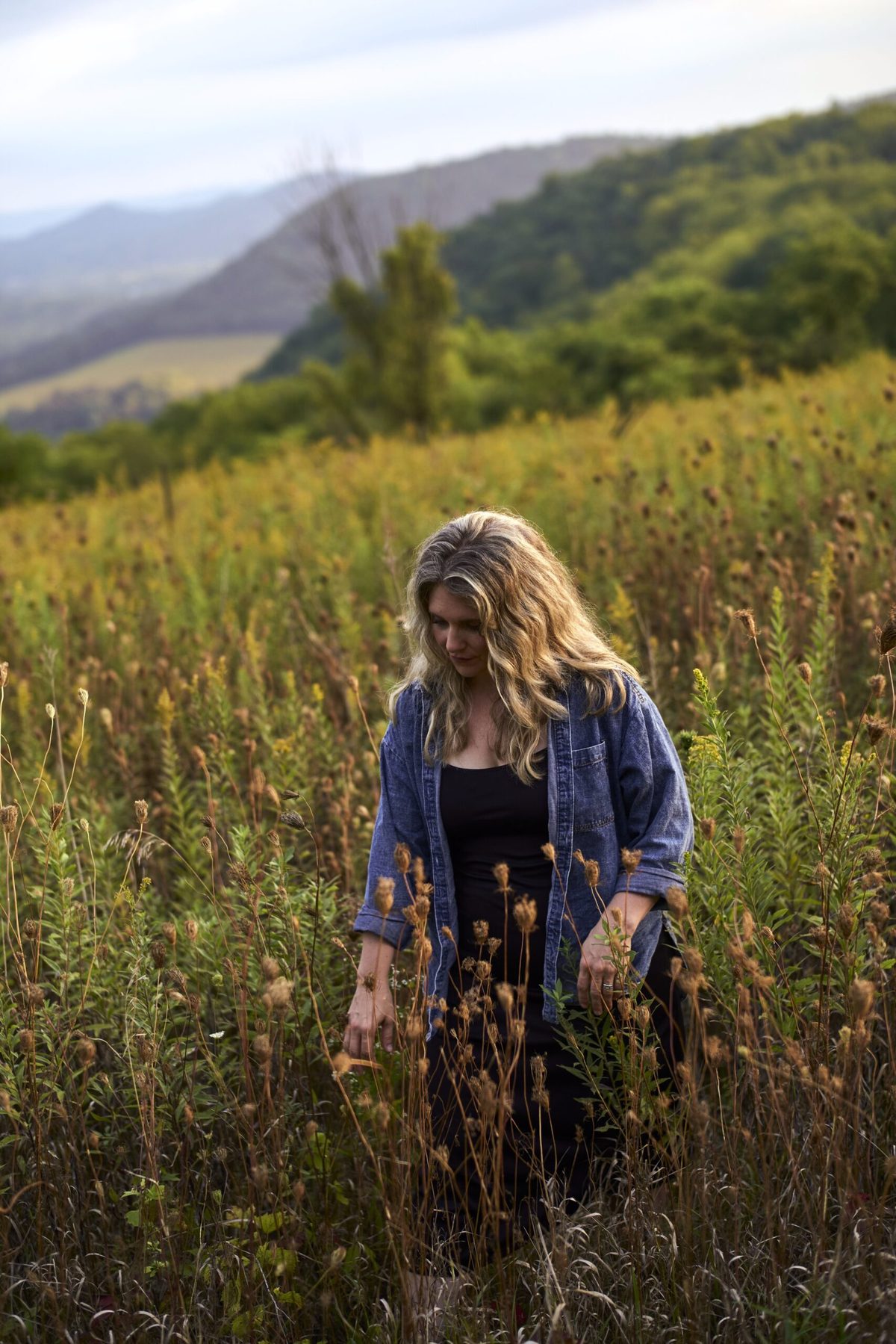
My classical training gave me a deep well of skills, musicianship, vocal technique, emotional nuance, but the rigid hierarchy of “high art” never quite fit. I felt split: grateful for the craft, but uncomfortable with the culture. From the moment I arrived at DePaul, I began pushing against that grain, immersing myself in experimental music and finding community outside the mainstream. Over time, I stopped seeing classical music as a rulebook and started seeing it as a toolkit, one that I draw on constantly, even as I write and sing music that sounds more like Woody Guthrie than Wolfgang Amadeus.
That blending of styles and identities is at the heart of Braided Together, my upcoming album. It’s a slow-built collection of songs, rooted in decades of songwriting, improvisation, collaboration, and a desire to tell the stories I carry. My collaborators come from all over the musical map: from Irish traditional musicians to experimental composers, from soul and country artists to classical singers. The result is music that feels familiar and strange all at once, folk songs dressed in new harmonic clothes, country melodies sung with classical technique, experimental textures woven through storytelling.
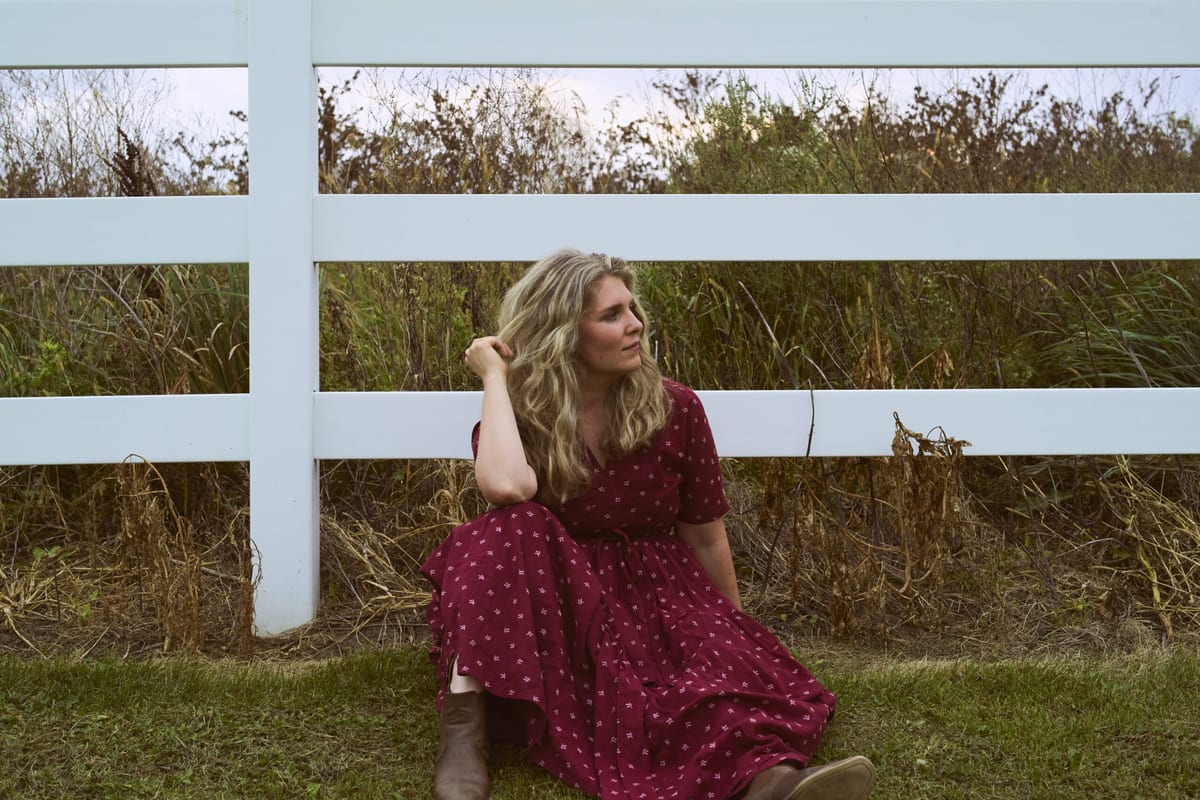
I grew up in Omaha, Nebraska, on a steady diet of radio pop country, Reba McEntire, and Garth Brooks, alongside classical piano lessons and a deep yearning to play fiddle tunes and Scott Joplin rags. College opened doors to Joni Mitchell, Kurt Weill, and the idea that songwriting could be both personal and political. Moving to Chicago brought me closer to the new music world and expanded my teaching and performing opportunities, but it was stepping back from festival organizing to focus on motherhood and my own music that sparked this new phase in my artistry.
This album isn’t just a sonic blend, it’s also a reflection on community, identity, and history. As someone descended from homesteaders, I think a lot about legacy: the resilience and violence that coexist in our family stories. There’s power in reclaiming folk music not as nostalgic entertainment, but as a vessel for truth-telling and connection. I see that same power in teaching community choirs, in hearing people harmonize for the first time, in making music that brings strangers together in a room.
We often talk about breaking down genre barriers, but we also need to think about audience, about building bridges between listeners as much as styles. That’s where the real work is. Whether in a bar or a concert hall, I want my music to spark recognition and curiosity. I want it to invite people in.
Braided Together comes out this June. It’s for anyone who’s ever felt like they belonged in more than one place at once.
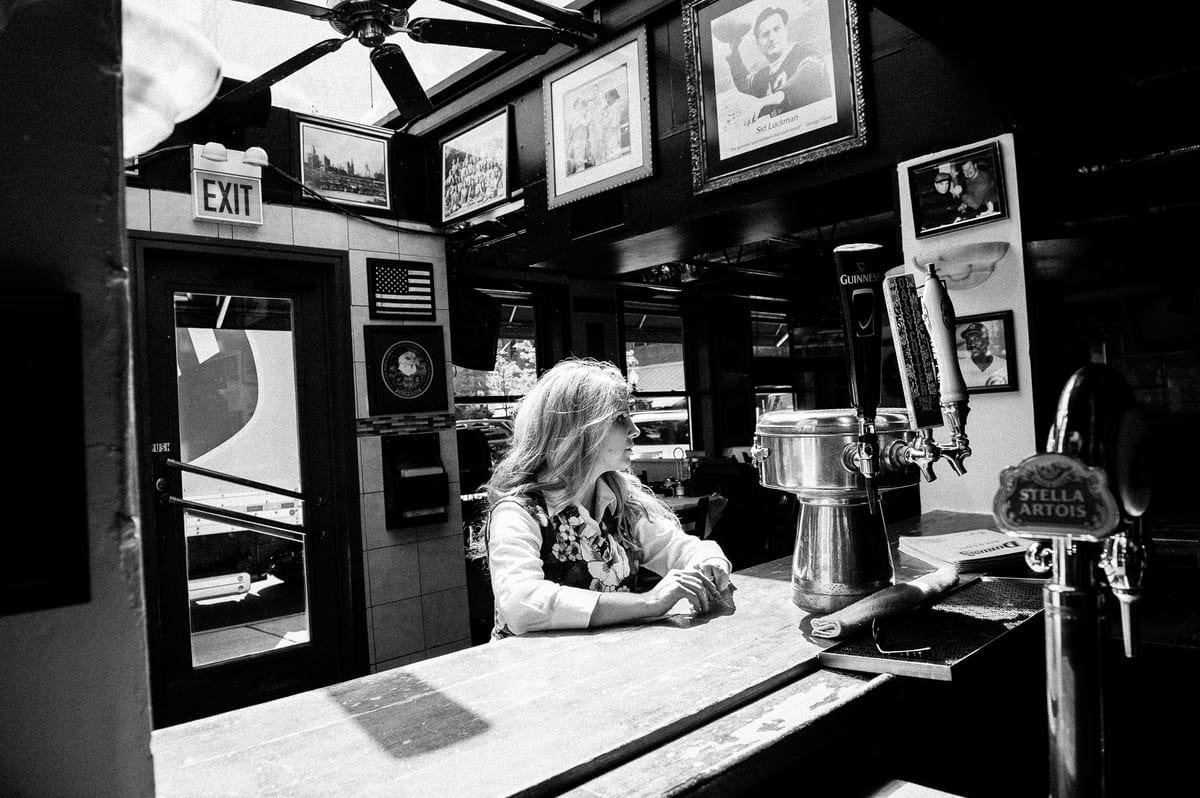
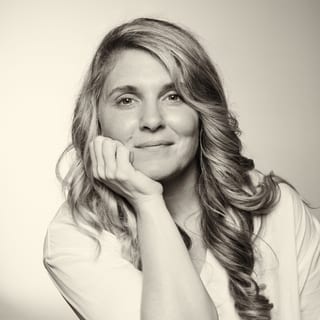
Amanda Deboer Bartlett
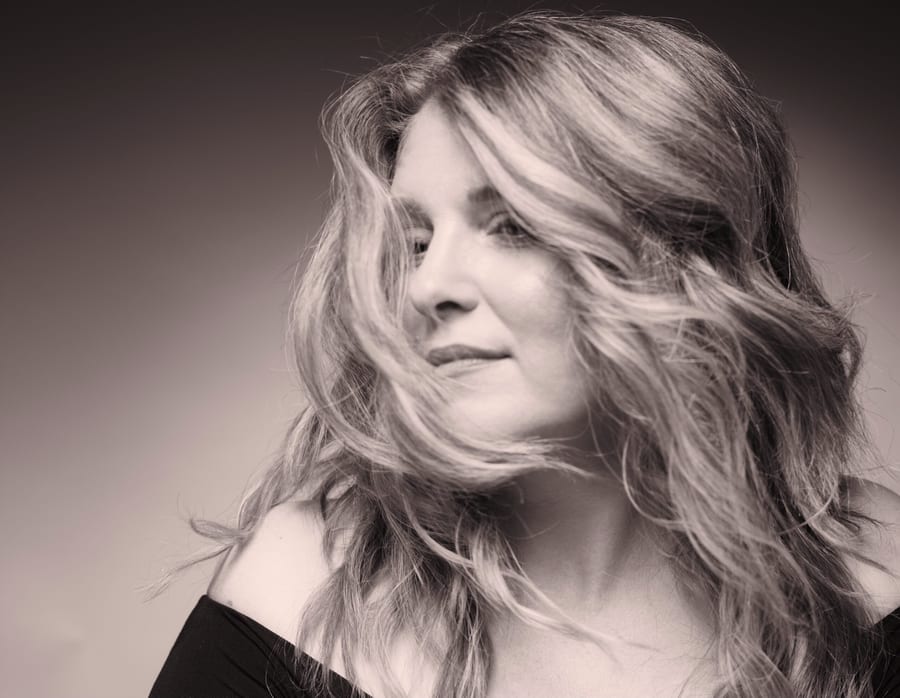
Amanda DeBoer Bartlett, DMA is a classical vocalist and singer-songwriter based in Chicago, IL. She is a founding member of Quince Ensemble, an all-women contemporary vocal group, and Hasco Duo, an experimental improvisation and songwriting project. She is also a member of and program curator for Ensemble Dal Niente, a Chicago-based chamber orchestra that commissions and performs the music of living composers.
All pieces by Amanda Deboer Bartlett →