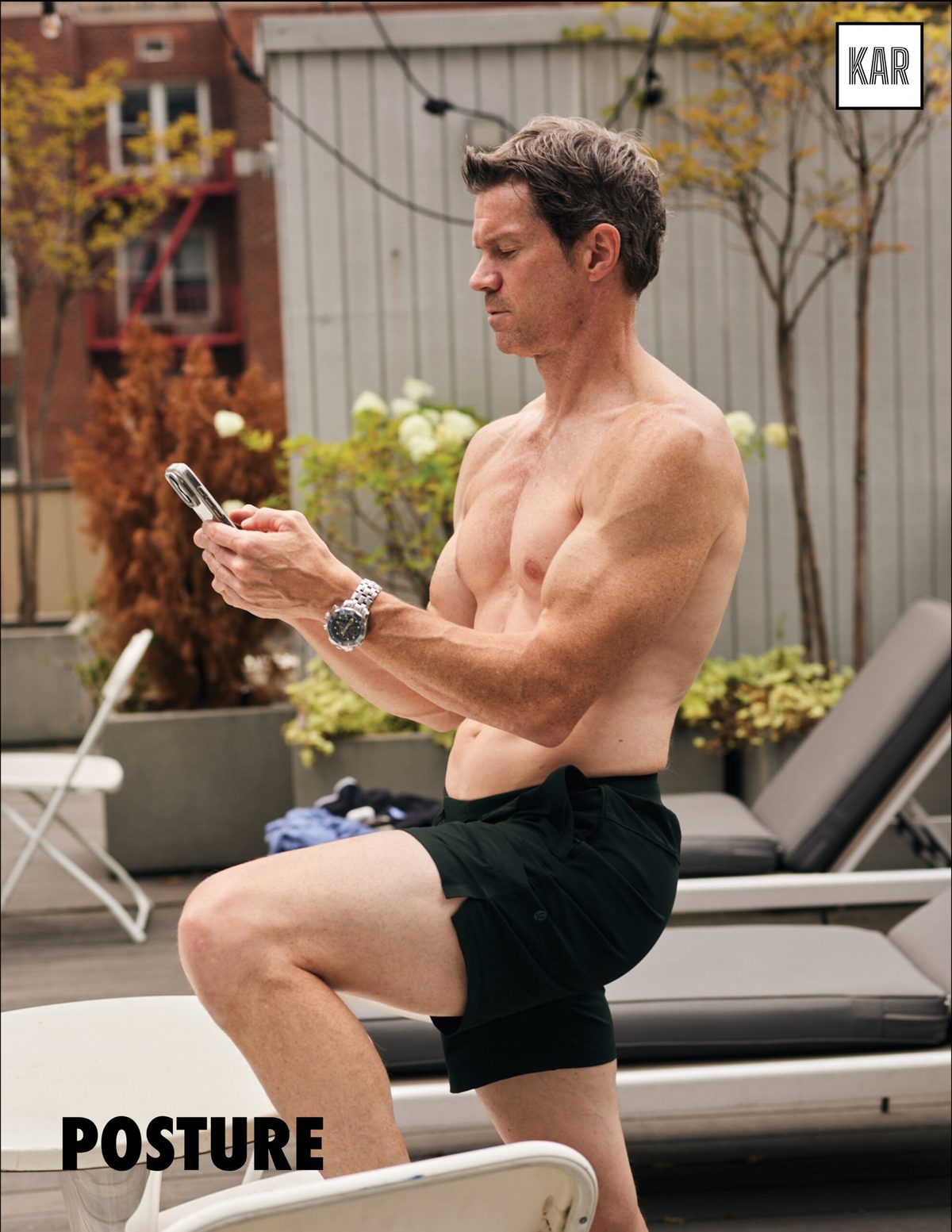
Posture
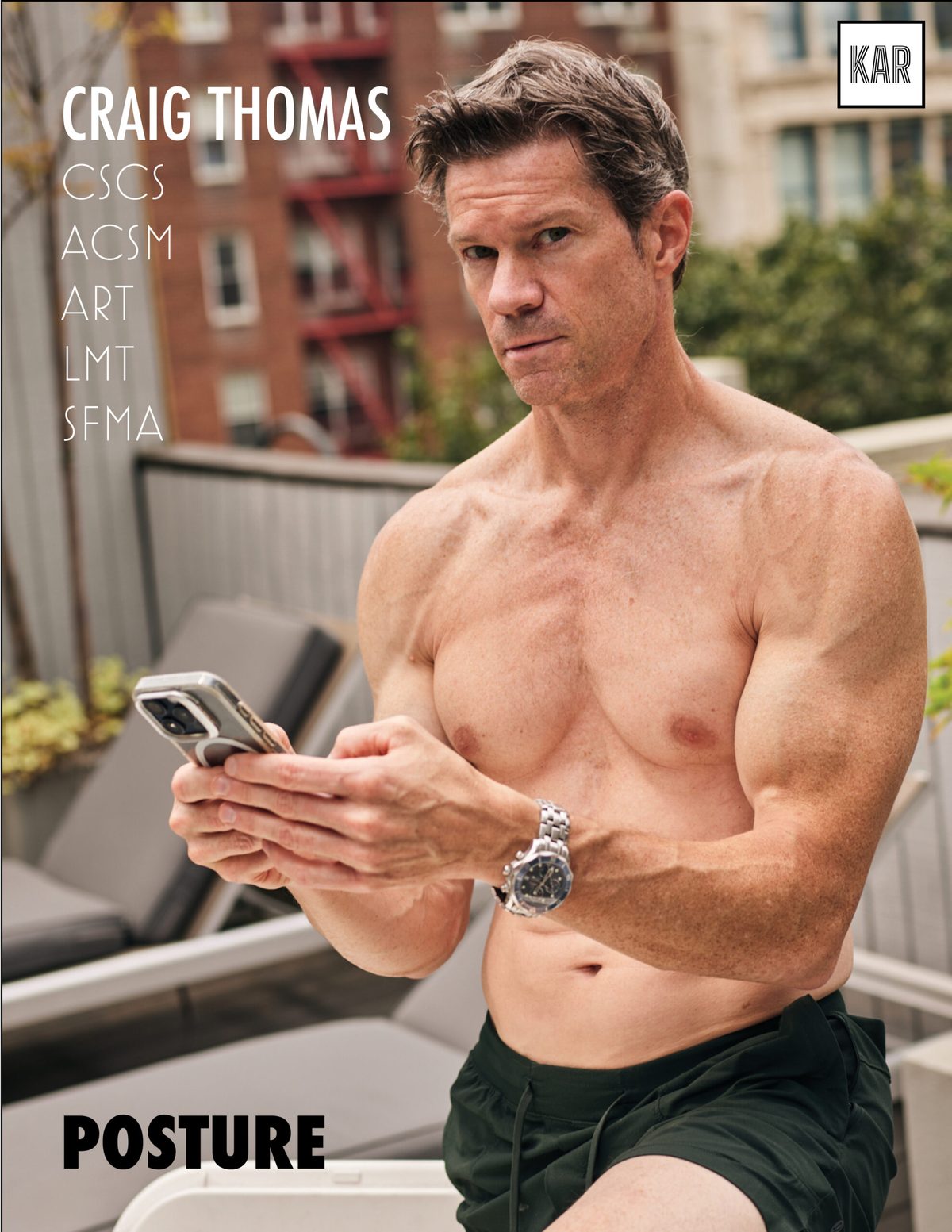
There once was an entire think tank within the fitness and physical therapy communities regarding proper posture. More than a few different course would pop up promising to get anyone into the absolute correct posture.
But not only aren’t there many—if any—courses or classes featuring this as the main topic, artificial intelligence within a Google search has even jumped on board to verify the consensus that there is no one perfect posture position (say that 5 times fast).
Let’s explore what got us in this predicament of poor positioning in the first place. There certainly are a myriad of bad postures out there and it doesn’t take a trained eye to often see who is a culprit.
Why do we develop poor posture?

Many of today’s comforts and technological advances have contributed to our bodies residing in positions that are the path of least resistance. And staying in that position. That leads to muscle imbalances and atrophying (weakening) of tonic (stabilizing) muscles needed to keep a skeletal frame tall and long.
This isn’t to say evolution isn’t correct about being lazy: our ancestors were all about conserving energy and actually carrying body fat in case of the next famine (or lack of killed animal that we could forage from).

And that should still be the case somewhat today. However, our ancestors had it rough and lived in comparable physically challenging times. Nearly all of the daily chores didn’t have machines (or other people) to do the work for us. Needless to say, they got their steps in.
Now that it’s been verified there isn’t one perfect posture, that isn’t to say there aren’t a host of more preferred and body-friendly positions to reside in. How do we find them and what practices can lead us to a more robust, pain free and happier chassis to live in?
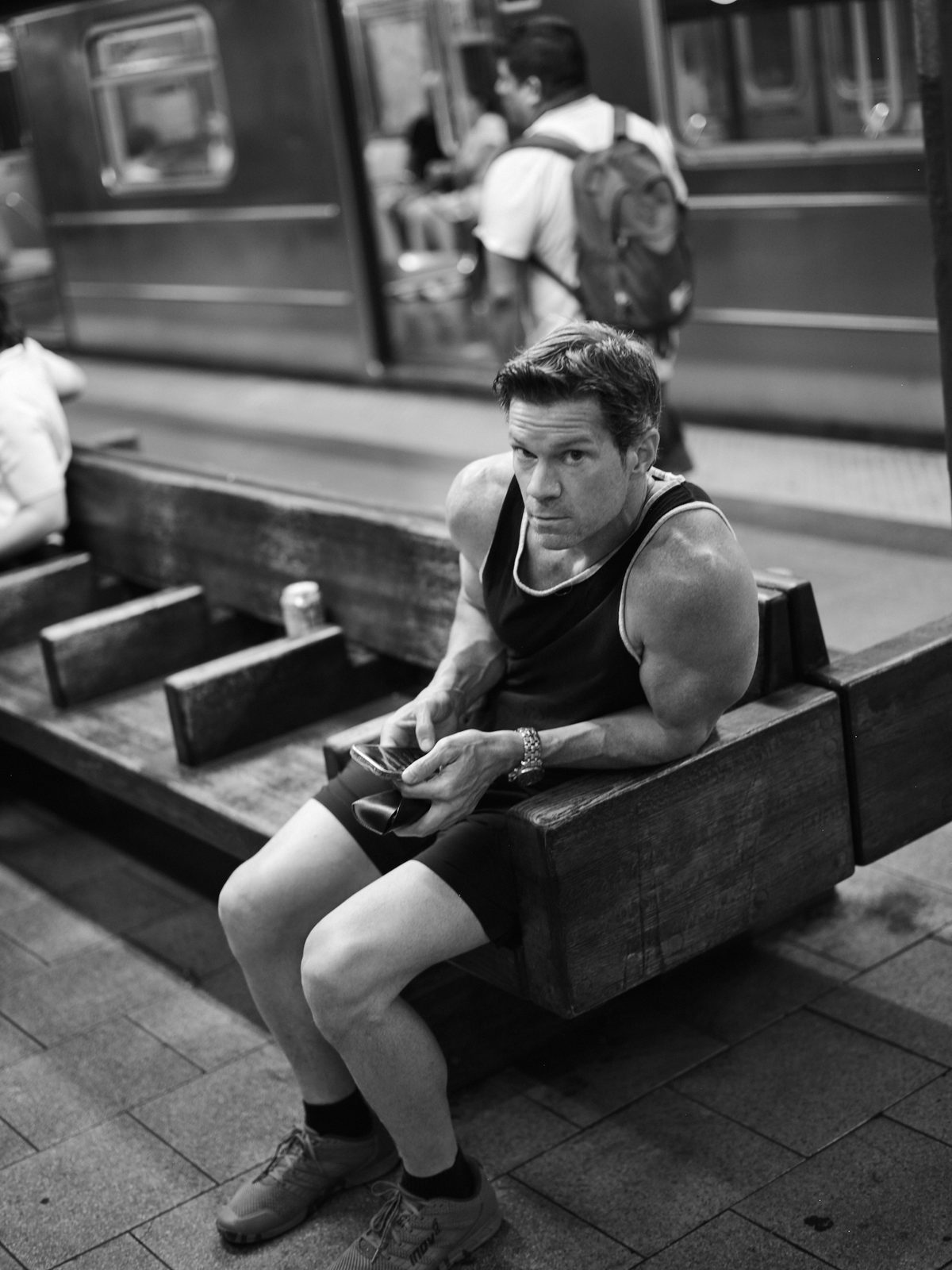

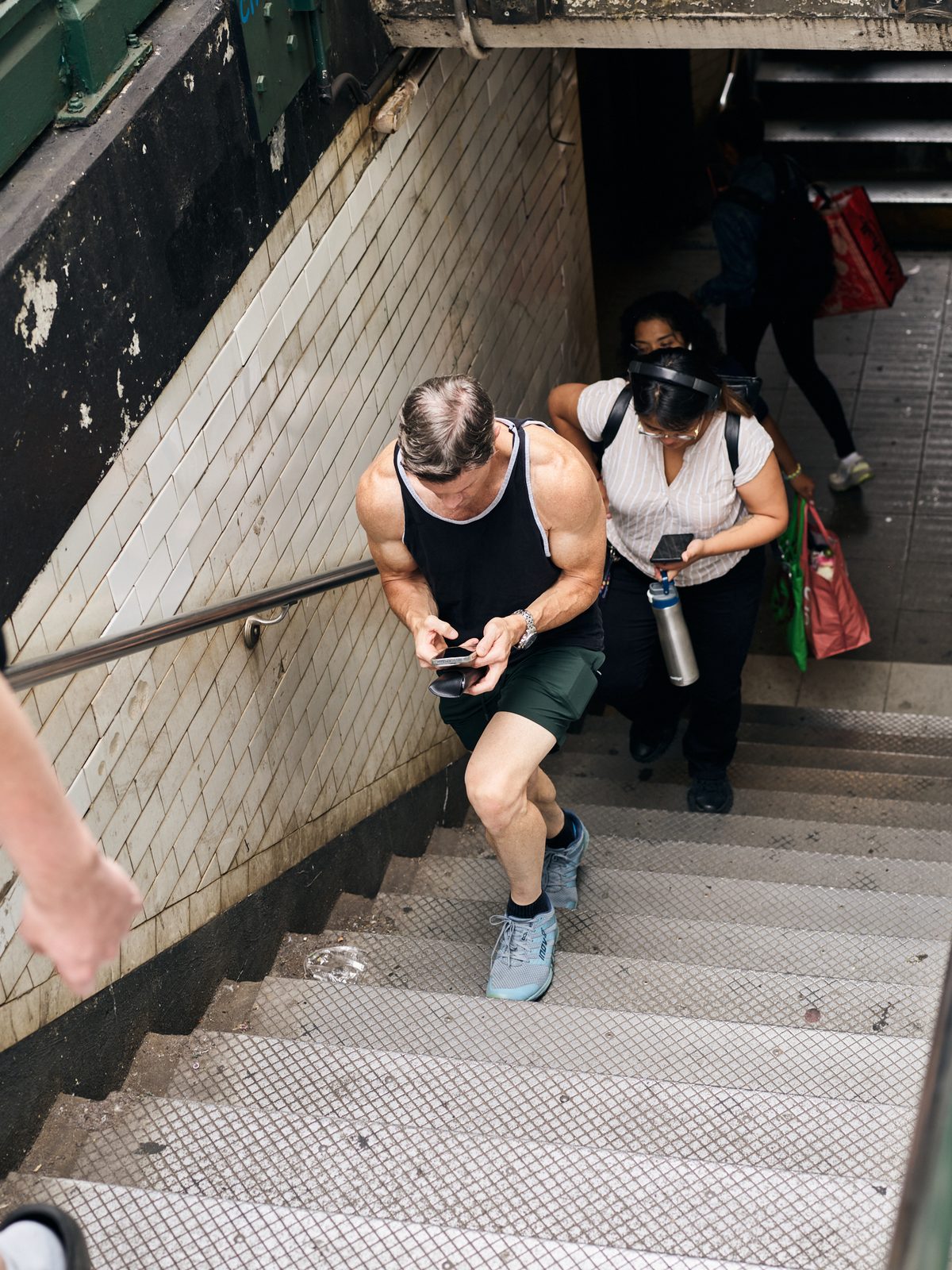
Movement capacity has really been the leading factor to establishing an ability to get in and out of different positions and thus a better overall posture. Improving joint range of motion will allow more body control and can also create greater body awareness. Certainly abdominal musculature and mid thorax stabilizers will help to support spinal stability thereby reducing the pressure on back muscles.

One of the most underlying components and overlooked aspects of an overall good posture is breathing capacity and breathing mechanics. Proper diaphragmatic breathing is necessary for optimal posture positions.
But good diaphragmatic breathing is multi-faceted. An ability to exhale fully and completely will make the diaphragm rise like a hot air balloon. This will expand the rib cage and inhibit many of the back muscles and allow for more movement in the back muscles and spine as they are not busy holding still to maintain stability.
Nasal breathing will allow the posterior attachments of the diaphragm to expand and further inhibit the back muscles and spine. Nasal breathing will also expand the lateral rib cage and take pressure off intercostal muscles and the serratus anterior (the primary muscle that moves the shoulder and arm forward away from the body). Taking pressure off all these back and side muscles allows them to move more, thereby creating more overall movement in the thorax.

Pauses between exhales and inhales can further stabilize the pelvic floor and lumbar spine. Inhaling will actually relax and lengthen the pelvic floor while a trained and skilled exhale will help to strengthen the base of the pelvis and protect the lower back.
As much as breathing is a huge factor, isometric, end-range-of-motion stretching can greatly enhance postural capabilities. Specifically, the hip joint, cervical spine (neck), thoracic spine (mid back), lumbar spine (low back) and ankle joints are the primary sites for improved posture.
90 second-to-2-minute holds—with a moderate intensity—within these joints communicates with the central nervous system to tell the joint to bypass the normal stretch reflex. The result is a stronger neural drive (better control), blood flow, cellular adaptation (to understand the new demands) and stronger and more connective tissue to handle a higher demand on that joint.
In short, the more you do isometric holds under a moderate to strong intensity, the more load and abuse that joint can sustain in deeper positions. Not only will improved breathing mechanics coupled with targeted isometric stretching improve posture, it will also mitigate injury. And avoiding injuries is what we all want for as long as we can.
Healthy and injury-free bodies with longer and more austere postures: that’s a winning strategy.

Craig Thomas
Craig Thomas cut his teeth as a New York City based strength coach and has continued to train clients for over 26 years. While working out of the most exclusive and well-renown gyms across the City, Craig has gained knowledge and experience under the most revered fitness coaches in the country. He has worked with actors, directors, CEO’s, art gallery owners and doctors in addition to grandmas. While he still maintains a base of clients in person, Craig coaches in an online platform that guides and nurtures clients through successful physical and life transformations.
All pieces by Craig Thomas →