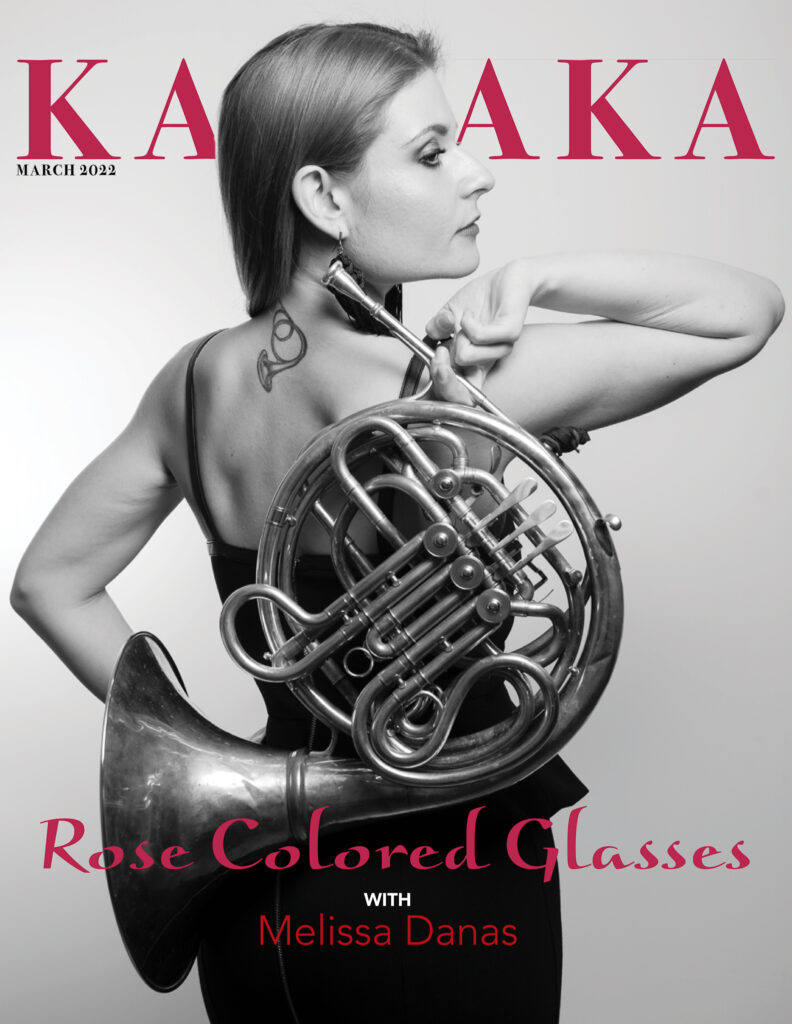
Rose Colored Glasses
One Musician’s quest to aspire to be more than her circumstances, and pursue beauty through art, only to be confronted by the ugly truth.
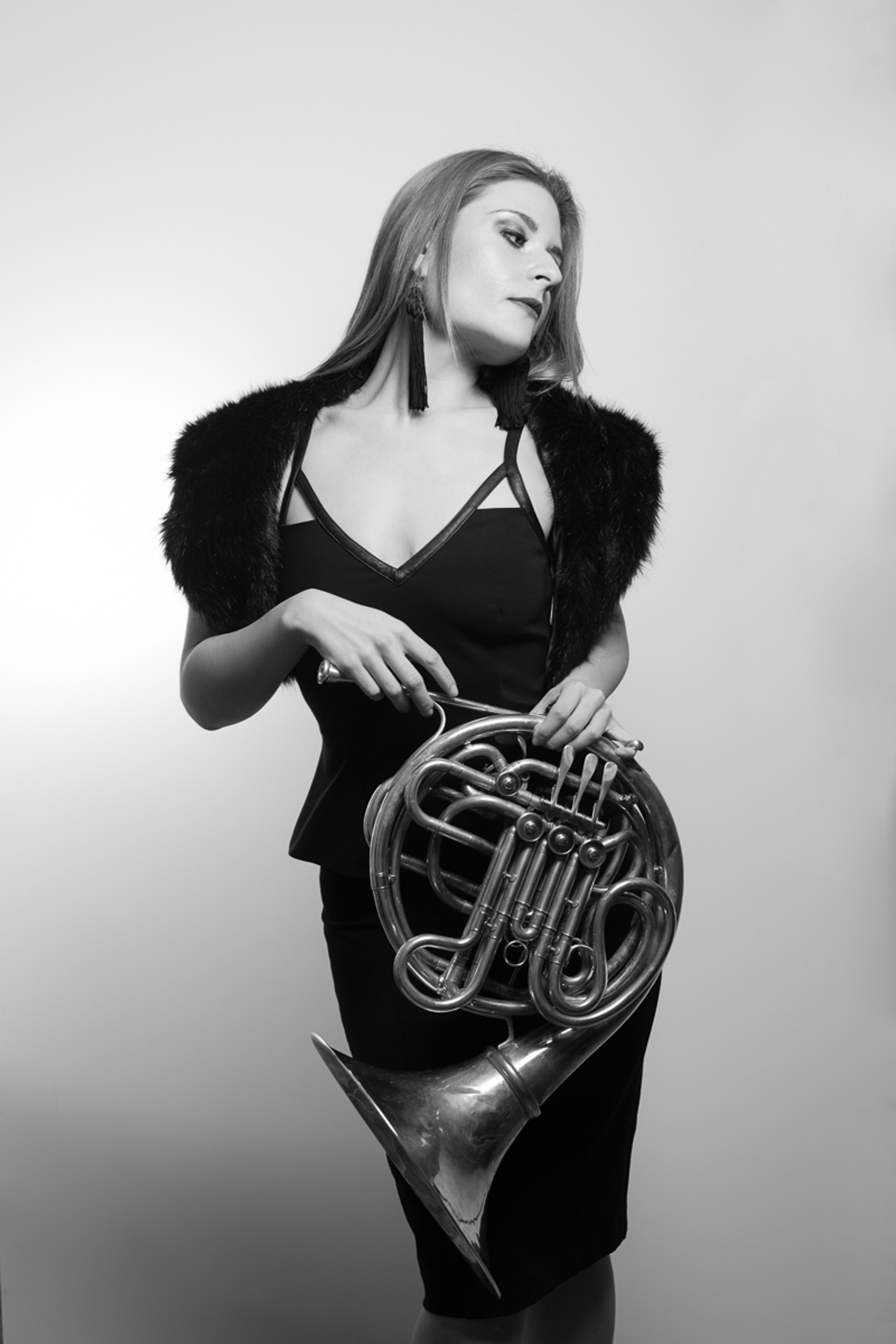
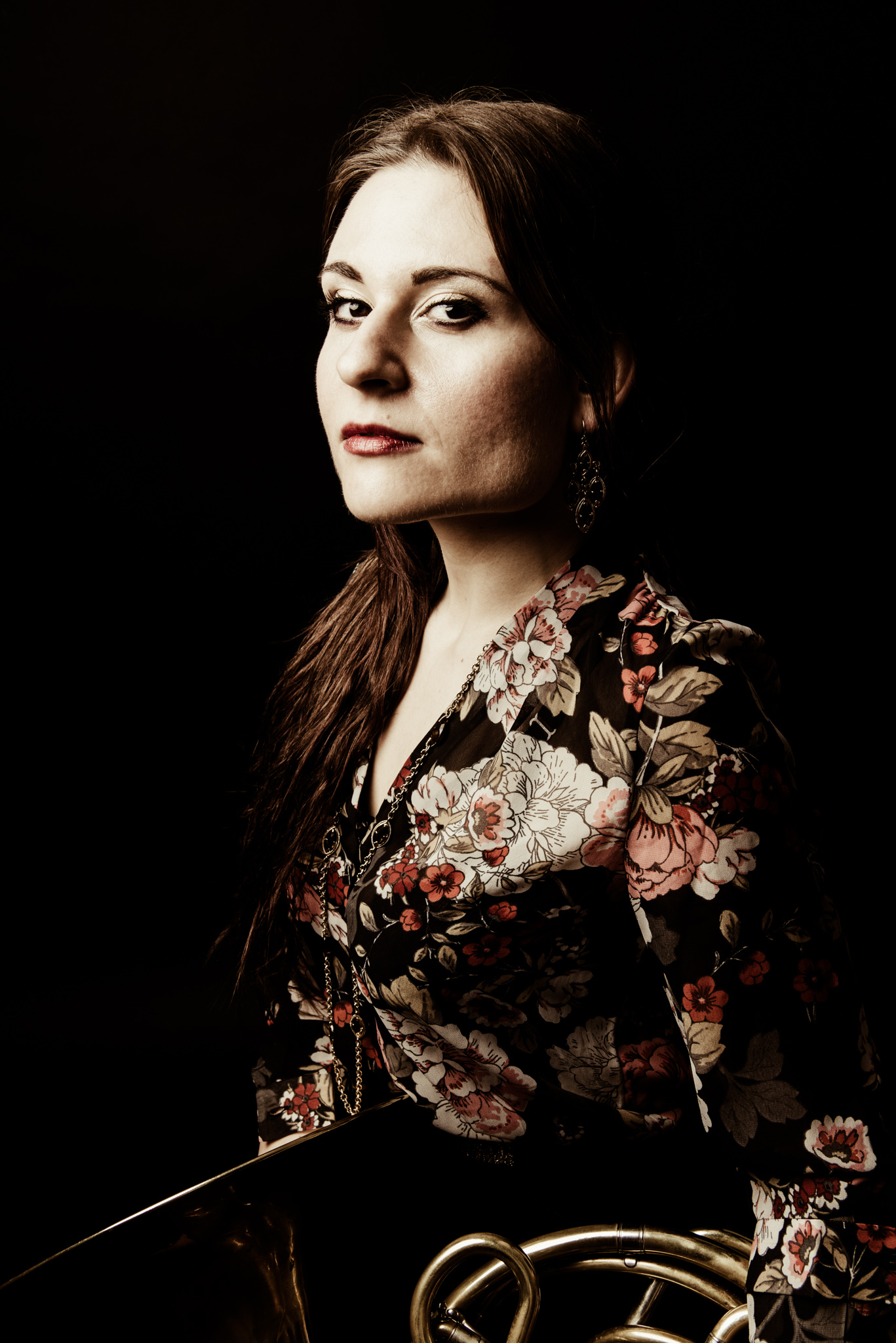
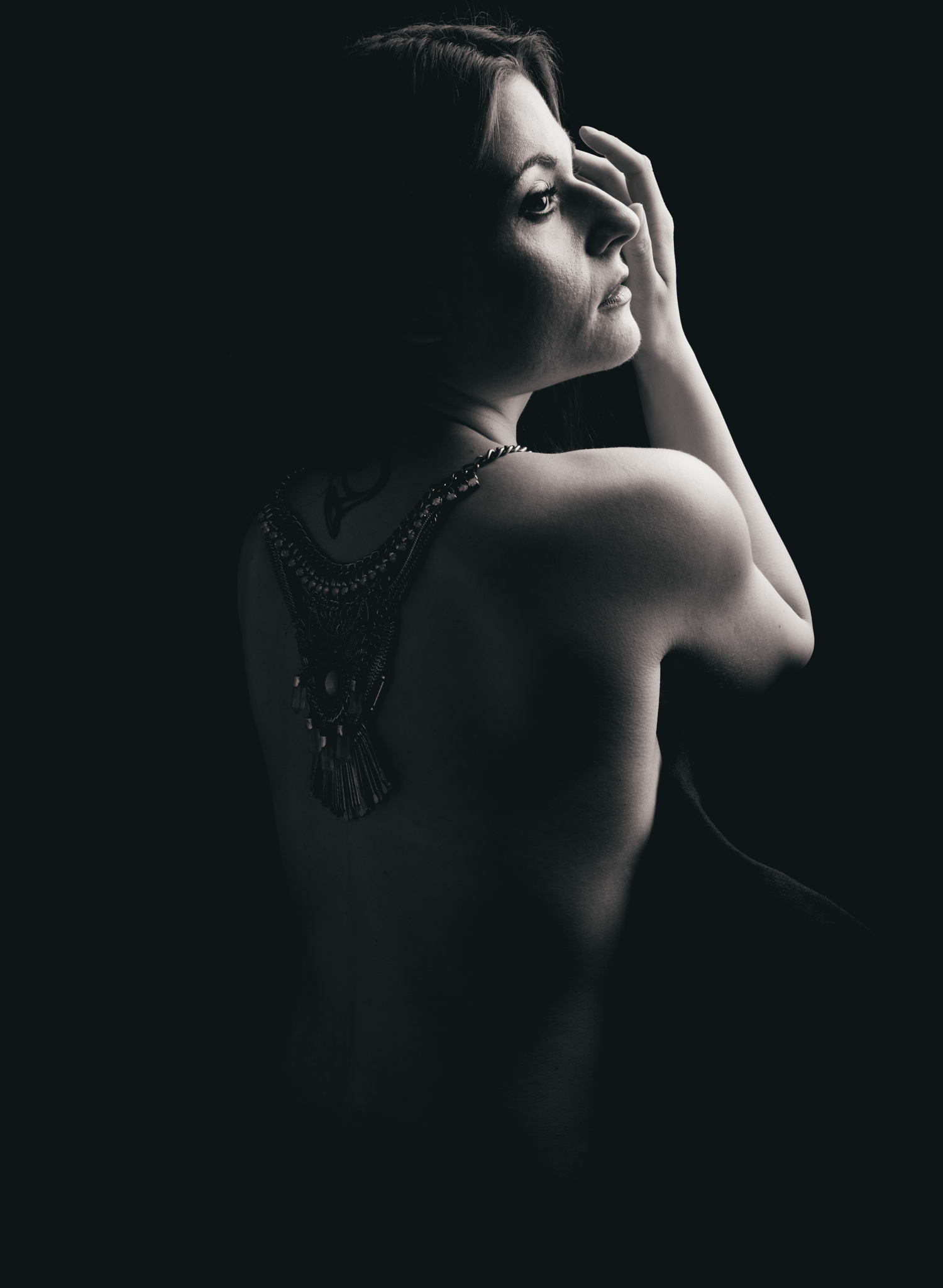
I don’t come from a family of musicians; I come from a family of serious abuse. Trauma changes the shape of the brain, but music does too, and the latter gave me a bit of solace and a path out of what I was suffering through. I found the horn by accident, but it gave me a voice for the ambiguous “this” that sat between me and myself, though I was never really excellent at it until much later in life. In my formative years, most of my bandwidth was depleted by a struggle to survive, and honing one’s craft requires a certain degree of resources and safety that I just didn’t have at my disposal. I was desperately trying to make it through to an eventual freedom that I never really knew was coming, but somehow I believed I would get to if I stuck it out. That has always been my biggest experience with faith.
As I was slowly able to receive a more formal education, initially I portrayed the characteristic deference to the (male) “masters” that everyone else does. I fell in line with the same practices of hero worship, allowing myself to be blindly woven amongst the threads of racism, sexism, and classism that bind the tapestry of classical music so strongly. In a way, the entire institution is not much different than a cult built on trauma pedagogy. I didn’t wake up about these issues for a long time. When abusive or otherwise inappropriate behavior is so normalized in one’s life, it is difficult to notice when something is off.
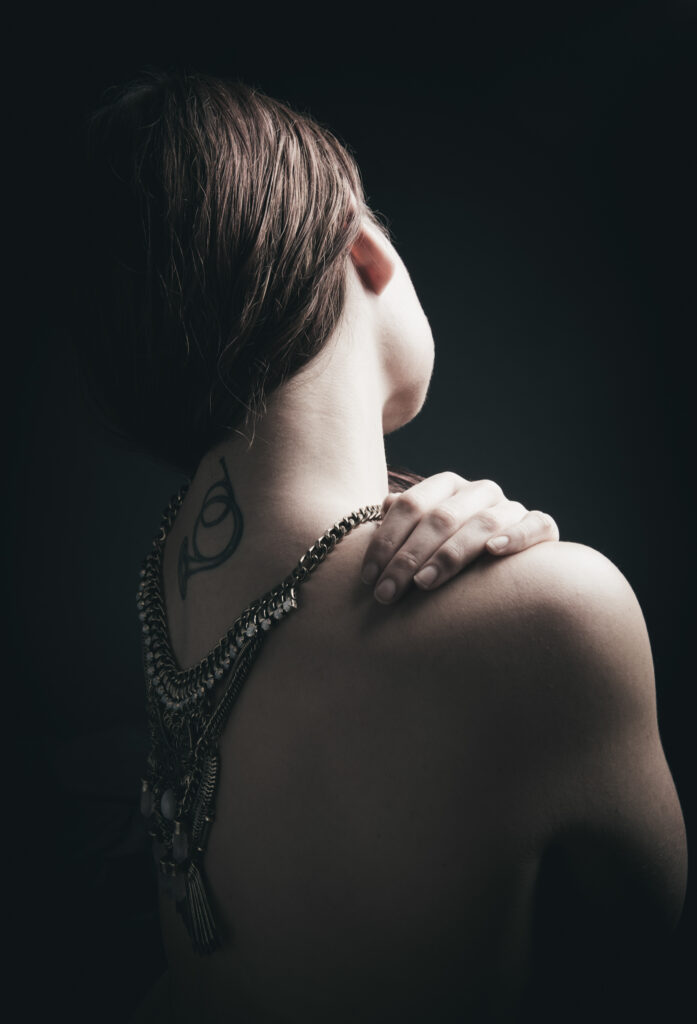
I first came to Vienna in August of 2017, having won a Fulbright to study the Viennese horn with the Vienna Philharmonic horn section. This city is most famous for its musical prowess, strongly seconded by the sexism and nationalism so prevalent in its orchestras. As much as I was well-acquainted with its reputation and had braced myself for impact, I was completely unprepared for what I would actually face. I naively thought that I had some sort of winning combination of dreams, discipline, ambition, and agency that would grant me immunity to the stereotypes. Everything I suffered felt like it was converging on a singular, meaningful breakthrough—the thrilling transgressions of geography, gender, and class…But in reality, I had scaled the scala naturae and won one of the most prestigious awards in the world just to be told in my first lesson: “It’s a good time for you, a lot of the Philharmoniker guys are looking for wives.”
I’ve experienced a lot of sexism in my life, but that was the first time that I was utterly dismissed and reduced to the supposed limitations of my gender to such an extreme. It only escalated from there. It didn’t matter how well I played or that I had won a spot to be there. No one warned me that I would still be trespassing if I had the audacity to mistake myself for a fellow colleague and not a guest who was briefly passing through. Five years later, I’m still here, having been awarded an artist visa for my professional orchestra engagements in spite of the hostile reception of a female foreigner in what is still very much a man’s world.
Navigating this environment and negotiating my position in it had a deep impact on my identity as a person and an artist. I wouldn’t trade out the hardships for the world, the same way I would never wish to erase the trauma of my childhood. Persisting through both gave me the resilience that has served me so well all these years. That being said, I cannot help but question who I am, or who I would be if I did not have to carry the weight of what has been burned into my neural network. I have never truly felt a definitive identity, because so much of who I am has been reactionary or a coping mechanism established to deal with what I was forced to endure. This absence of a fully knowable self has been a wound that has caused me a lot of pain, but one that has also spurred me on to self-discovery and creative success. The only secure identity I have ever found has been in my art—it is both who and what I am.
My artistic identity involves a curious conception of self, as something existing prior to and apart from the social conditions that produced it. The ways I was raised and educated, the languages I learned, the abuse I suffered: all these factors created and constricted my identity. I doubt that at the end of my pursuit towards knowing myself, I will emerge as a singular being, having achieved some sort of brilliance by being hard-minded and unsparing, because I don’t think that this process ever truly comes to an end. I prefer to see this process (and my whole life, really) as a kind of palimpsest, to work on by constant amendment and adjustment. It’s simultaneously inspiring and exhausting, but art is not a resting on the given, it is a striving toward what might otherwise be.
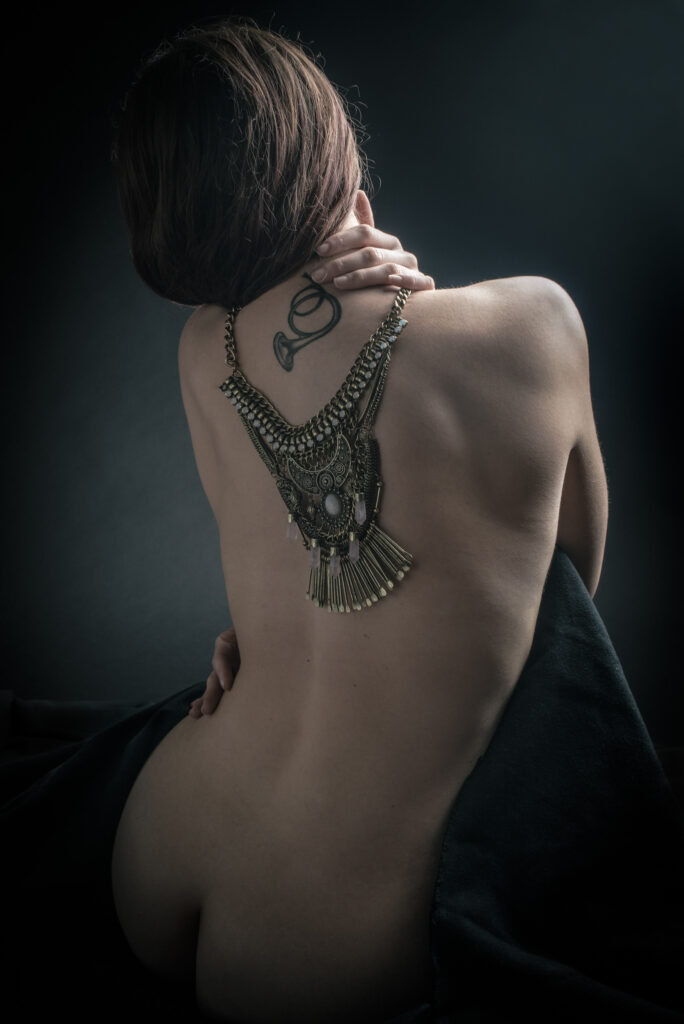
With this in mind, I have metaphorically turned my back on the institution of classical music, and will turn back to face it with my own ideas, uncompromising. I know I am stronger as an artist because I now have a stronger connection with myself. Yet, this stronger self is precisely what the better percentage of my male colleagues can’t tolerate. Perhaps I am disingenuous for denouncing people or ideas I once praised, but change is important. Change is not an accident or a twist of fate but something that is achieved, deliberately. I will not shed the past like dead skin, instead I will sift through it, discarding old ideas and salvaging what I think can be used. I will treat classical music like the fossil that it is: something to recover, to preserve, to study. I haven’t changed my mind about music’s purpose so much as I have begun to see it more clearly. Undaunted, I am pursuing new paths, yet finding myself in the familiar situation of not knowing where I will end up. But I have faith that something good awaits me.