What We Make Possible When We Come Together
I grew up the youngest of 5 sisters, where the table always seemed to stretch for one more, and where a free school lunch taught me early how closely access and dignity are tied. This essay follows that thread through motherhood, leadership and the conversations I’ve had with people doing quiet, essential work in their communities. What I’ve come to believe is simple: no one does meaningful work alone, and the real measure of community is whether our care reaches people we may never meet. “Gather for Good” is not a slogan to me so much as a habit of paying attention.
There are certain lessons we learn long before we have the language to explain them. For me, one of those lessons was about what it means to care for one another.
I grew up with a Mexican American Mother, one of five daughters, in a home where culture was community, and community was not an abstract idea. It was simply how life worked. Food was shared. People showed up. Someone always seemed to be making room for one more person at the table. You did not need an invitation to help, and you did not keep a record of what you had given.
As a child, I also understood that not everyone experienced the same sense of abundance or belonging. I participated in the free school lunch program, and I remember the small ways a child could be made aware that she was receiving something different. At that age, I could not have explained the complicated relationship between access and dignity. I only knew how it felt.
Those experiences stayed with me. Years later, they would shape the way I thought about family, leadership, business and our responsibility to people we may never meet.
The Communities That Raise Us
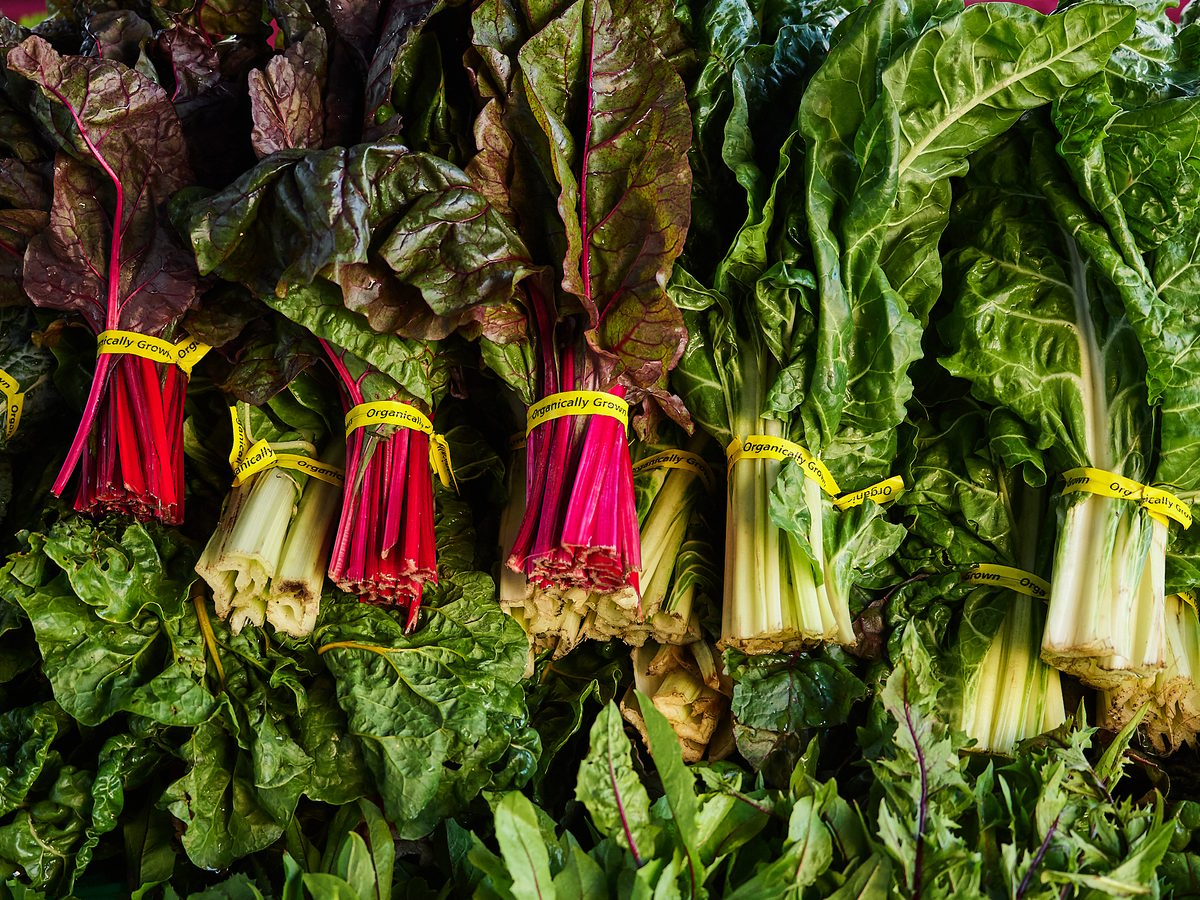
When we talk about community today, the word can feel almost too large. We use it to describe neighborhoods, customers, organizations and entire movements. But I think community begins much smaller. It begins when someone notices.
Someone notices that a neighbor needs a meal. That a colleague is struggling. That a young person needs encouragement. That someone has entered a room and is wondering whether there is a place for them there. There is tremendous humanity in simply paying attention.
I have carried that belief throughout my professional life, especially in my work as CEO at Dr. Hauschka Skin Care USA. I have been fortunate to lead a company whose values ask us to consider not only what we make, but how we make it, who is involved and what our choices leave behind.
Over time, I began thinking about what it might look like to extend that philosophy beyond the products we create. That question became part of the foundation for The Giving Garden®.
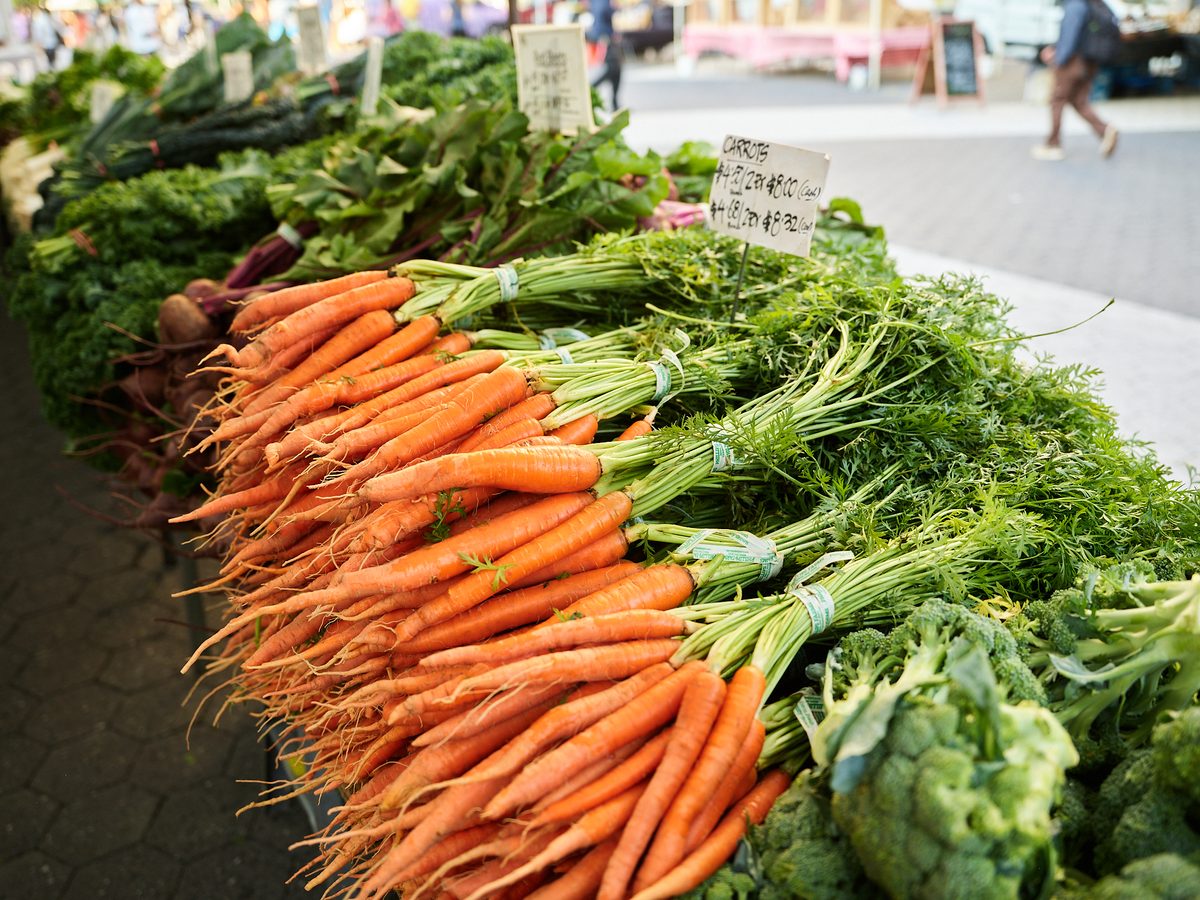
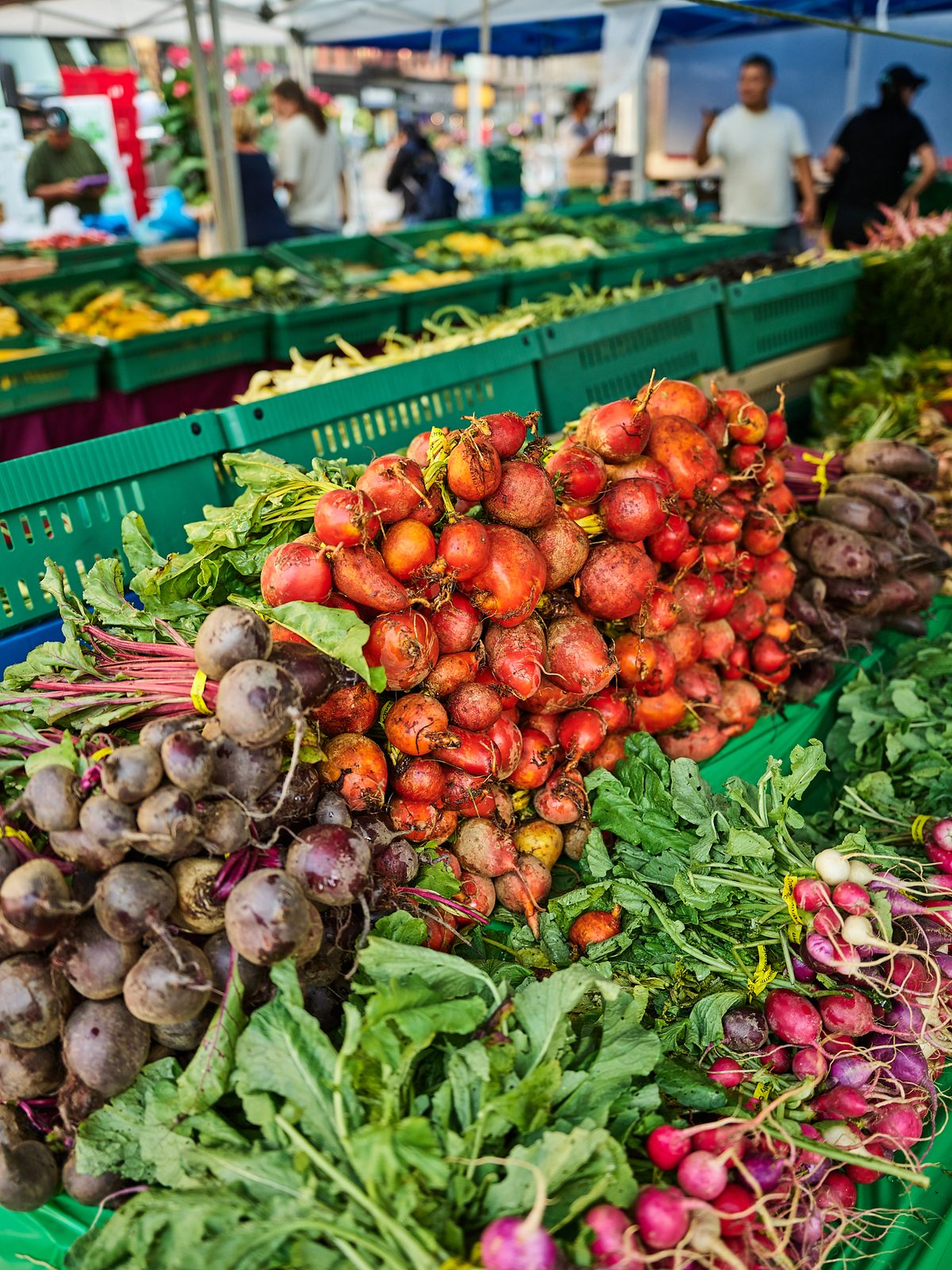
What began with a focus on helping increase access to fresh, healthy food has grown into something broader, supporting organizations working in food access, youth development, wellness, mentorship and community building.
But the numbers have never been the part that moves me most. It is the people.
It is meeting someone who has devoted a career to feeding families with dignity. It is hearing from a leader creating opportunities for young people who have been underestimated. It is seeing volunteers arrive early, stay late and do work for which no one will ever applaud them. These experiences have changed my understanding of leadership.
Leadership is often associated with being at the front. Increasingly, I believe some of the most important leadership happens beside someone else. Sometimes leadership is simply asking, “I see what you are doing. How can I help?”
The First Community We Know
Long before any of us belong to companies, organizations or professional networks, most of us encounter some version of community through family; where many of our earliest ideas about generosity are formed.
As one of five daughters, I learned early that life is rarely about one person. There was always another personality to consider, another voice in the room, another person’s needs alongside your own. It could be loud. It could be imperfect. It could be complicated. And it was formative.
Now, as a mother, I think differently about what we pass from one generation to the next.
We often think about inheritance in terms of what we can leave behind. I find myself more interested in what we model while we are here.
Do our children see us making room for people? Do they see us sharing what we have? Do they hear us speak about people who are struggling with compassion rather than judgment? Do they understand that success does not diminish when it is shared?
Some of the moments I value most have nothing to do with traditional milestones. They are the moments when I recognize kindness, curiosity or generosity reflected back at me through my son or through younger people I have had the opportunity to know and mentor. Because family, at its best, teaches us that our lives are interconnected.
Eventually, we have the opportunity to become that someone for another person. Perhaps that is why gathering around a table has always carried such meaning for me. A table brings us to the same level. Titles become less important. People pass things to one another. Stories emerge. Someone laughs too loudly. Someone stays longer than expected.
Through something as ordinary as sitting together, distance begins to disappear. We remember that before we are executives, employees, customers, activists, experts or strangers, we are people.
The Wider Circle The challenge is carrying that same instinct beyond the people we know.
It is relatively easy to care about someone whose face we recognize. The harder question is whether we can extend that care to someone whose life looks nothing like ours.
We are living in a time when powerful forces encourage us to divide ourselves into smaller and smaller groups. We are asked to choose sides quickly, form opinions immediately and reduce complicated human beings to categories. Yet my experiences have convinced me that proximity changes things. When you sit across from someone and hear their story, certainty often gives way to curiosity.
Through The Giving Garden® Podcast, I have had the opportunity to speak with people whose work touches very different corners of our society. They work with families experiencing food insecurity, young people searching for possibility, women building communities and organizations creating places of belonging.
Again and again, I hear a similar truth. No one does meaningful work alone. A food bank needs farmers, donors, volunteers and advocates. A young person needs mentors, teachers, family members and people willing to believe in a future they may not yet see for themselves. A neighborhood needs people willing to participate in it.
And our planet requires something similar from us.
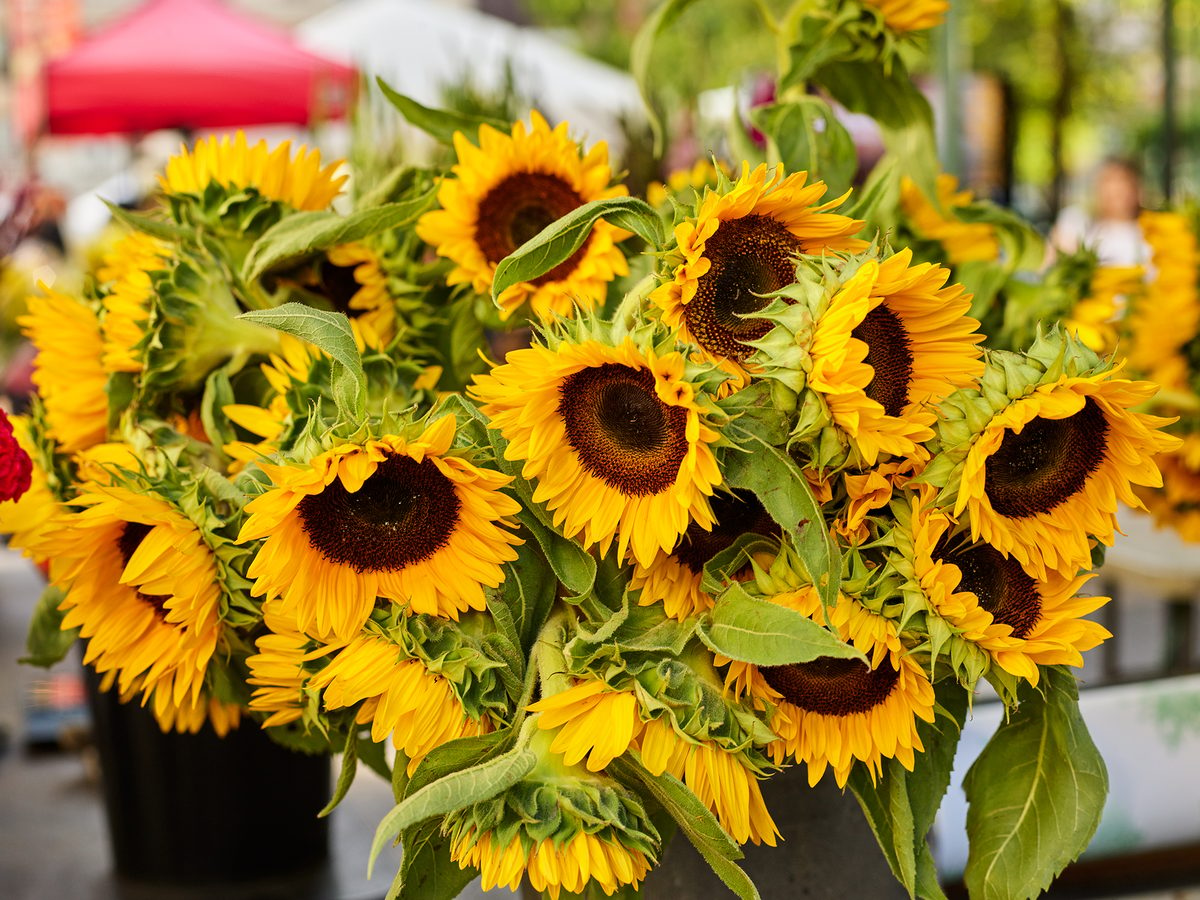
My work with Dr. Hauschka Skin Care USA has given me the privilege of seeing what happens when people think in generations rather than quarters. The plants we rely upon cannot be rushed simply because a deadline is approaching. Soil cannot continually give without being replenished. Relationships with growers and partners become stronger through consistency, fairness and trust. Nature makes interdependence impossible to ignore.
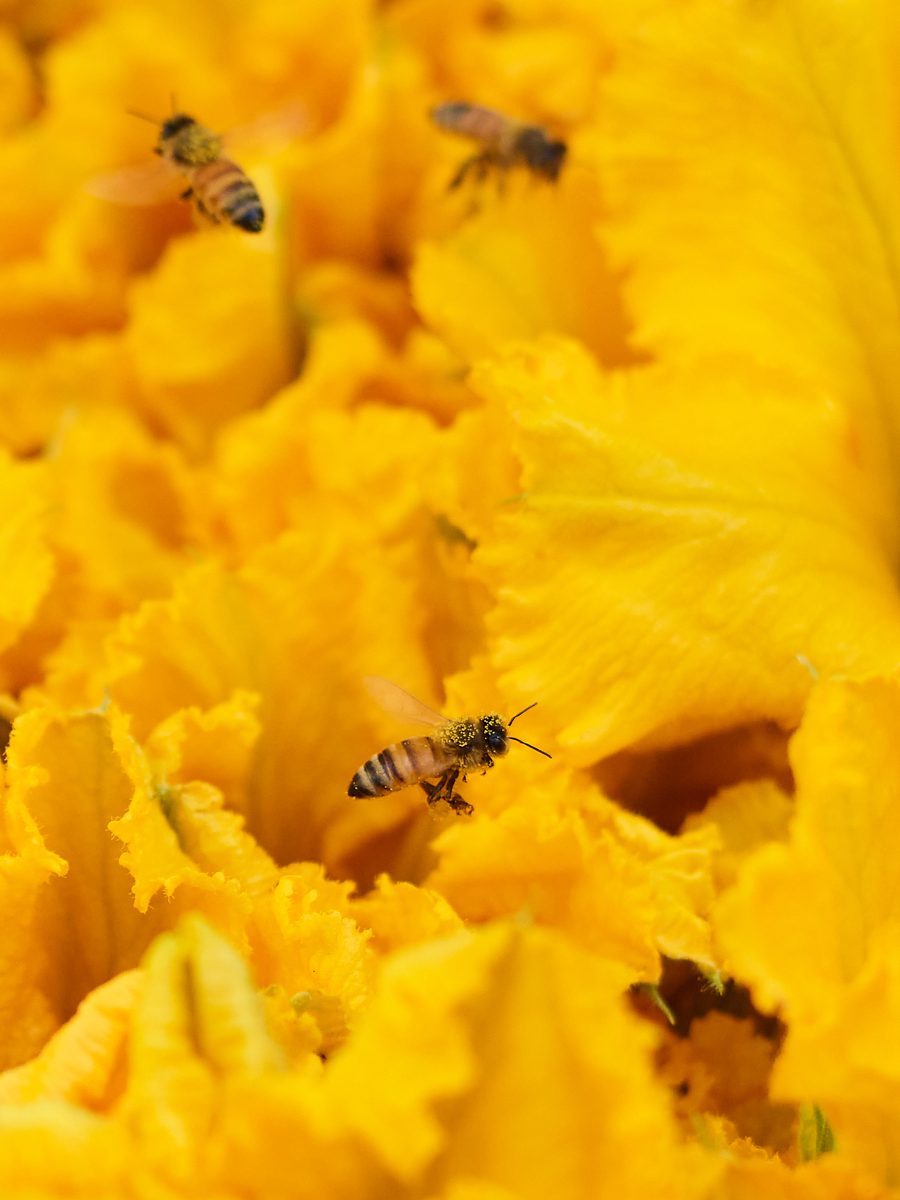
A garden is perhaps one of the clearest examples. Healthy soil supports the plant. The plant feeds the pollinator. The pollinator helps create what comes next. What falls away eventually becomes nourishment for something new. The health of the whole depends on the health of its relationships.
I sometimes wonder what would happen if we approached the world with the same understanding. What if the question were not simply, “What can I achieve?” What if we also asked, “What can my presence make possible for someone else?”
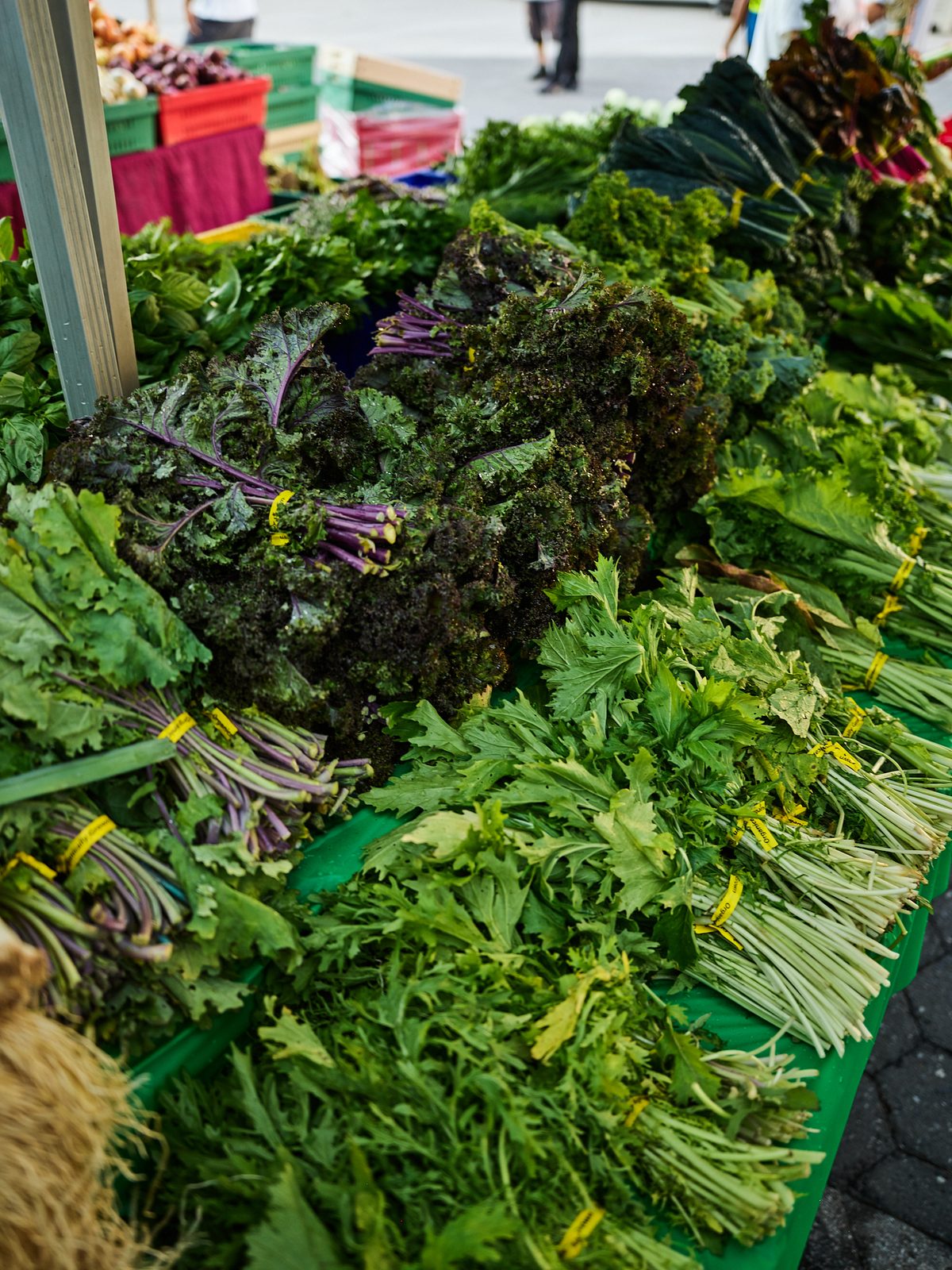
A Place for One More When I look back, I can see a thread connecting experiences that once seemed unrelated.
The little girl who understood the difference a school lunch could make. The daughter learning that there was always room to share. The mother thinking about what values truly endure. The business leader discovering that commerce can be a vehicle for care. The woman sitting across from community leaders and hearing that lasting change is rarely the work of a single person. They have all taught me the same thing. We need one another.
And perhaps our greatest opportunity is not simply to gather, but to become more intentional about what happens when we do.
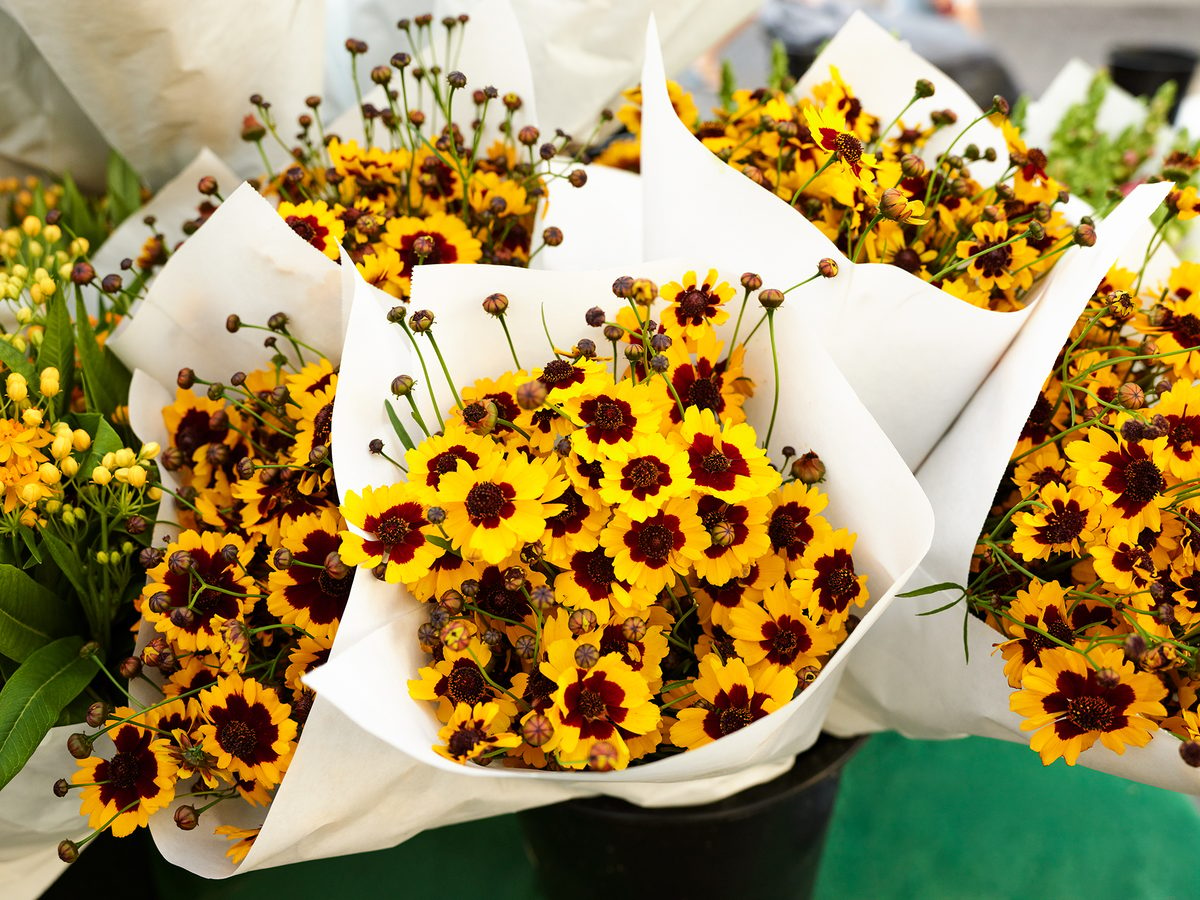
We can gather around our families and create places where people know they belong. We can gather within our communities and notice who has been left outside the circle. We can gather our resources, our influence, our voices and our time around problems too large for any one of us to solve. We can gather across differences without requiring sameness.
And we can gather with the understanding that goodness becomes more powerful when it moves outward.
This is what “Gather for Good” has come to mean to me. Not a campaign. Not a season. Not even a single act of generosity. It is a way of moving through the world. It is the belief that whenever people come together, something becomes possible that was not possible before.
A meal can become dignity. A conversation can become understanding. A purchase can become support. A garden can become nourishment. A relationship can become opportunity. And a group of people, each contributing what they can, can become a community capable of changing someone’s life.
We may not be able to solve every problem before us. But we can decide what happens in the spaces we occupy.
We can decide who is welcomed to the table.
We can decide what we share.
We can decide what we cultivate.
And, whenever possible, we can always make room for one more.
Martina Halloran
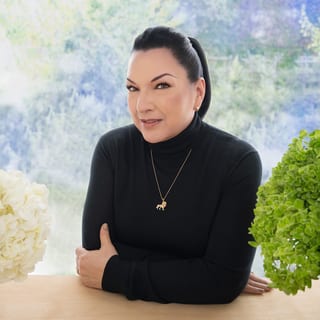
Martina Halloran is a visionary leader, seasoned business executive, and passionate advocate for food justice and wellness. As the CEO of Dr. Hauschka Skin Care USA, Martina has transformed the brand’s presence in the U.S. market by championing sustainable practices, transparency, and a deep commitment to customer care. She founded The Giving Garden® Loyalty program and hosts The Giving Garden® Podcast as a means to strengthen community impact and help close the food insecurity gap. Under her leadership, Dr. Hauschka has expanded its reach and reinforced its reputation as a leader in natural, holistic skincare. Join us in The Giving Garden®! Become a member at drhauschka.com Listen to our monthly conversations on The Giving Garden® Podcast, available on YouTube. Stay connected with our mission on instagram at @drhauschka.usa You can also follow Martina Halloran at @themartinahalloran
All pieces by Martina Halloran →