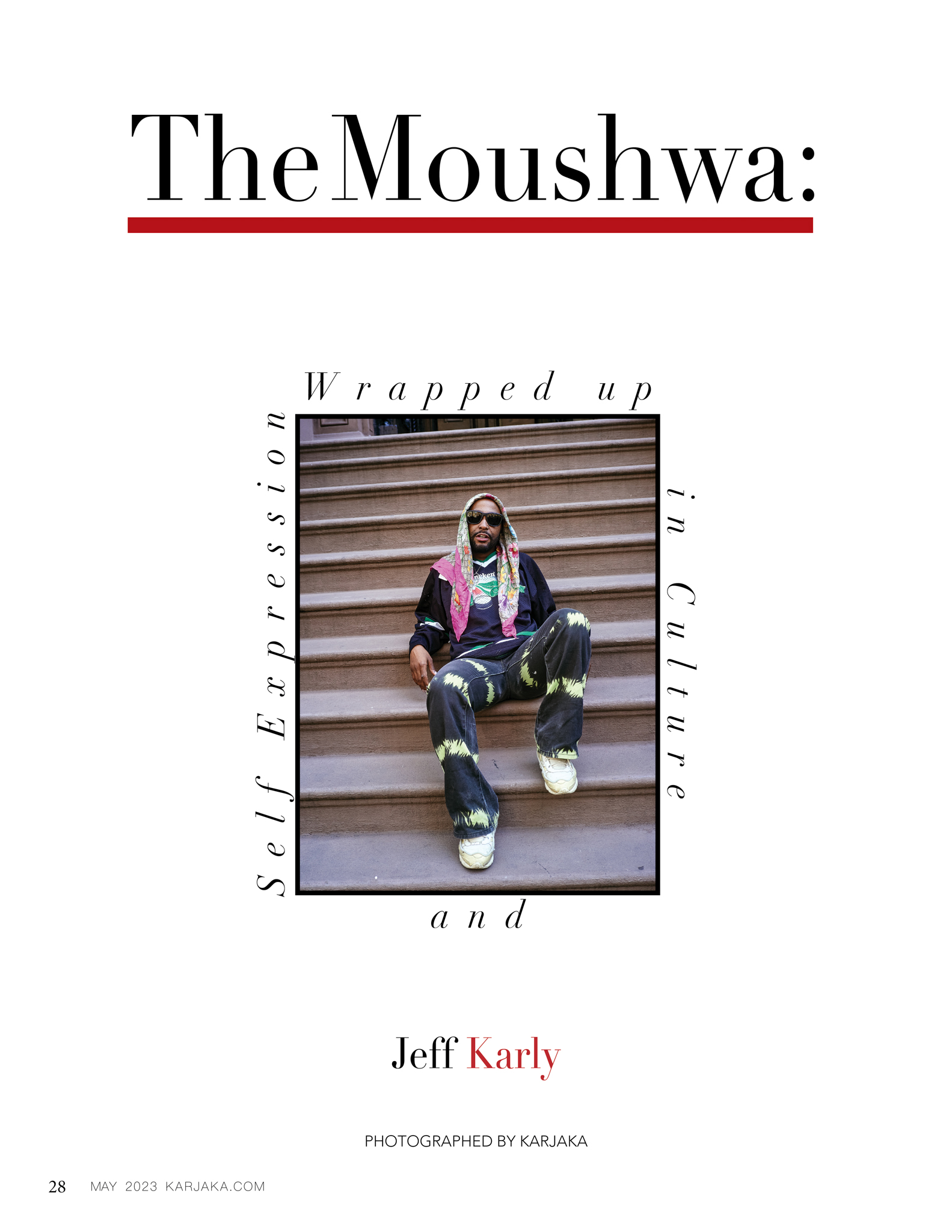
In the realm of group dynamics, the significance of a headscarf, Mouchwa, Dubi, un Pañuelo, or babushka can vary depending on the context and traditions in which it is worn. Different cultures and religions ascribe different meanings to the act of donning a headscarf. For some, it serves as a symbol of modesty, piety, and a distinctive expression of individuality. While for others, it can embody a sense of solidarity with a specific community or belief system. In the United States, particularly among diasporic communities, women often choose to wrap their heads with vibrant fabrics, paying homage to their cultural ancestry and simultaneously protesting societal expectations that confine them within narrow definitions of acceptable attire.
In a world that relentlessly champions conformity and assimilation, the decision to wear a headscarf assumes the mantle of defiance—a resolute stance against homogenization. It allows individuals to showcase their personal style and fashion choices, while remaining firmly rooted in their cultural and religious heritage. Wearing a headscarf is not just about personal expression and cultural heritage—it’s also a form of resistance against societal expectations. In a world that often dictates what is beautiful or acceptable, choosing to cover one’s head challenges those narrow standards. It’s a rejection of the idea that beauty is solely defined by revealing clothing or conforming to mainstream ideals. By donning this, individuals assert their autonomy over their appearance and defy the objectification of women’s bodies.
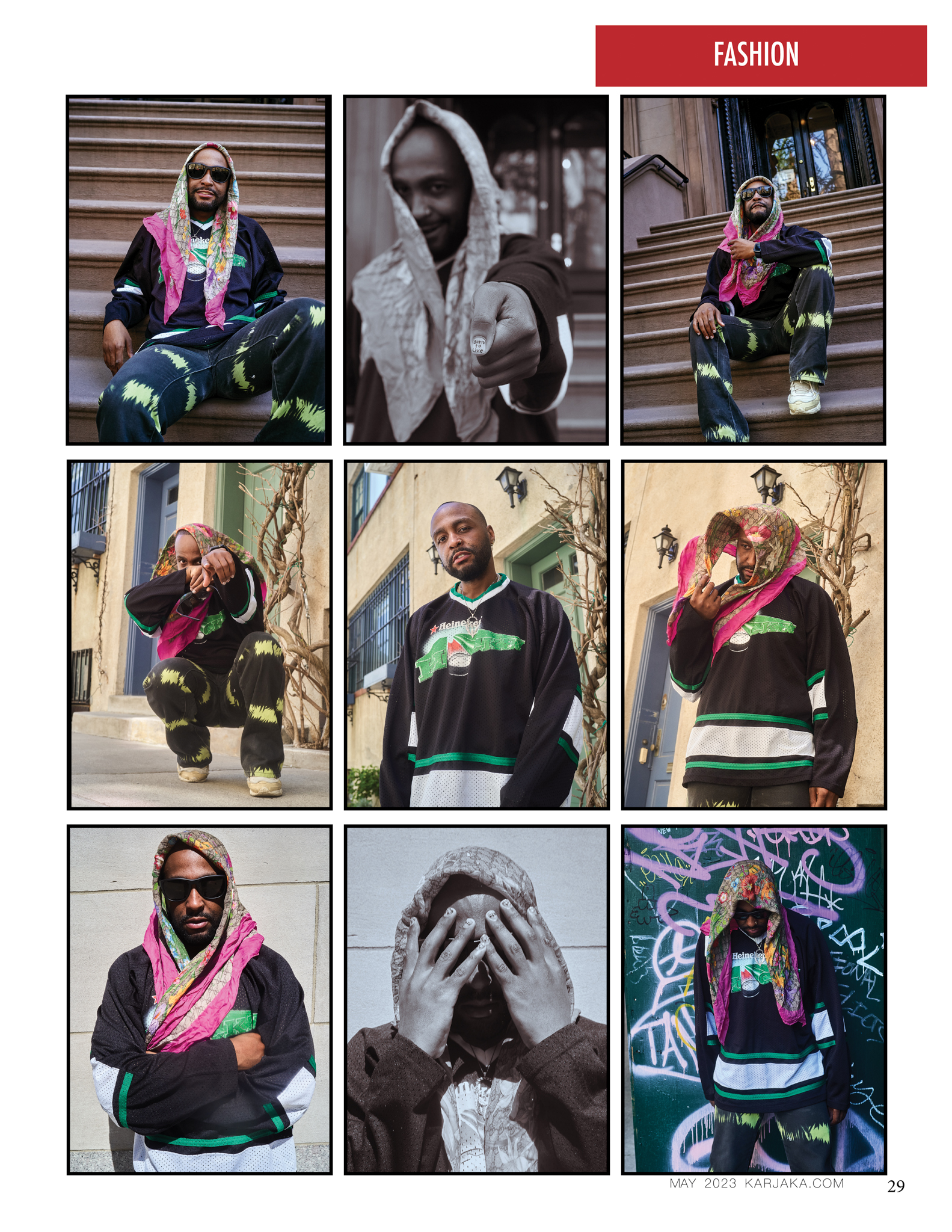
The headscarf holds a special place in the hearts of those who wear it, especially for men and women from diasporic communities. It’s not just a piece of cloth they put on their heads; it’s a way to honor their ancestors, keep their cherished traditions alive, and stay connected to their cultural identity in a world that can sometimes make them feel like outsiders. When they wear a headscarf, it’s like carrying a piece of their heritage with them—a reminder of where they come from, the values they hold dear, and the beautiful tapestry of their cultural background. It’s a tangible way for them to stay true to themselves and celebrate their roots.
In drawing these connections, I cannot help but think about the parallels between the headscarf and the bandanas donned by members of gang cultures—a shared act of defiance, a declaration of belonging, and an embodiment of distinct identities. In gang culture, the bandana becomes a symbol of unity, loyalty, and protection. It represents an unyielding bond with a particular group or neighborhood. Through the choice of color and style, gang members use bandanas to establish their presence and assert their individuality within their community. The connection between the headscarf and gang culture reminds me of the complexities of identity and the universality of the human need for self-expression and belonging. It highlights that the longing to be seen, heard, and respected is inherent in all of us, regardless of our backgrounds or the communities we align with.
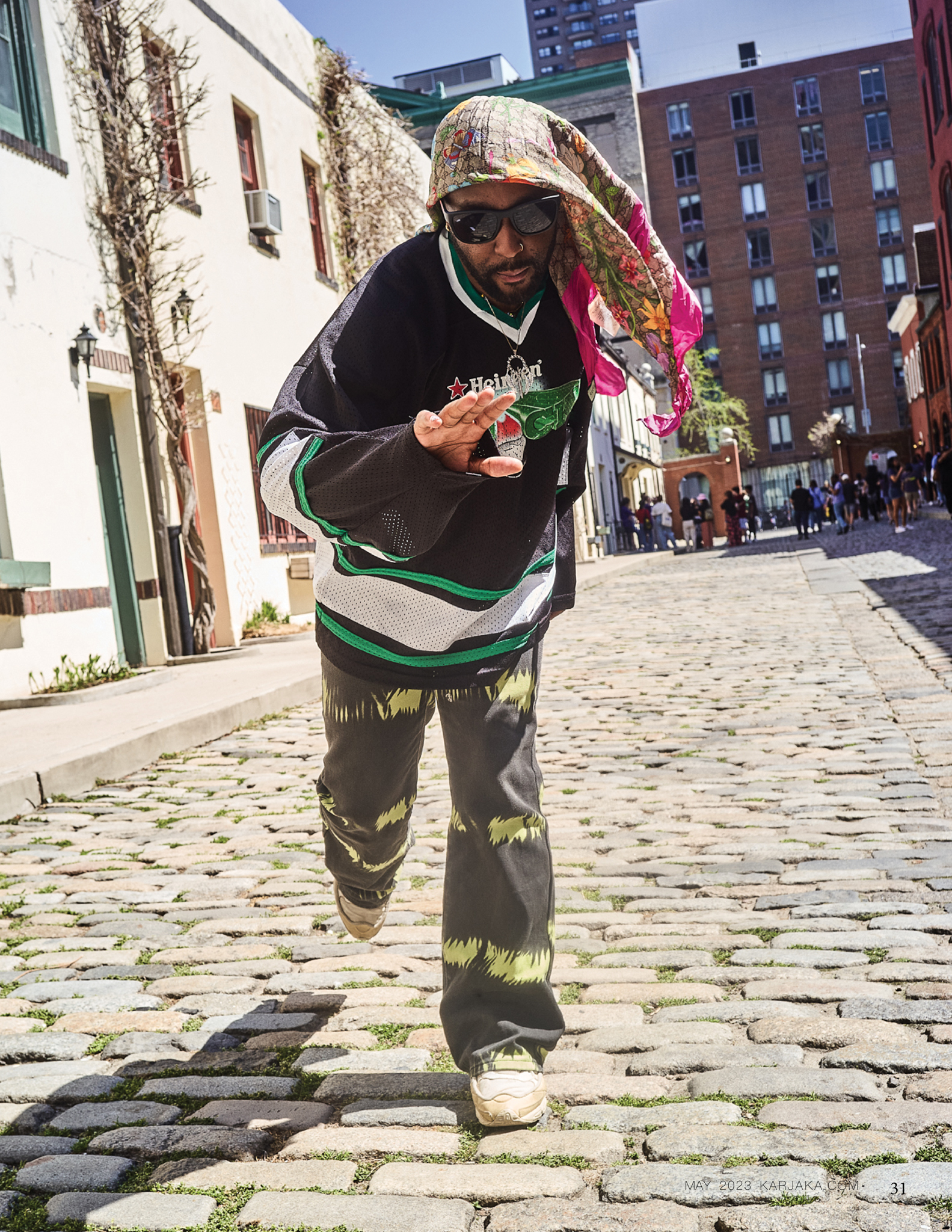
Ultimately, the headscarf emerges as a potent agent of empowerment, propelling individuals towards self-discovery, while simultaneously cultivating cultural diversity and dismantling societal norms. It constitutes a visible and tangible expression of identity, individuality, and cultural heritage—a bridge that connects the personal with the communal, enriching our collective human experience. At its core, the headscarf transcends mere fashion trends. It emerges as a testament to the importance of individuality and self-expression.
Jeff Karly Drouillard is a Haitian-American multifaceted creative with many talents that allow him to affect different spaces of fashion. As a Creative Director, he brings his unique perspective to his independent fashion brand Unique Expozzure, while also working with well-known brands such as Baron & Baron, Alice & Olivia, Coach, Zegna, and more. As an Educator holding two Master’s Degrees in Strategy Design and Fashion Management from Parsons School of Design, he shares his knowledge and passion with students in the BFA Fashion Design, MPS Fashion Management, and MFA Fashion Design and Society programs at Parsons and GCNYC. As a storyteller, Jeff is also a member of the Council of Fashion Designers of America, The Fashion Policy Council, and the co-founder of a mentorship program that focu- ses on access and the college admissions pipeline, which disproportionately affects students of color. His capstone work “I am creative too: An Intersectional Approach to Understanding the Cost of Racism in Fashion” was just a starting point. He has been featured in various publications such as WWD, CFDA’s Future Fashion Designer Showcase, Creatively, and Fashion United.