Wales Bonner and the Reconstruction of Luxury’s Visual Language
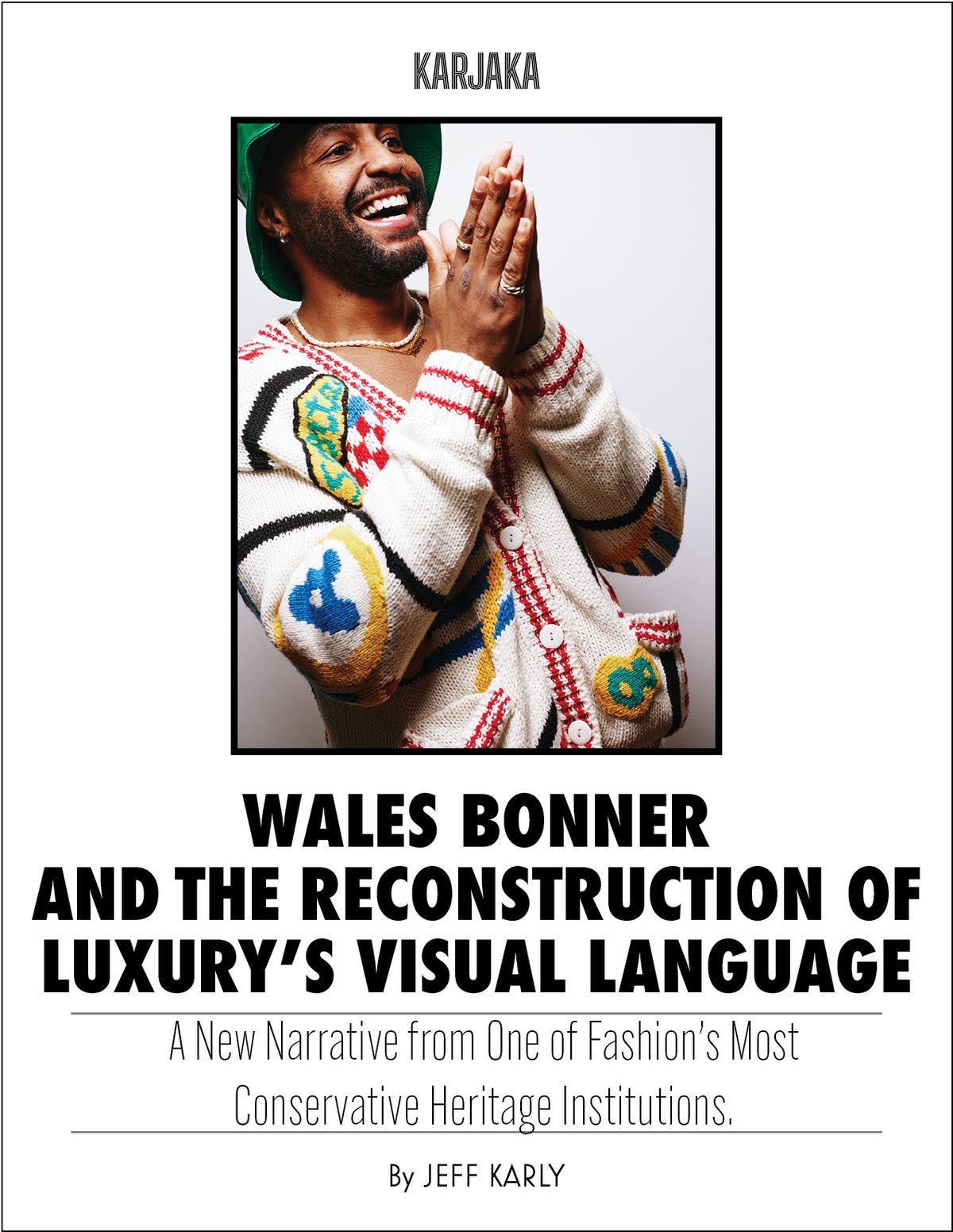
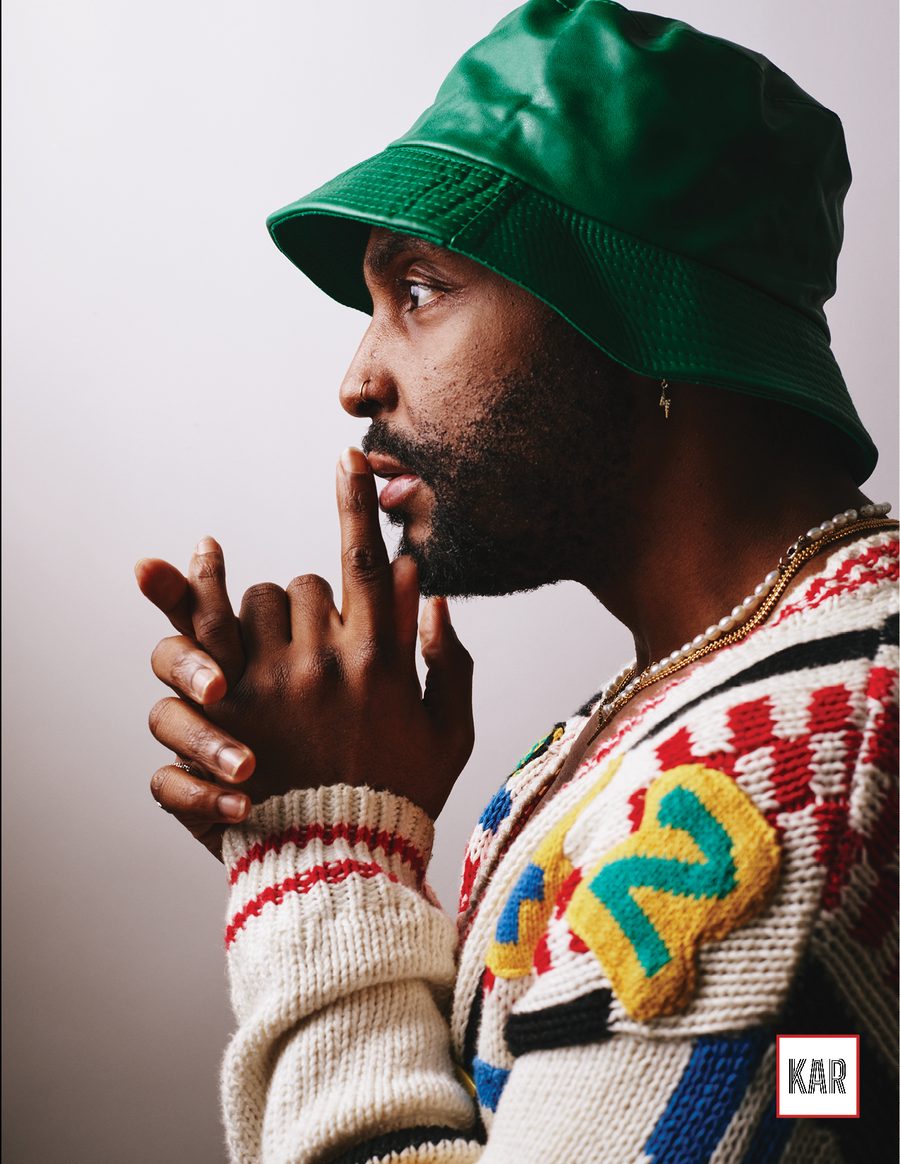
Grace Wales Bonner’s appointment as artistic director of Hermès menswear represents a fundamental philosophical reorientation of what luxury fashion can articulate. The truly radical dimension isn’t just about who she is, but about what she brings, an entirely different epistemological framework, one that treats fashion as a site of rigorous intellectual inquiry rather than a commercial spectacle.
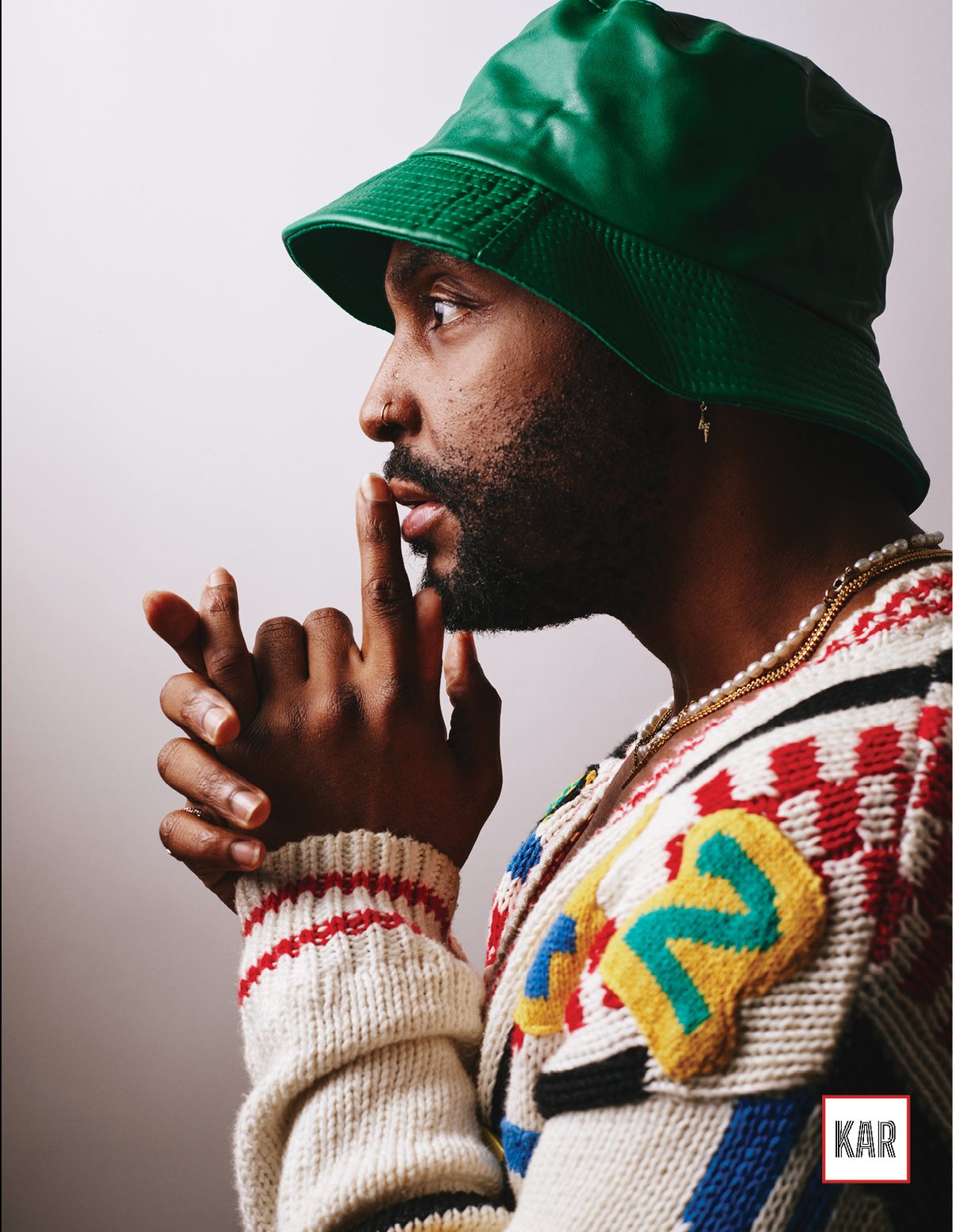
What makes this appointment significant is how it reframes the very concept of “heritage” at one of fashion’s most conservative institutions. Hermès has mastered the art of selling a particular kind of heritage, carefully preserving the traditions of saddle-making in silk scarves and leather goods. Wales Bonner offers something different: heritage as multiplicity, as the complex layering of influences that characterizes diasporic experience. Her work suggests that tradition isn’t a singular through-line but a chorus, and how luxury can be the vehicle for expressing these layered, sometimes contradictory cultural genealogies.
What makes Wales Bonner’s work particularly powerful is how it engages with the politics of visual representation itself. Scholar Herman Gray observed in his foundational essay “Black Masculinity and Visual Culture” that “self-representations of black masculinity in the United States are historically structured by and against dominant (and dominating) discourses of masculinity and race, specifically (whiteness)” (Gray 401). Wales Bonner’s entire practice operates within this tension; she creates visual representations of Black masculinity that refuse the binary of either conforming to or simply rejecting white European aesthetic codes. Instead, her work proposes a third space, one where figures like Miles Davis and James Baldwin become as central to the vocabulary of luxury as any French aristocrat.
Gray’s observation about jazz musicians is particularly resonant here. He notes that figures like Davis and Coltrane “enacted a black masculinity that not only challenged whiteness but exiled it to the (cultural) margins of blackness, i.e., in their hands blackness was a powerful symbol of the masculine” (Gray 401). This is precisely what Wales Bonner does in the realm of fashion. Her vision of masculinity is contemplative, learned, and dignified, drawing on sharply dressed intellectuals who understood elegance as a form of resistance.
This methodology becomes even more significant when we consider Gray’s analysis of how Black masculinity gets figured in popular culture as “naturalized and commodified bodies in the case of athletes” or “symbols of menace and threat in the case of black gang members” (Gray 404). Wales Bonner offers a counter-narrative to these reductive representations. Her references point to Black men— intellectuals, poets, dancers, and scholars —who expressed their masculinity through refinement, creativity, and thoughtfulness rather than physical dominance or threat. In doing so at Hermès, she’s intervening in the visual economy that determines which versions of Black masculinity get sanctioned by luxury culture.
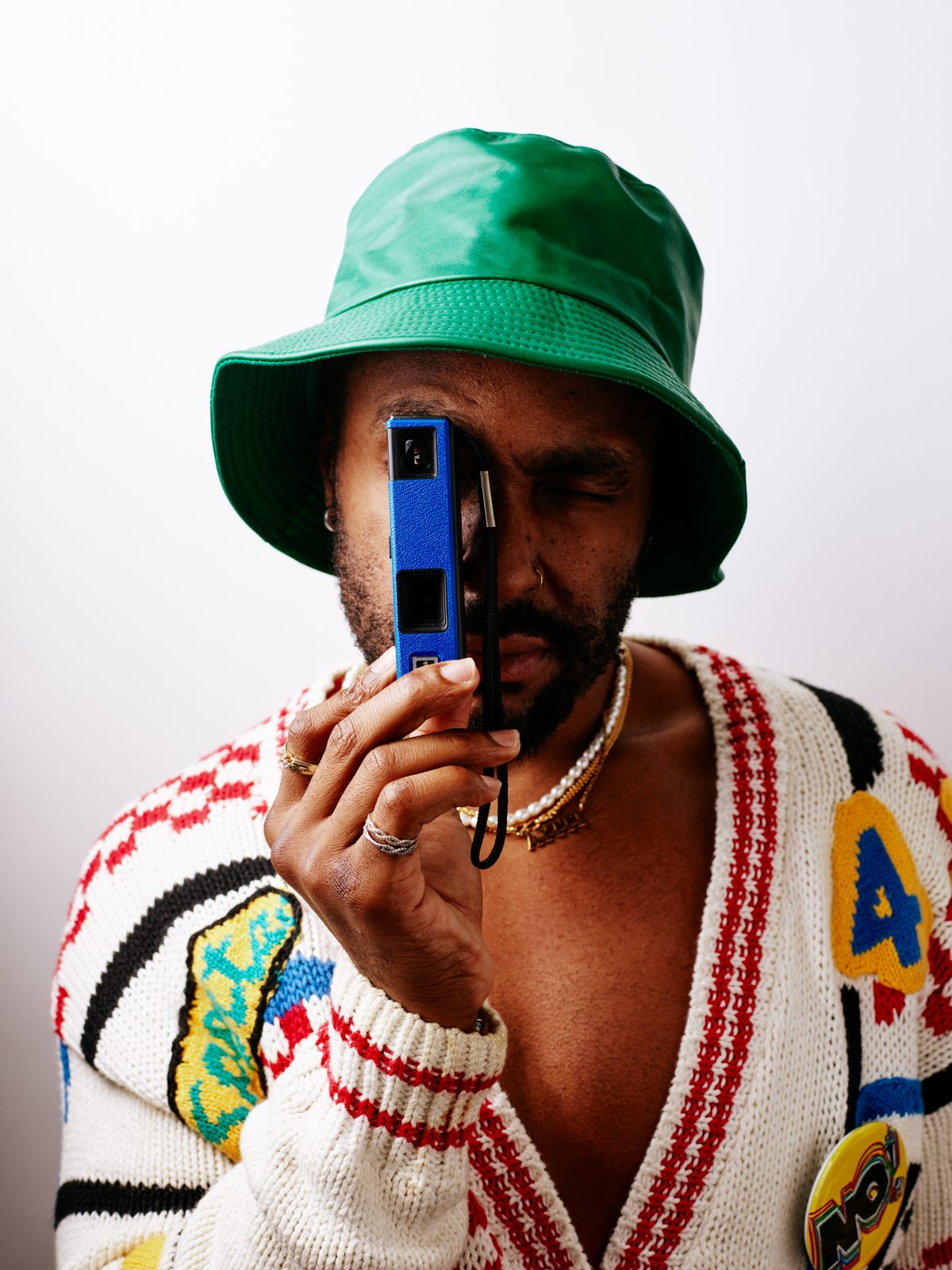
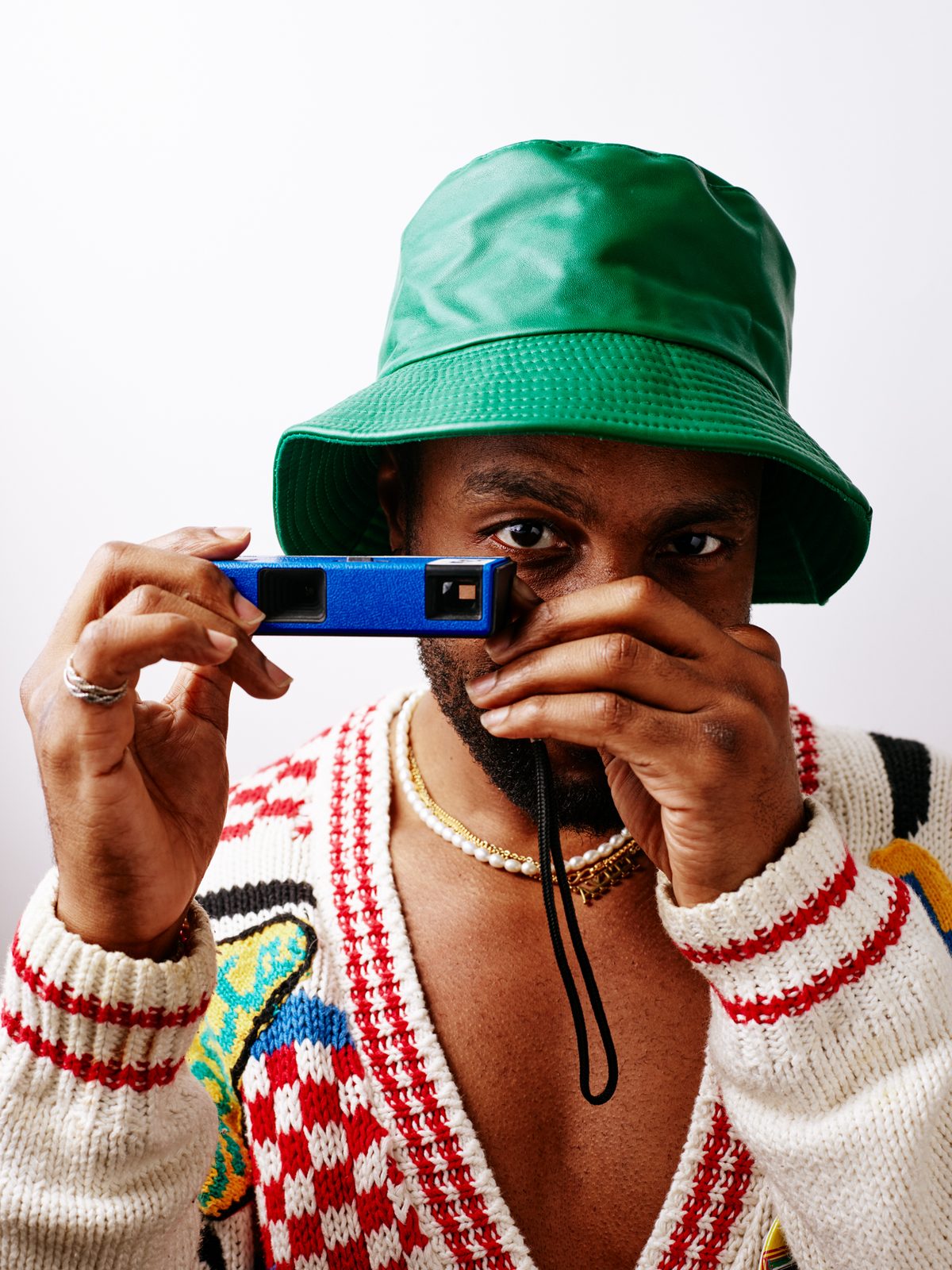

The economic implications are substantial. Hermès has thrived by maintaining an almost monastic dedication to a particular aesthetic position. But Wales Bonner’s appointment signals a recognition that consistency cannot mean stasis. Younger luxury consumers, particularly those driving growth in emerging markets, are less interested in buying into a static European fantasy. They want brands that can accommodate multiple narratives and acknowledge the reality of a globalized, hybridized culture.
When Wales Bonner incorporates the tailoring traditions of the Afro-Caribbean diaspora, or the aesthetic sensibilities of the Black Atlantic intellectual tradition, she’s arguing that these traditions are as sophisticated and worthy of preservation and reinterpretation as the European craft traditions that luxury fashion has historically valorized. This is a critical expansion of what can be considered “luxury heritage.”
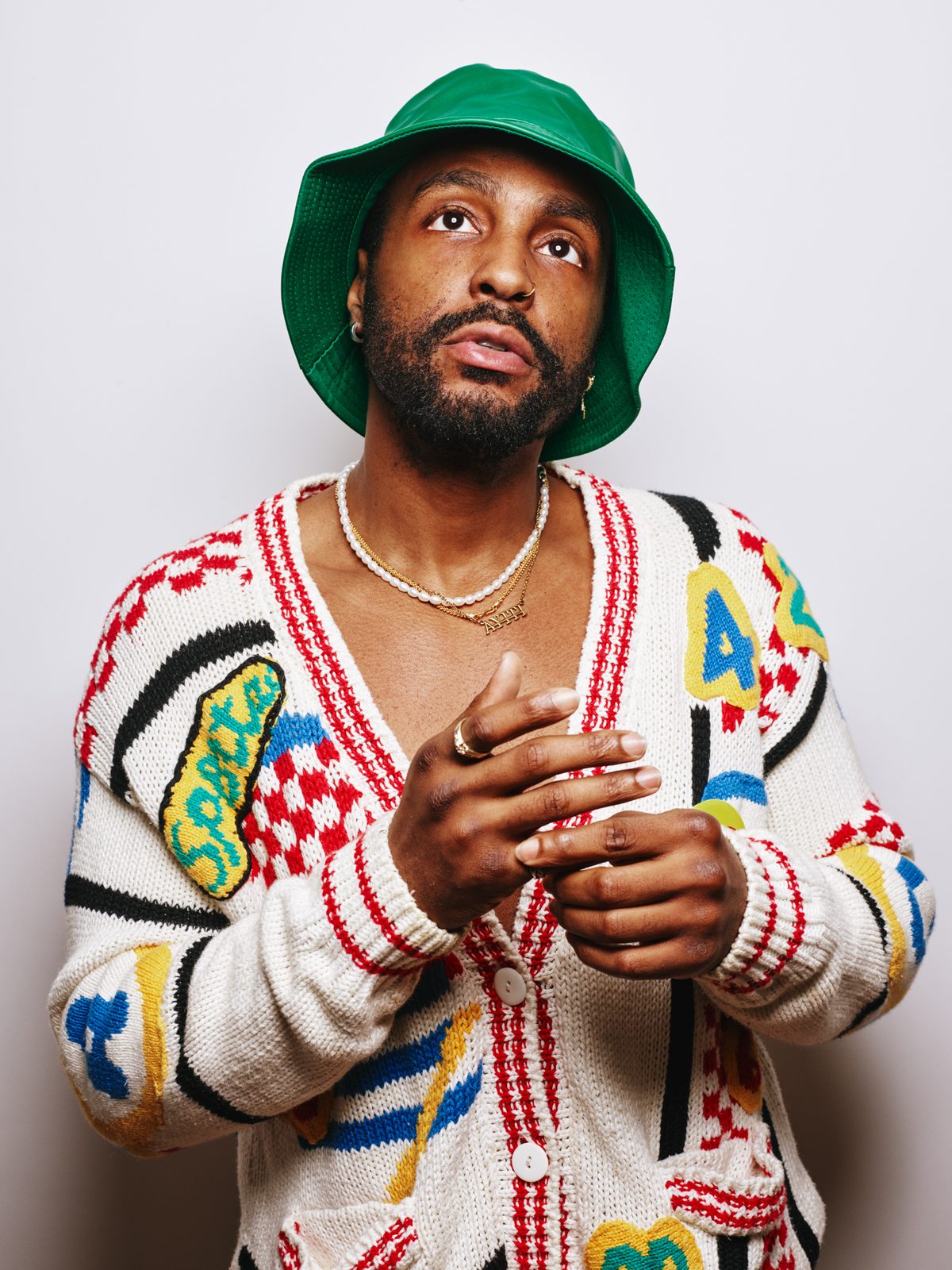
Wales Bonner’s challenge and opportunity is to bring two archives into conversation, the Hermès archive of French luxury craft, and her own archive of diasporic cultural production. The synthesis could produce something genuinely new: a vision of luxury that is simultaneously rooted and polished, traditional and progressive, specific and universal.
The appointment also marks a maturation of the relationship between independent designers and heritage houses. Her way of creating offers a model for how fashion can engage with history without collapsing into nostalgia or appropriation. To reference the past meaningfully, you’ve got to do the work—the research, the contextual understanding, the careful consideration of power dynamics and historical violence. This rigor is increasingly rare in an industry that often treats history as a mood board, cherry-picking aesthetic elements without actually understanding what they mean.
Ultimately, Wales Bonner at Hermès represents the possibility that luxury fashion can be intellectually serious without being inaccessible, can honor tradition without being conservative, and can engage with complex questions of culture and identity without reducing them to marketing slogans. Her work directly addresses what Gray identified as the need to “unsettle as much as possible the formal and largely constructed ways in which we see and understand visual representations of black masculinity” (Gray 401). In an industry increasingly dominated by financial logic and short-term thinking, her appointment suggests that there remains space for designers who understand fashion as a form of cultural production as significant as literature or cinema, a medium through which we can explore questions of history, identity, and what it means to live in a world of multiple, intersecting inheritances.
Works Cited
Gray, Herman. “Black Masculinity and Visual Culture.” Callaloo, vol. 18, no. 2, 1995, pp. 401-405.

Jeff Karly
I am a Creative Director, Strategist, and Storyteller from Brooklyn, NY, with extensive experience in fashion, entrepreneurship, and culture-driven projects. I see my work and vision as a tension between reporting and storytelling. Often, brands and businesses report what they do, whereas I don’t just tell stories, I build them into experiences, into worlds people can step into. I take a true 360-degree approach to fashion, culture, and design, transforming ideas into living, breathing touchpoints that move audiences.
All pieces by Jeff Karly →