CONTRIBUTING EDITOR’S LETTER: WHY A CENTURY OF STORIES MATTERS
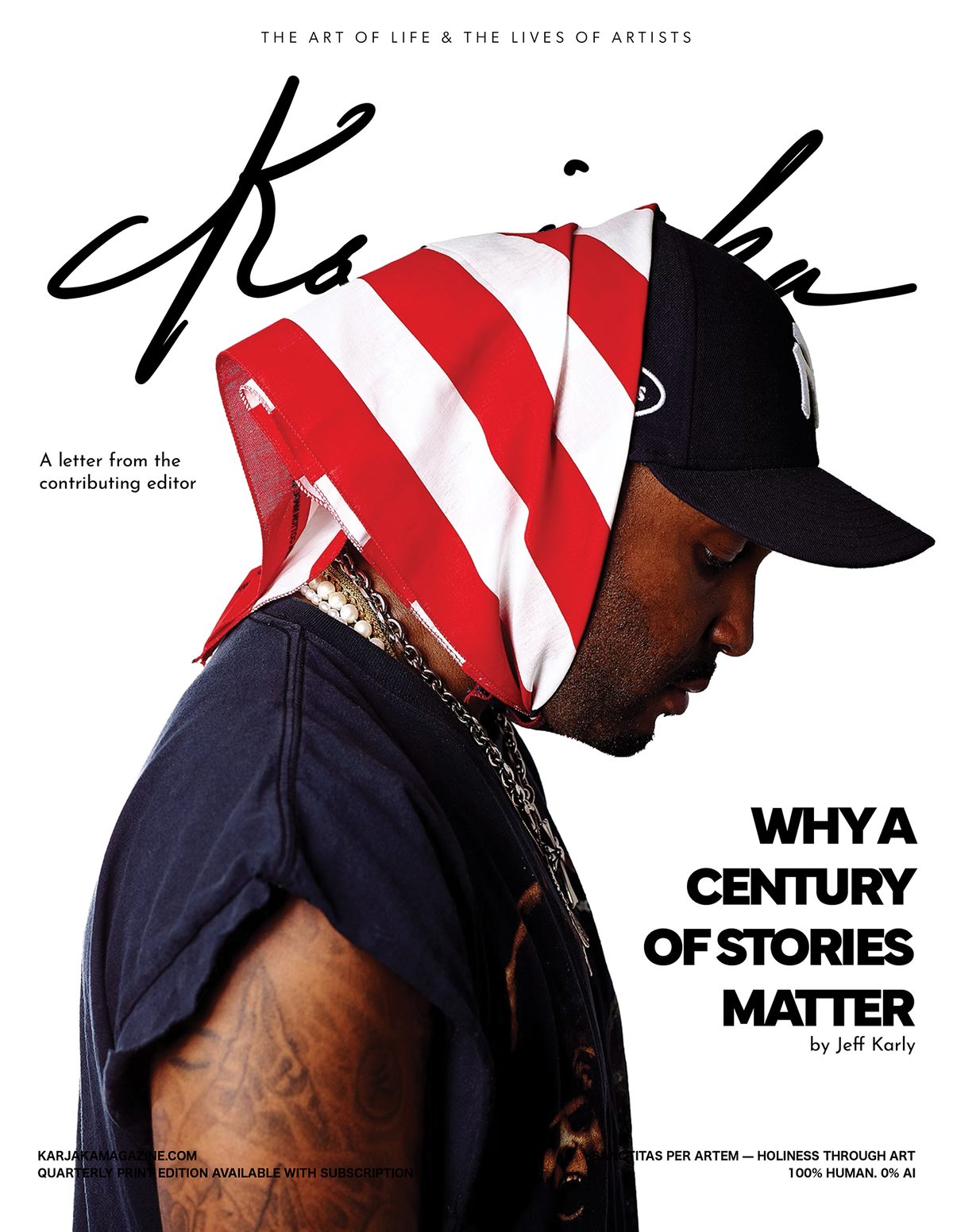
In 1925, Dr. Carter G. Woodson planned the inaugural week-long observance of Black history, an idea sparked by his belief that teaching Black history was essential to ensure the physical and intellectual survival of Black people within broader society. He said, “If a race has no history, it has no worthwhile tradition, it becomes a negligible factor in the thought of the world, and it stands in danger of being exterminated.” Little did he know that this week-long observance would evolve into a national reckoning, one we’re still fighting to protect.
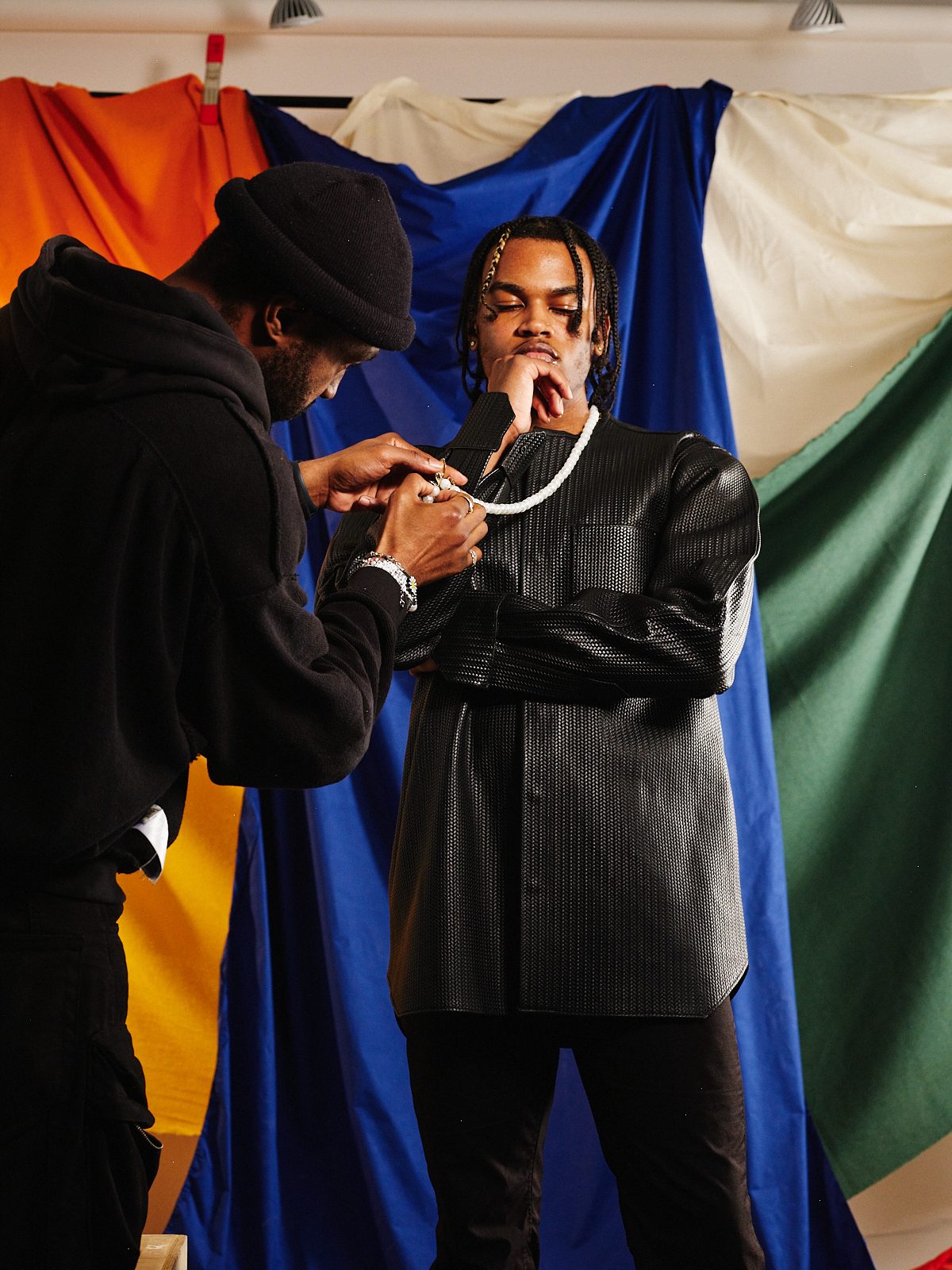
A century later, we honor what Woodson started. But recognition didn’t come easy, and now, at this milestone, we’re still fighting similar battles he’d recognize all too well.
We’re watching a systematic erasure of books like The 1619 Project, Beloved, Between the World and Me & Black Boy by Richard Wright pulled from shelves. Monuments removed. Curricula stripped of honest analyses of slavery, Jim Crow, and systemic racism. This isn’t a coincidence. It’s a strategy. Because Black history is American history, the good, the bad, and everything in between. These stories enable possibility. These stories prevent repetition. These stories offer hope. And that makes them dangerous to those invested in maintaining a sanitized past and a curated future.
Woodson wrote, “When you control a man’s thinking, you do not have to worry about his actions. You do not have to tell him not to stand here or go yonder. He will find his ‘proper place’ and will stay in it.”
One hundred years later, the fight for whose stories get told, and who gets to tell them, continues. This issue highlighted the next generation of artists who refuse to find their “proper place.” They’re reclaiming their narratives, creating in spite of censorship, and insisting on a future where history cannot be erased.
In these pages, you met a milliner keeping a dying craft alive and flipping it on its head. A denim designer channeling Warhol and Basquiat, documenting his own becoming in real time. Each of them understands what Woodson knew: that to control your story is to claim your survival.
But progress is not inevitable. It must be protected, amplified, and carried forward. So I hope you enjoyed these stories. Share them. Speak them. Teach them. Because a century of honoring Black history means nothing if we allow the next generation to inherit silence.
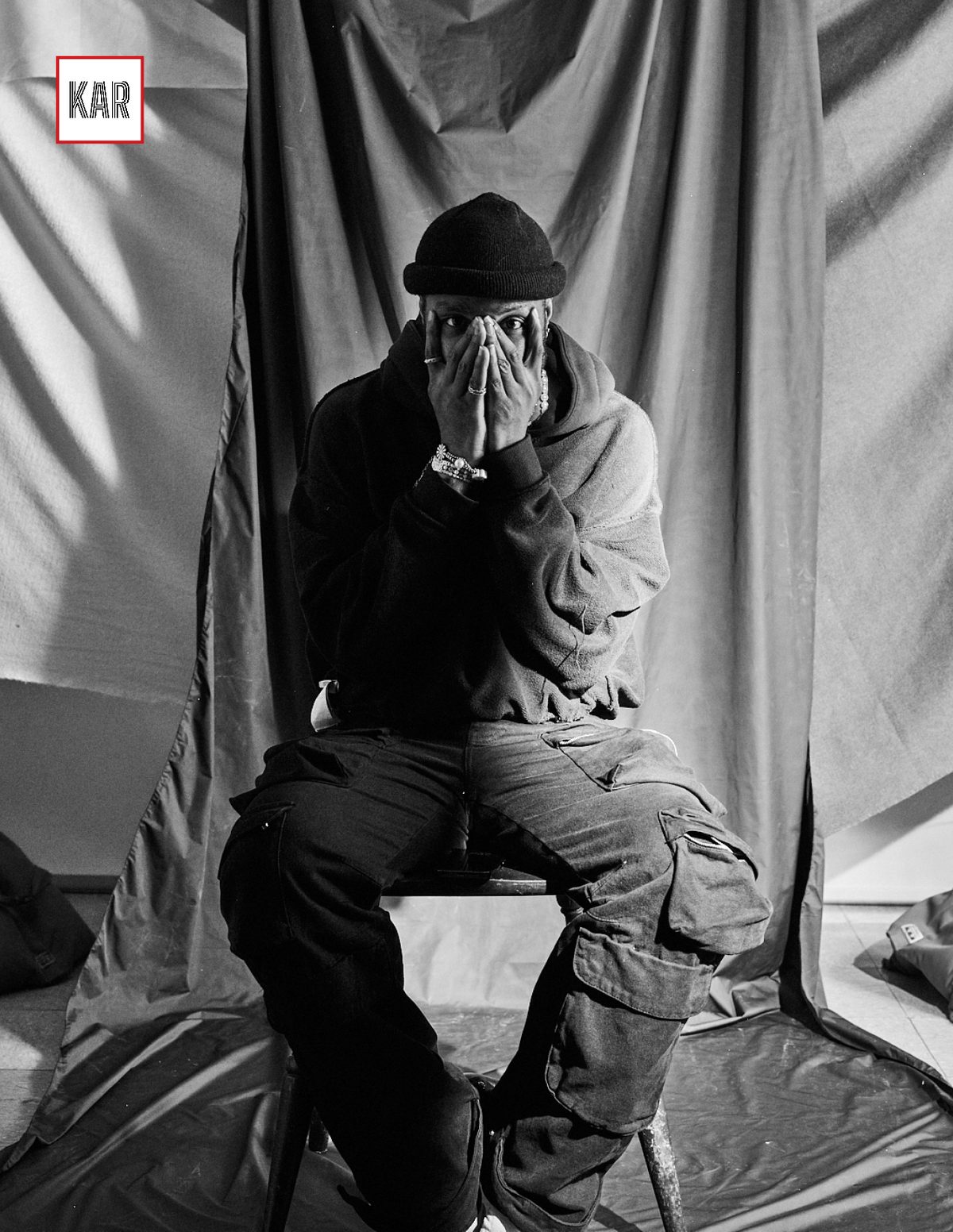
Jeff Karly
I am a Creative Director, Strategist, and Storyteller from Brooklyn, NY, with extensive experience in fashion, entrepreneurship, and culture-driven projects. I see my work and vision as a tension between reporting and storytelling. Often, brands and businesses report what they do, whereas I don’t just tell stories, I build them into experiences, into worlds people can step into. I take a true 360-degree approach to fashion, culture, and design, transforming ideas into living, breathing touchpoints that move audiences.
All pieces by Jeff Karly →