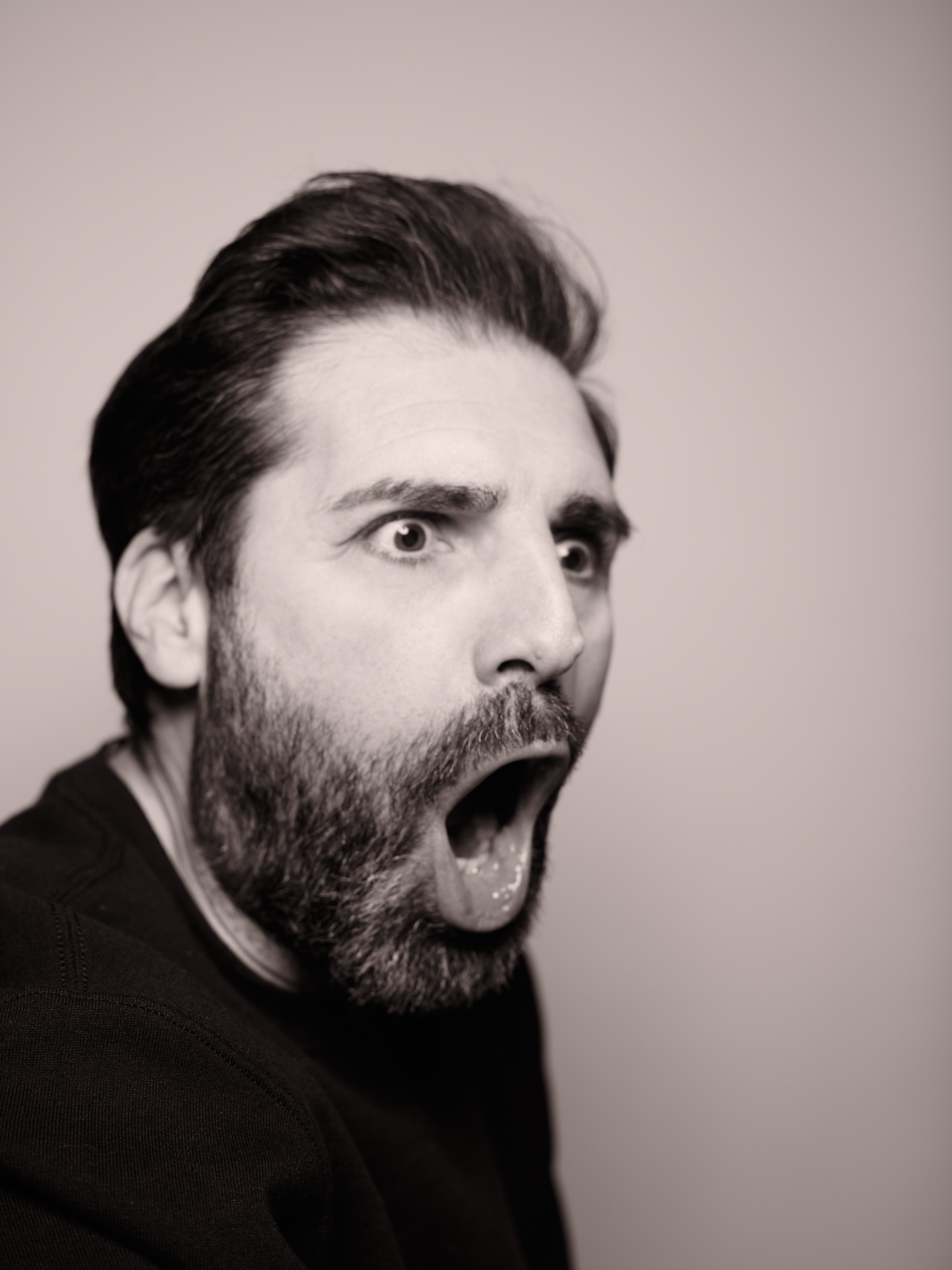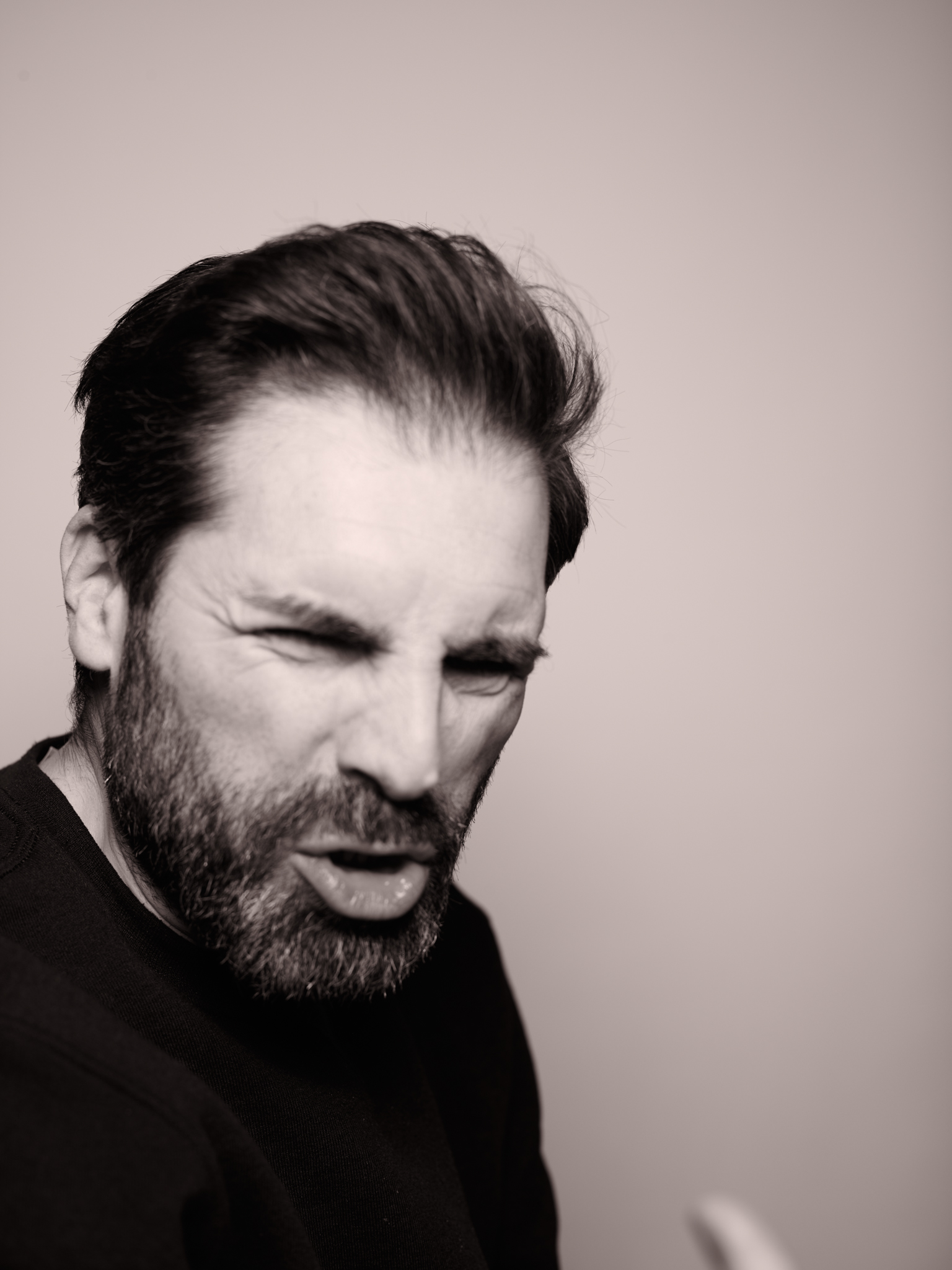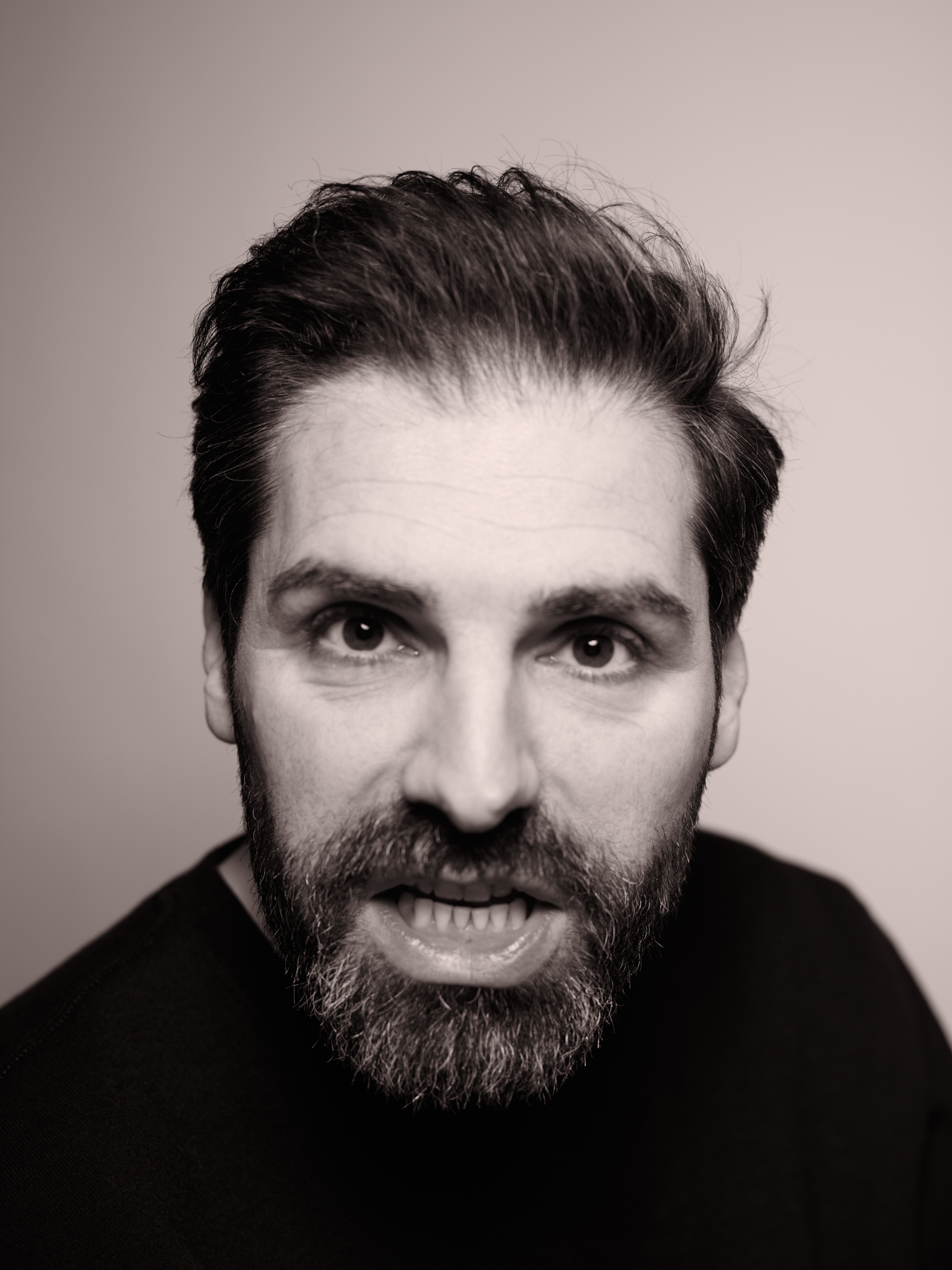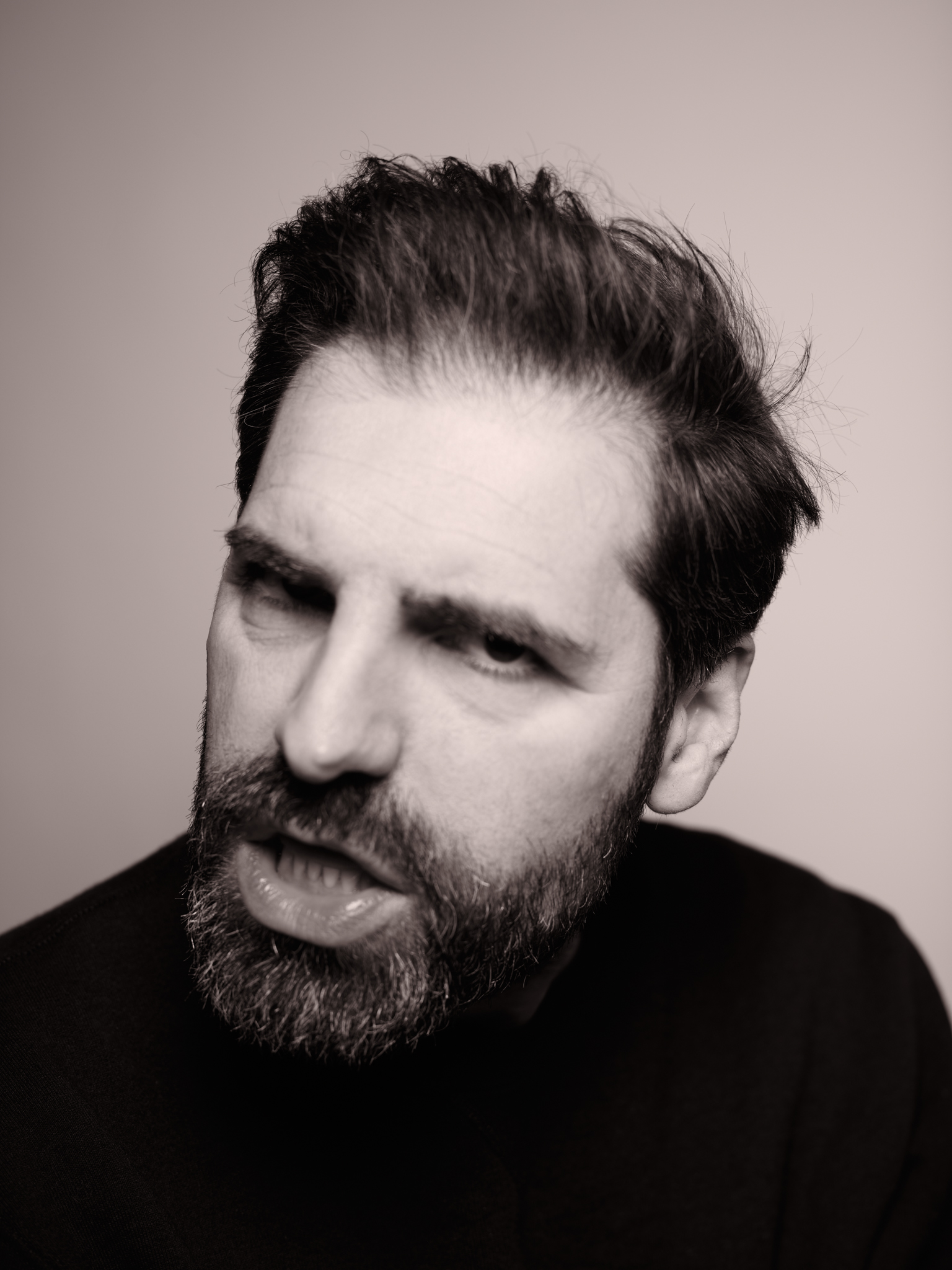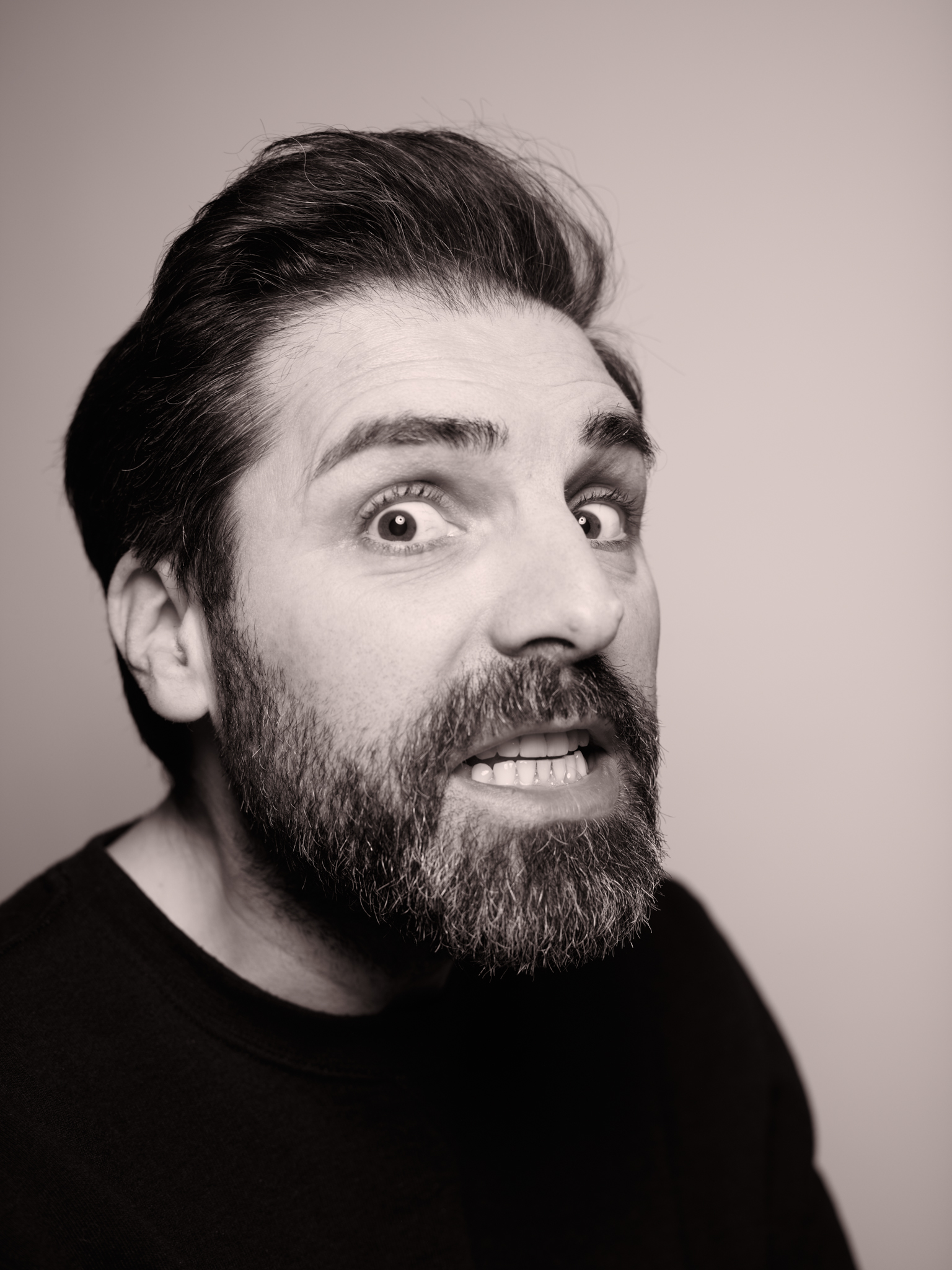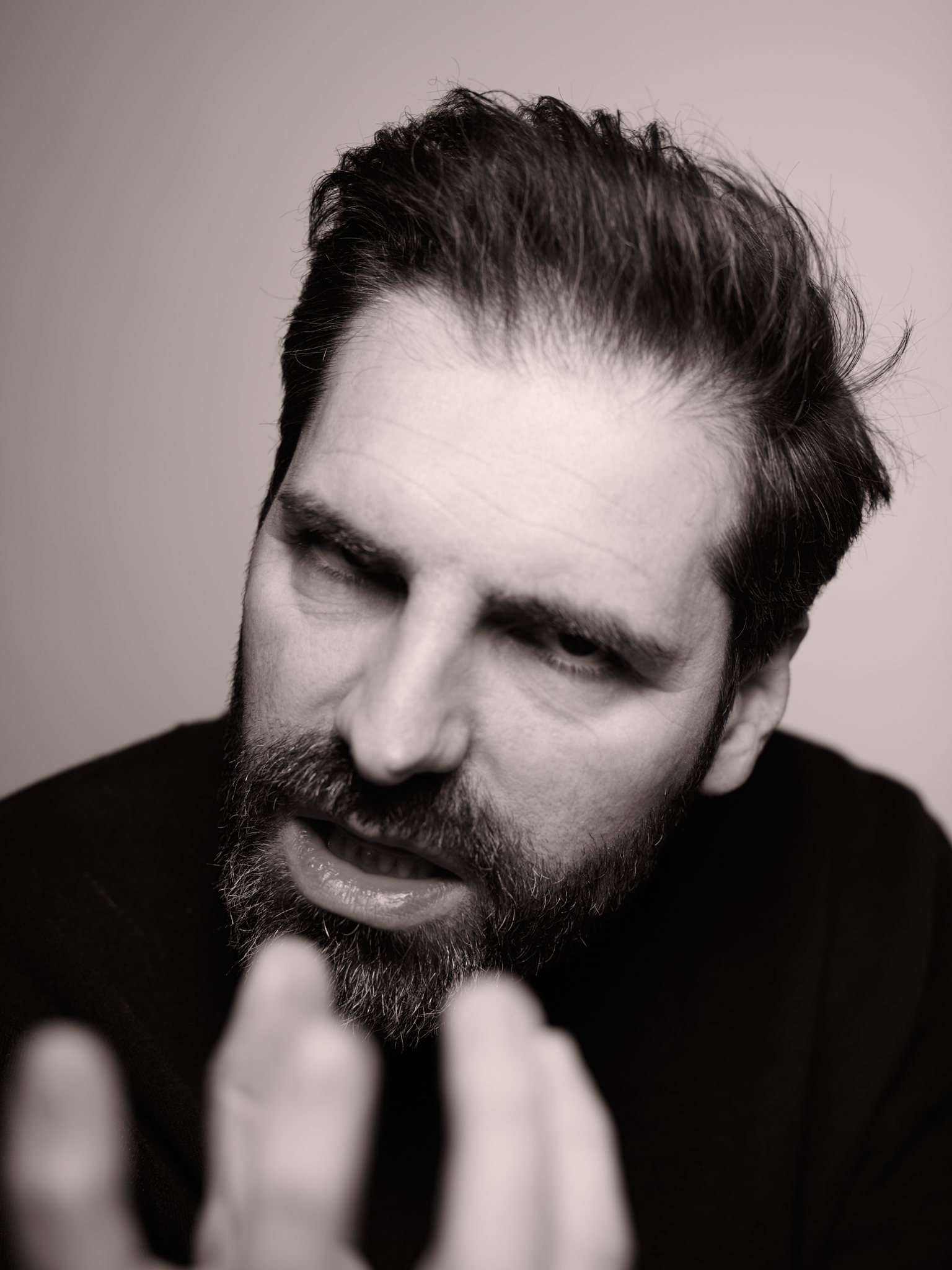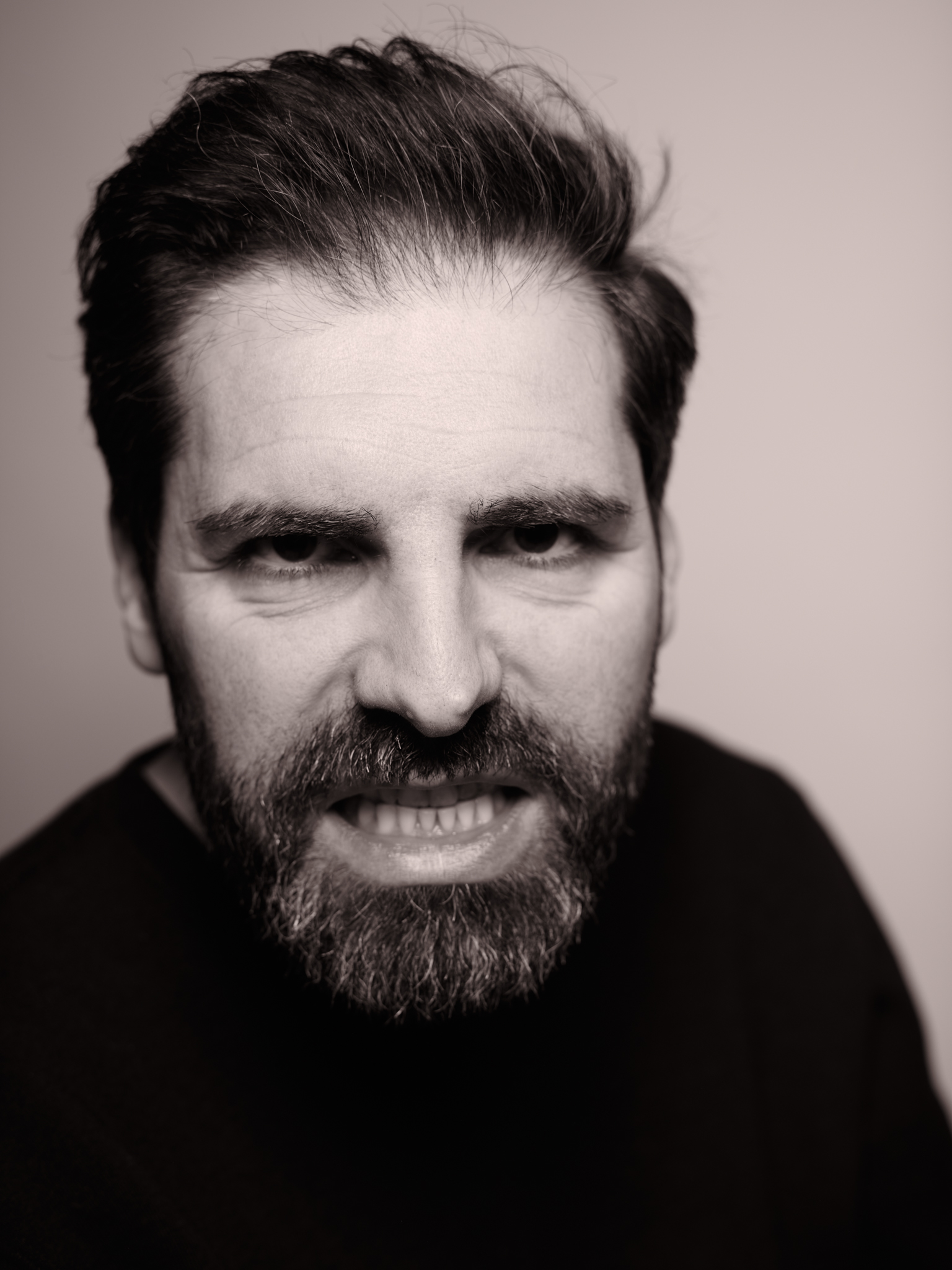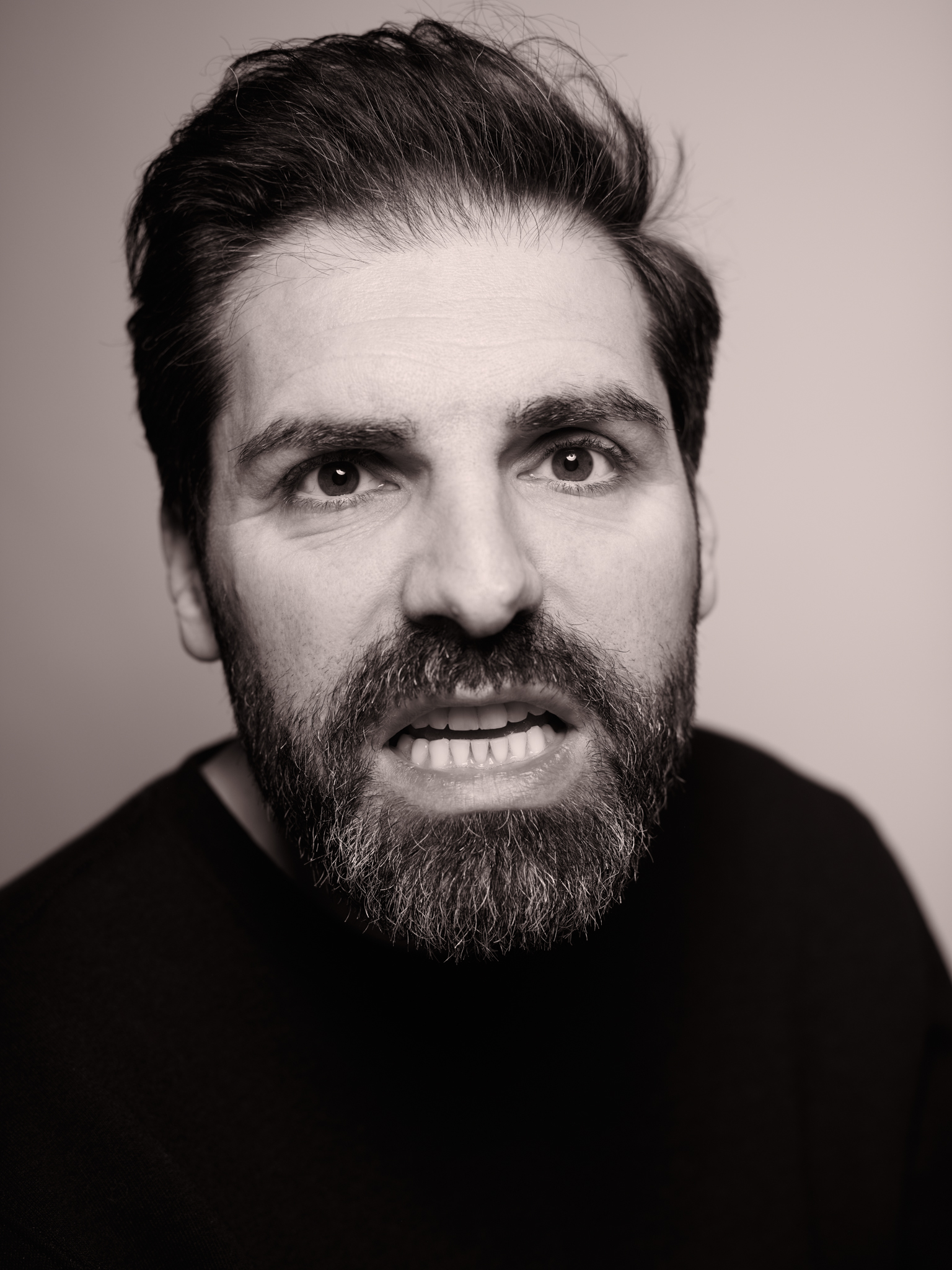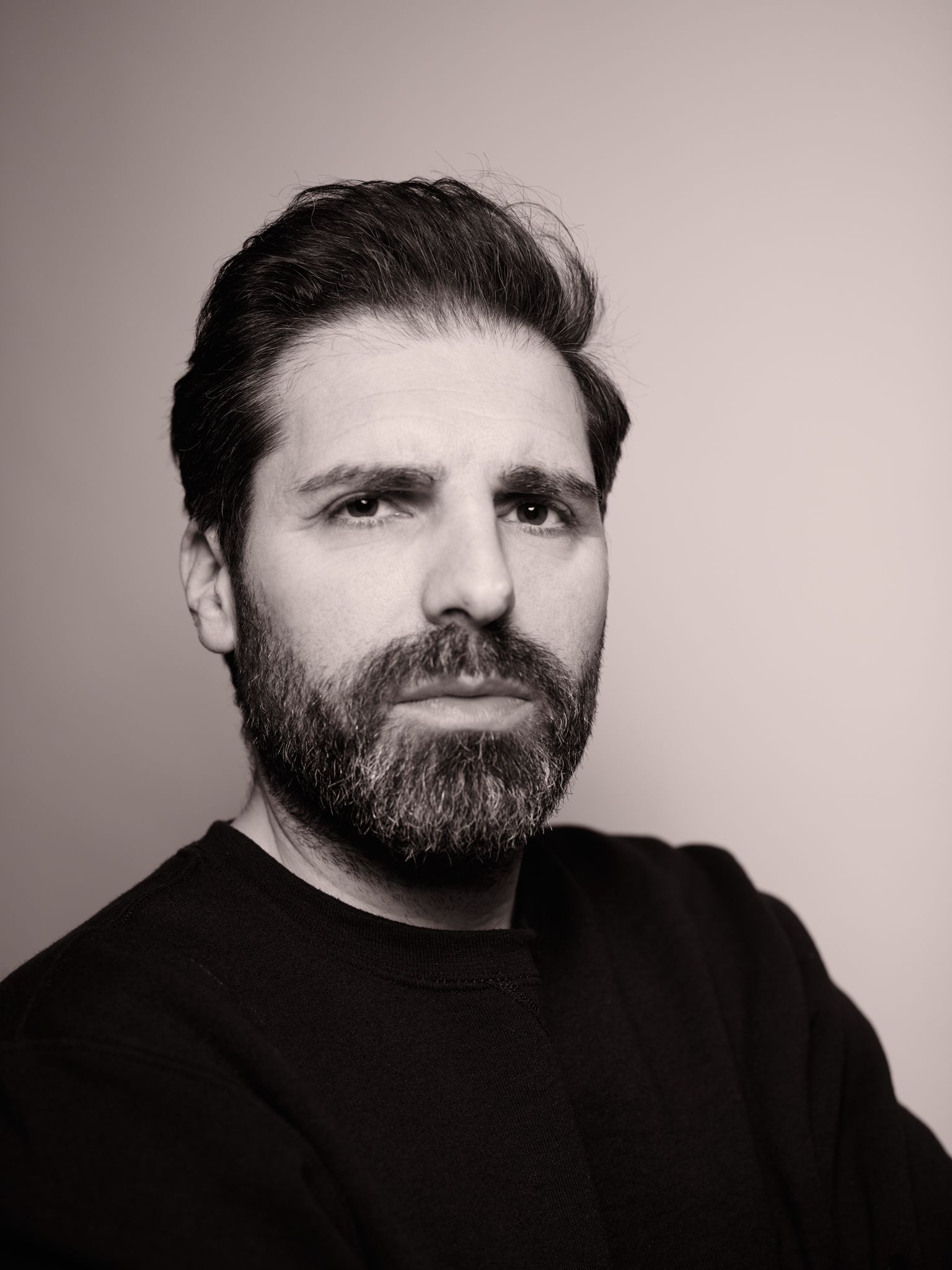
Monologue Portraits: The Argument

From Issue 102 — Black Americana
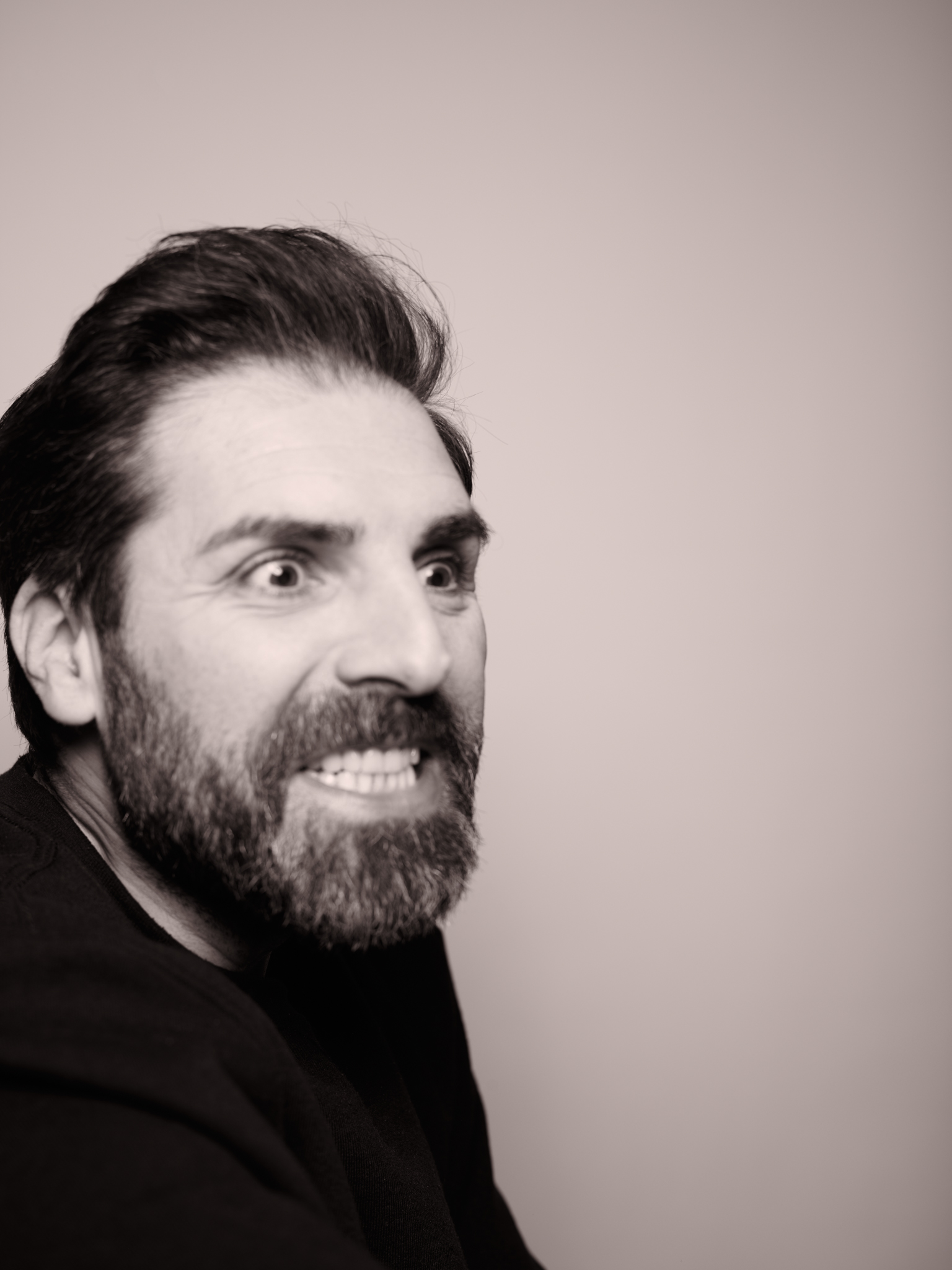
“Giddy up. I’ll make coffee,” he says.
One floor below. Right underneath us.

It’s Wednesday morning.
I’m excited about the shoot.
I think.

I need coffee.

Clothes. Stairs. Knock.
Downstairs. Espresso.
Giddy up. Camera.
Let’s go.

The moment the lights hit, I feel it.
Comfort. Peace.
In the element.

Then?

Discomfort.

The itch.
The voice.
The fight.

It’s always there.
Waiting.
Poking me.

Some version of me versus another.

The artist.
The husband.
The father.
The friend.

I embrace the itch.
Let it sink in.
Now we’re in.

Then?

I hear something.
Not in the room.
In my head.

An old conversation I never finish.
The voice that says I should’ve done it differently.

I always hear him first.
That’s when the shift starts.

Engines fire up.
Hands go up.
Burst of words.

Othello comes to mind.
Restrain.

I think I apologize.
Or maybe I just stop.
I can’t remember.

I say, “I am a performer. I can’t sit still.”
He waves it off.
“That’s no problem.”

Then?

We go.
Back and forth.
Fast.

I speak.
He clicks.
The camera and the monologue
racing on the same track.

No one wins.
But we both keep score.

I know the camera’s catching all of it.
But I don’t care.

Was that the point?
Who knows.
Who cares.

He asks the question he always asks:
“Who are you when no one’s watching?”

I say nothing.
That one always cuts.

Because I don’t know.
Because maybe he does.
The other me.

At some point I raise my voice.
Only in my head, but loud.
Loud enough for my body to feel it.

My hands go up, again.

Then it’s over.

Exhale.

This isn’t performance.
It’s instinct.
Memory.

The feeling when you argue in your head and win?
Only it doesn’t feel like winning.

I’m not acting.
I’m reacting.

I used to think the camera captured who you are.
Now I think it captures who you’re trying not to be.

I stop talking.
He goes quiet.

The frame closes.
The shoot ends.

But the argument
never really does.
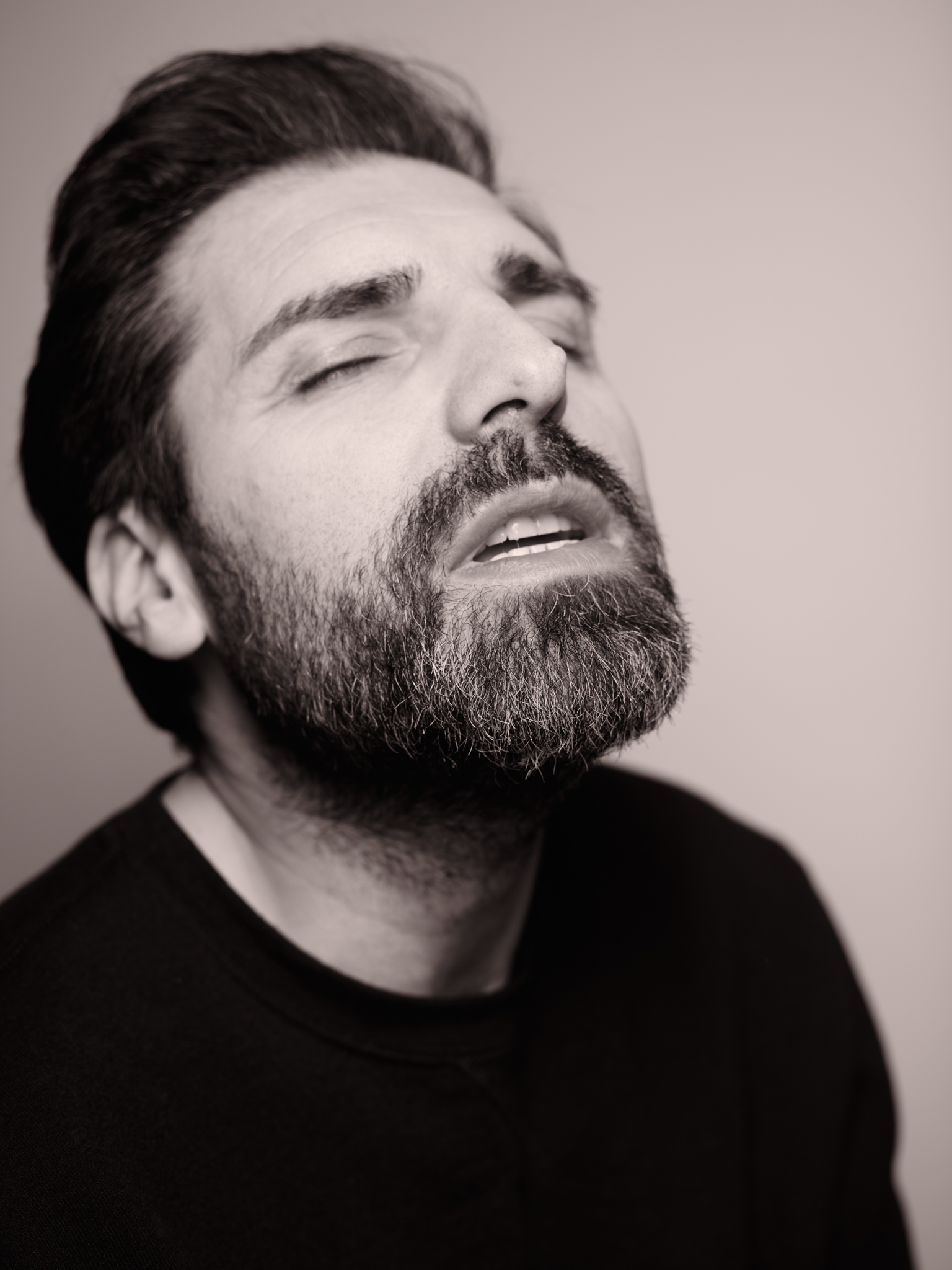
Shpend Xani
Shpend Xanihttps://www.shpendxani.com/
Shpend Xani is a classically trained Albanian-American actor and foreign language dialect coach based in New York City. He was born and raised in Kosovo during the war, moved to Colorado as a war refugee, and now lives in New York with his family. On stage, Shpend has appeared in Shakespeare’s King John at Folger Theatre, Antony and Cleopatra at Pennsylvania Shakespeare Festival, Coriolanus, and A Midsummer Night’s Dream at Shakespeare Theatre-ACA, in the Olney Theatre’s production of Arthur Miller’s The Crucible and Caryl Churchill’s Love and Information at Forum Theatre. Shpend also performed in the following world premieres; Beginning Days of True Jubilation, The Strangers Came Today with SOCIETY Theatre Company, The Vagrant Trilogy at Mosaic Theater Company, Rest Upon the Wind at NYU Skirball Center, The Interstellar Ghost Hour at Longacre Lea, Pawnshop Accordions at FringeNYC, Pocono Christmas at Hudson Guild Theatre. On screen, Shpend has appeared in FBI: Most Wanted (CBS), The Blacklist (NBC), New Amsterdam (NBC) as well as other independent and international features, and short films. He also works as a dialect coach providing foreign language translation and coaching services for tv shows such as The Blacklist, Blue Bloods, Blank Slate, etc. He is fluent in four languages. ​Shpend is a founding member of the NYC ensemble theatre company called SOCIETY.

Check This Out

6footBOOM

I've always been fascinated by people and their unique narratives.  I am dangerously curious and want to try everything. We only have so many years on this planet, so it's impossible to try everything unless you are lucky enough to experience a slice of life through candid conversations daily. I've hosted for The Travel Channel, NowThis, and Thrillist and fell in love with energetic interactions and the wealth of knowledge you can gain in just a few minutes from interviewing someone.

Apocalypse Now: Broadway Edition

Things on Broadway are bad right now. How bad are they? They’re really bad. Like “Britney Spears in 2007 meets Mel Gibson in 2010” bad. And here’s the worst news: they’re not getting better this week. Of course, COVID-19 is to blame for the decimation of live theatre, but it is time for us to admit that our prolonged closure can be blamed on none other than the utter incompetence of the theatre industry as a whole.

All Categories

LEAVE A REPLY

Please enter your comment!
Please enter your name here