Transformations: A Quick Hobby or Lifetime Changeover
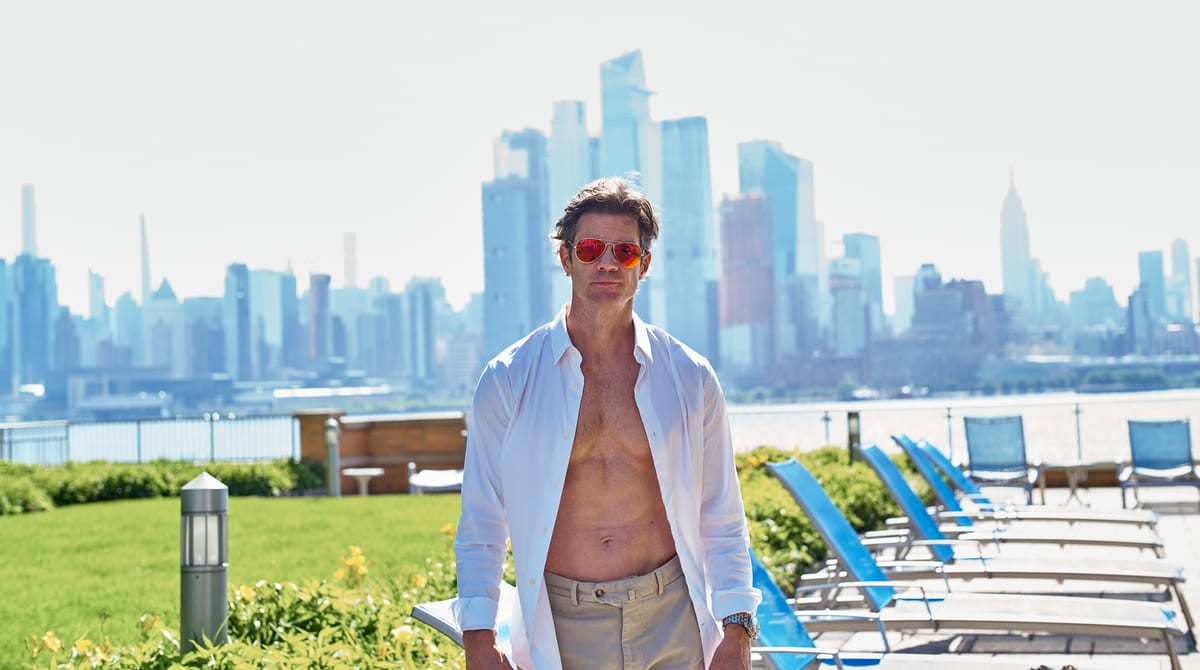
Transformation. I used to hate that word. I’m still not fond of it. However, there is a common understanding in the fitness community and prospective clients seeking to undertake a fitness program. Transformation usually means a new beginning entailing a physical metamorphosis. To a vast majority, it can mean a better weight on the scale and fitting into your old (smaller) clothes. To some others, it can mean a tighter fitting sleeve but looser waist bands on pants. And yet to some others, it might indicate a longer day coupled with a tedious date of uncomfortable effort.
To me, the quality that the term “transformation” mostly signifies is a willingness to stick with a program design for a pre-determined length of time. It indicates a choice to dedicate a designated block of time each week to adhere to a workout schedule that targets a client’s goal(s). The most important aspect of a transformation period is respecting—perhaps even enjoying—the process to reach that goal. Transformation periods should be something that isn’t just relegated to the time of the actual transformation, but it should be an introduction into the larger picture of adopting a workout regimen as a lifelong commitment. And that isn’t meant to be an intimidating idea.
One of the biggest complaints I hear about transformations—if they are successful—is what to do after it’s completed. Many clients don’t know what to take on next and once they’ve achieved their goals they have turned to destructive habits like unending celebratory periods of overeating and under exercising. Some clients will even talk about their accomplishments and hang their hats on their laurels for the next 10 years until they’re ready to take on….another short “transformation” period. For 3 months. And then remind themselves of the difficulty of the struggle in the beginning and then quit after the 3 months are up again.
Instead, I believe a transformation should be something that acts as an introductory phase of exercise that becomes part of a client’s every day life. It should be a tenable task that doesn’t interfere or hinder the rest of the client’s day but instead reinvigorates and supports that client’s productivity at work and their energy at home. It doesn’t necessarily have to be loved—although some do—but it should be something that is valued and recognized for what it is: a portal to a more mobile, healthier, productive and balanced lifestyle.
The exercise segment of a transformation is only about 2-5/6 hours or so a week, depending on availability and ability. A full week is 168 hours. How does the a client conduct the rest of his or her week to maximize the gains attained on the gym floor? One of the more recent bits of advice I doled out to clients looking to complement their challenging workouts was feel good for every willful decision they make each week. They should feel good after working out. They should feel good (not stuffed or bloated) after eating. They should be refreshed and rested when waking up in the morning. They could even feel more patient and think more efficiently during work. And they should feel more harmonious in their relationship. Okay maybe the last one is a stretch. But, if both partners are working out a more understood and connected relationship could be a measurable part of their goal as well.
As much as I feel the the idiom “transformation” is overused, it does serve as a vital segue into the larger world of physical fitness. For those that sign up for a transformation, I hope they commit to a life-style choice as opposed to a short term fix. Nothing in life is sustainable and we are only as good as what we’ve done most recently and not what we did 10 or 20 years ago.
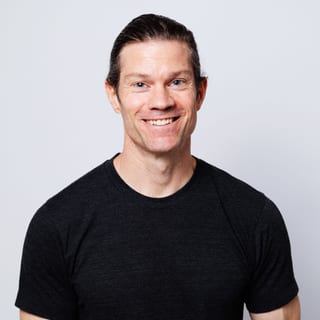
Craig Thomas
Craig Thomas cut his teeth as a New York City based strength coach and has continued to train clients for over 26 years. While working out of the most exclusive and well-renown gyms across the City, Craig has gained knowledge and experience under the most revered fitness coaches in the country. He has worked with actors, directors, CEO’s, art gallery owners and doctors in addition to grandmas. While he still maintains a base of clients in person, Craig coaches in an online platform that guides and nurtures clients through successful physical and life transformations.
All pieces by Craig Thomas →