Art & Compelled Speech
On April 26, 1968, Paul Robert Cohen was arrested in Los Angeles for wearing a jacket. An ordinary jacket that had the words “Fuck the Draft” written in red on the back. He was charged with violating a state “breach-of-the-peace” law. In 1971, The case eventually made it to the Supreme Court, where Cohen prevailed with a 5-4 vote. Justice John Marshall Harlan II suggested that those offended by Cohen’s message on his jacket “could effectively avoid further bombardment of their sensibilities simply by averting their eyes.”” Judge Harlan stated, “The constitutional right of free expression is powerful medicine in a society as diverse and populous as ours; however, governments might soon seize upon the censorship of particular words as a convenient guise for banning the expression of unpopular views.”
In our current climate, rather than blatant government infringement on Free Speech, it’s the war and the divide between the “woke” and “anti-woke” cliques, the far left and the far right, mainly on Twitter, that dictates what we can and cannot say. The difference in tolerance is only intensifying. I am afraid we are crossing an ideological chasm of censorship – Free Speech vs. Compelled speech. I think it’s important to note that racism, bigotry, hate speech, and other forms of hate should not be tolerated. I do think it’s worthwhile that we engage in challenging and uncomfortable dialogue. We are in a murky space in society where we cannot critique each other without the ramification of being canceled. How does this affect Art? Can speech be an art form we should treasure?
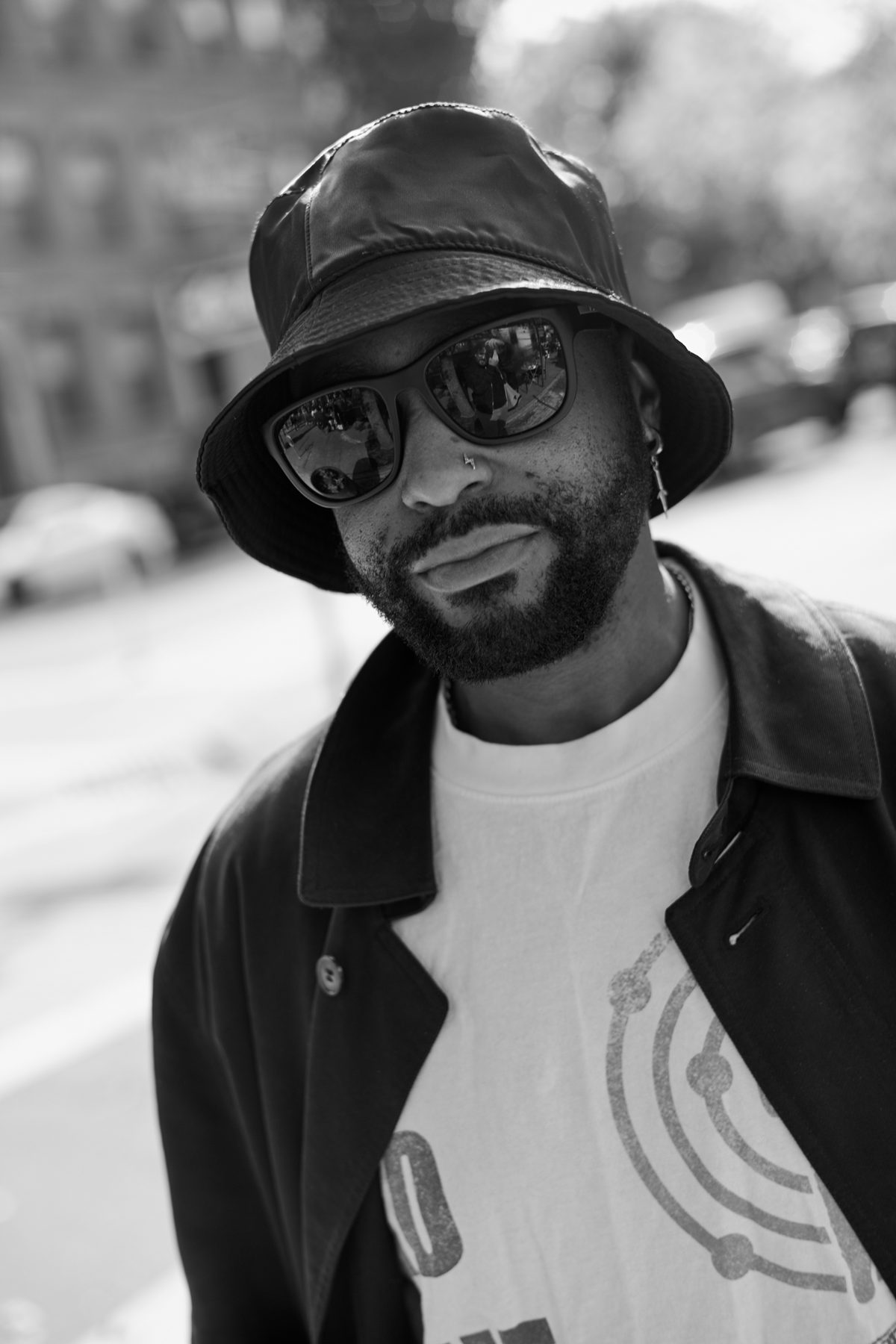
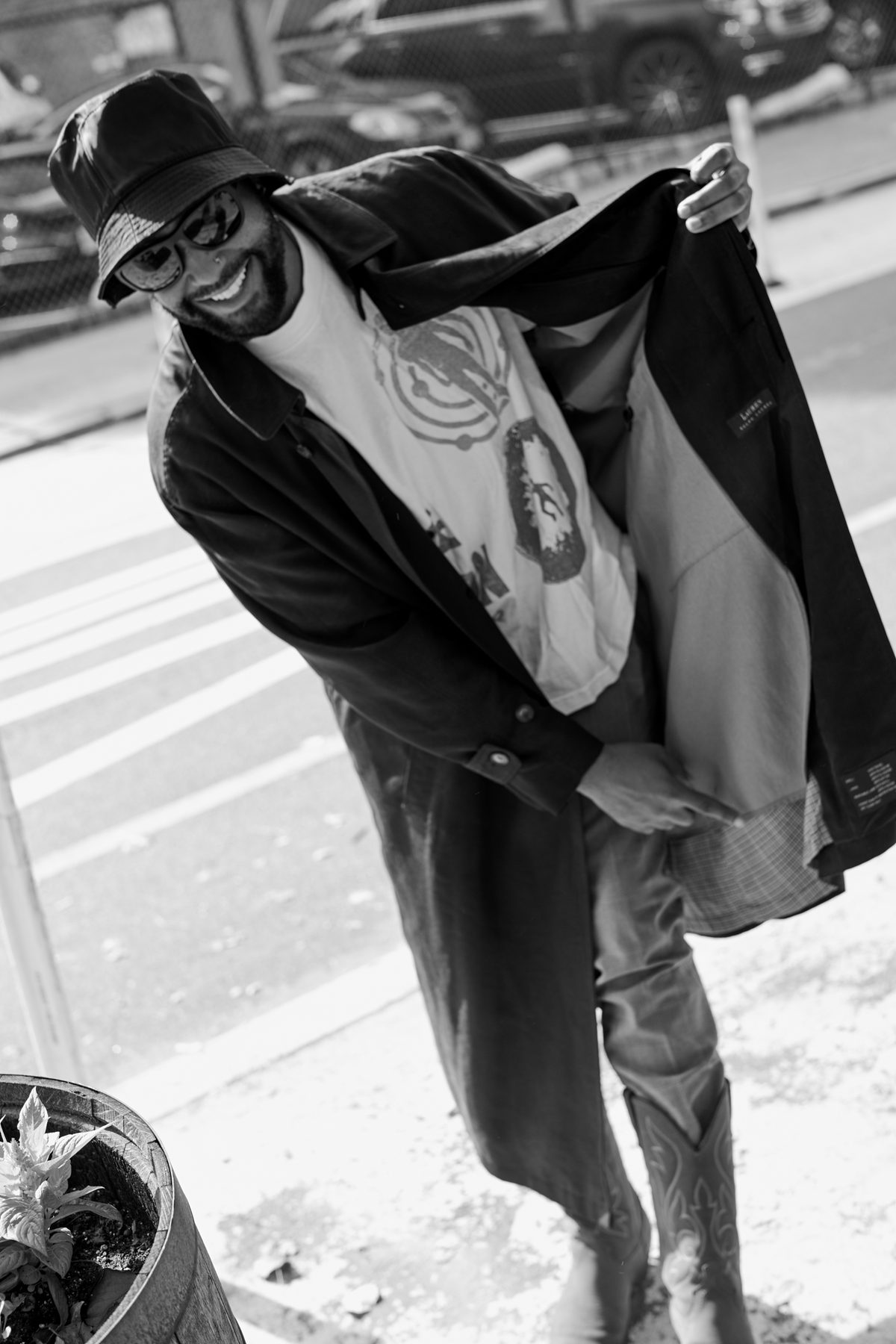
Throughout history, the advancement of thought, culture, and progressive ideas can always be linked back to Art. Art is the space where we can take the problems of the world and put them on a canvas, paper, a photo, a rap bar, a comedy sketch, a sculptor, a movie, or any other physical or written medium. However, these expressions are often ridiculed by those who wish to keep the status quo. Ironically, the war between the “woke” and the “anti-woke” has begun to control what counts as Art. The pressures of not being canceled subconsciously or consciously are acutely changing the way Art is made, presented, and seen. For many artists, their practice has become like a triple entendre: the work they should show, the work they can, and the work they can’t.
Then what is the role of Art – to be controversial, shocking, thought-provoking, insightful, offensive? Justice Harlan said during the infamous case of Cohen v. California, “One man’s vulgarity is another’s lyric.” It’s fair to say that Art may sometimes shock or offend some of us, making the experience unpleasant. Art can also make us think or smile, making the moment enjoyable. Both can should and need to exist. Having the fear of cancellation determine which artistic expression we may or may not want to encounter is a far worse outcome.
It shouldn’t be this scary to talk. (Chappelle, 2022) We are in the era of Compelled Speech, where society dictates how you should think and what you should say, or else face extreme ramifications. That is scary. Let’s also be aware of what society chooses to be outraged about and the performative stances these large corporations are willing to take. Artists have always played an essential role in shaping culture through their unique lens and intentional medium. James Balwin wrote, “The moment we cease to hold each other, the moment we break faith with one another, the sea engulfs us, and the light goes out.” Now is the time to work together, become aware, and recognize that our differences, perhaps maybe, are our similarities…
Jeff Karly Drouillard is a Haitian-American Fashion Designer, Educator, Strategist, Creative Director and Entrepreneur from Brooklyn, NY. Holding two Master’s Degrees, Strategy Design and Fashion Management, his work at Parsons and his private label examines dichotomy within the context of the Black experience as it relates to design and upward mobility. He currently teaches in BFA Fashion Design and MPS Fashion Management at Parsons. He has been featured in WWD, CFDA’s Future Fashion Designer Showcase, Creatively, Fashion United, and more. He’s done work with Baron & Baron, Alice & Olivia, Coach, Zegna and more. Jeff currently sits on The Fashion Policy council which aims to bring legislation and to set sustainability regulations for the fashion industry. He is also the co-founder of a Mentorship Program that focuses on access and the college admissions pipeline that disproportionately affects students of color. He believes by combining design with global issues, we can bridge the gaps in the industry. Paul Robert COHEN, Appellant, v. State of CALIFORNIA.. https://www.law.cornell.edu/supremecourt/text/403/15
Tsesis, Alexander. “Balancing Free Speech.” Boston University Law Review, vol. 96, no. 1, Boston University School of Law, Jan. 2016, p. 1. Coenen, Dan. “Freedom Of Speech And The Criminal Law.” Boston University Law Review, vol. 97, no. 4, Boston University School of Law, July 2017, p. 1533. Quote by James Baldwin: “The sea rises, the light fails … – Goodreads. https://www.goodreads.com/quotes/434795-the-sea-rises-the-light-fails-lovers-cling-to-each
Jeff Karly
I am a Creative Director, Strategist, and Storyteller from Brooklyn, NY, with extensive experience in fashion, entrepreneurship, and culture-driven projects. I see my work and vision as a tension between reporting and storytelling. Often, brands and businesses report what they do, whereas I don’t just tell stories, I build them into experiences, into worlds people can step into. I take a true 360-degree approach to fashion, culture, and design, transforming ideas into living, breathing touchpoints that move audiences.
All pieces by Jeff Karly →