Precocious Potential: The Unfiltered Journey of a Young Artist and Her Midwest Mom.
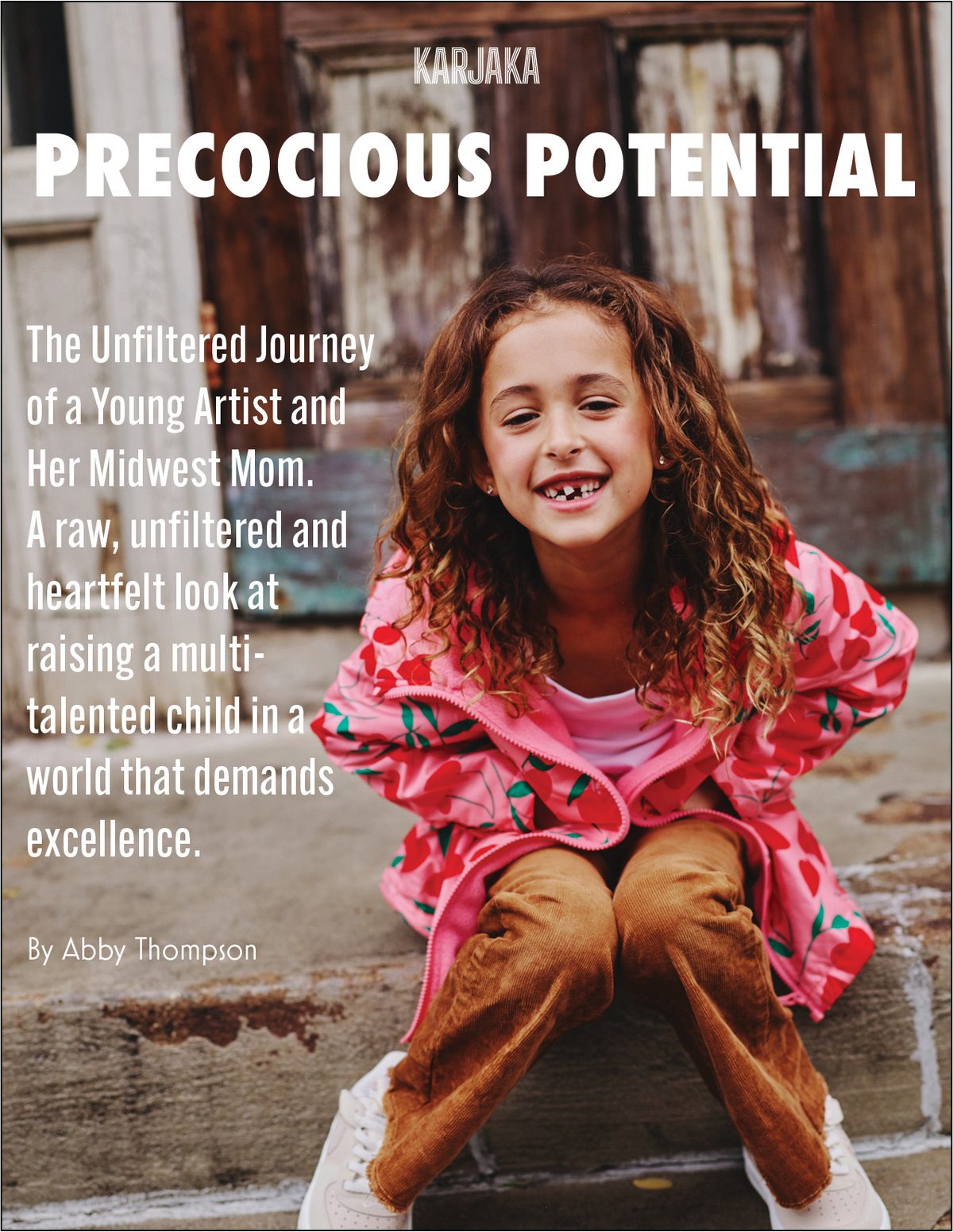
A raw, unfiltered and heartfelt look at raising a multi-talented child in a world that demands excellence.
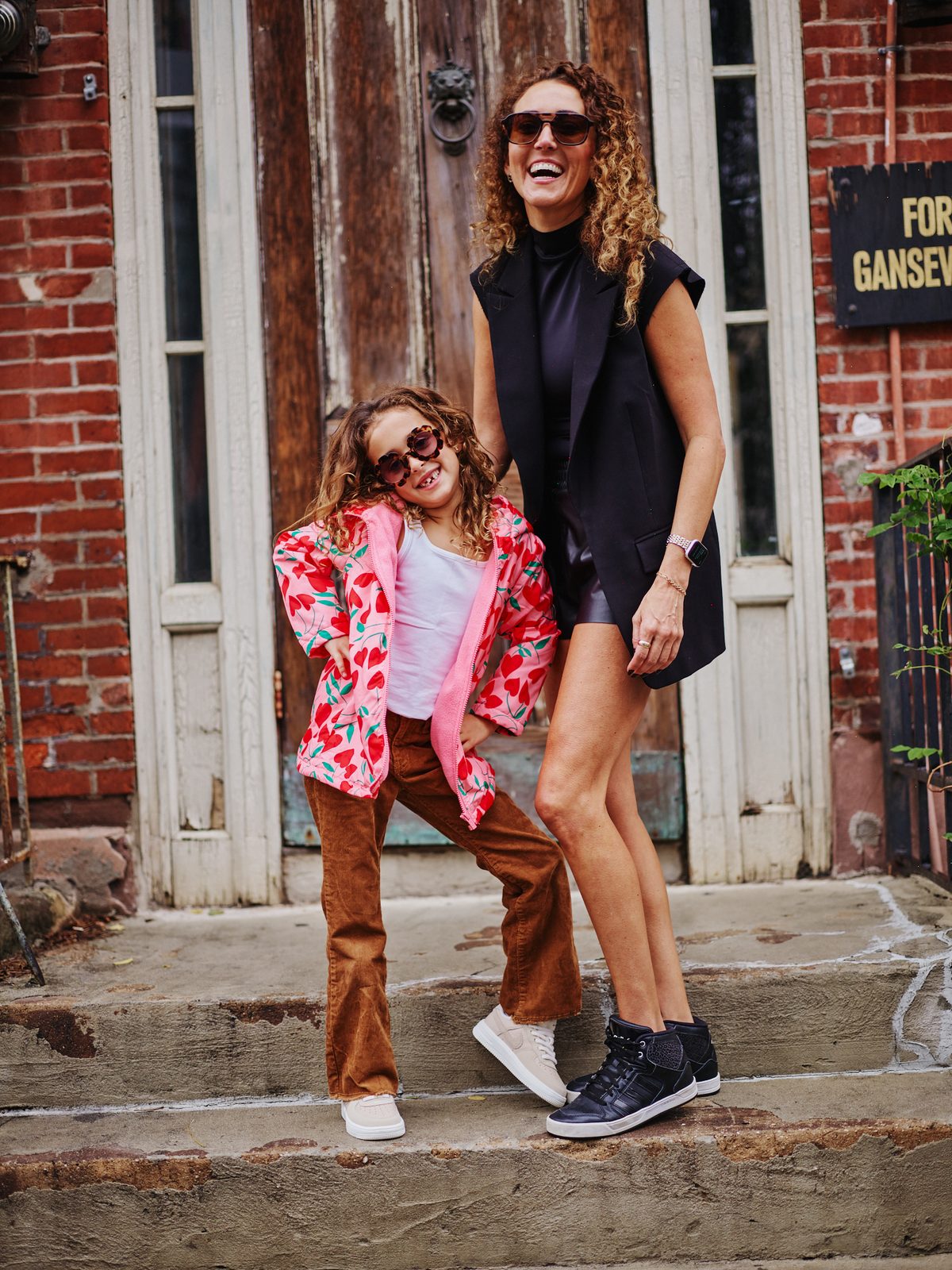
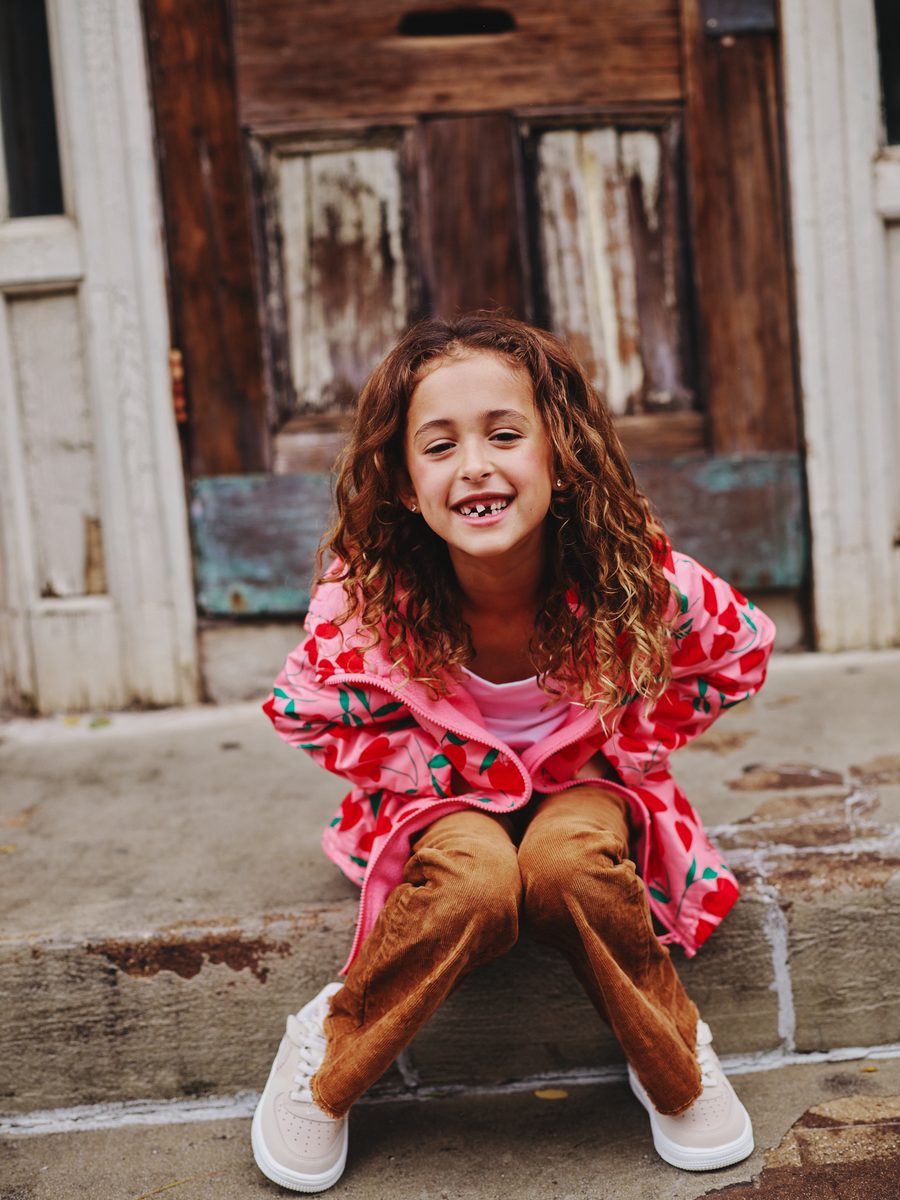
There’s a moment every parent remembers — the first time their child shows a spark. Not just interest, but intensity. For me, it wasn’t just Teagan dancing in the living room or singing in the car. It was the way she focused when it came to movement, how she listened to music like it was a language she already spoke. She wasn’t just performing — she was interpreting. And I knew, even then, that I wasn’t raising a hobbyist. I was raising an artist.
But here’s the thing: every mom thinks their kid is special. That’s not the story. The story is what it’s like to raise a young child who’s already making choices that will shape her career — and her identity — before she’s even old enough to drive. The story is what it means to be a single mother trying to guide, protect, and sometimes just keep up with a child who’s growing faster than the world knows how to hold.
Teagan isn’t just talented — she’s multi-talented. That’s a blessing and a logistical nightmare. Dance, acting, tumbling, art, piano — she’s not dabbling. She’s training. And that means schedules that rival my corporate calendar, emotional highs and lows that come with auditions and performances, and the constant recalibration of what “normal childhood” even looks like.
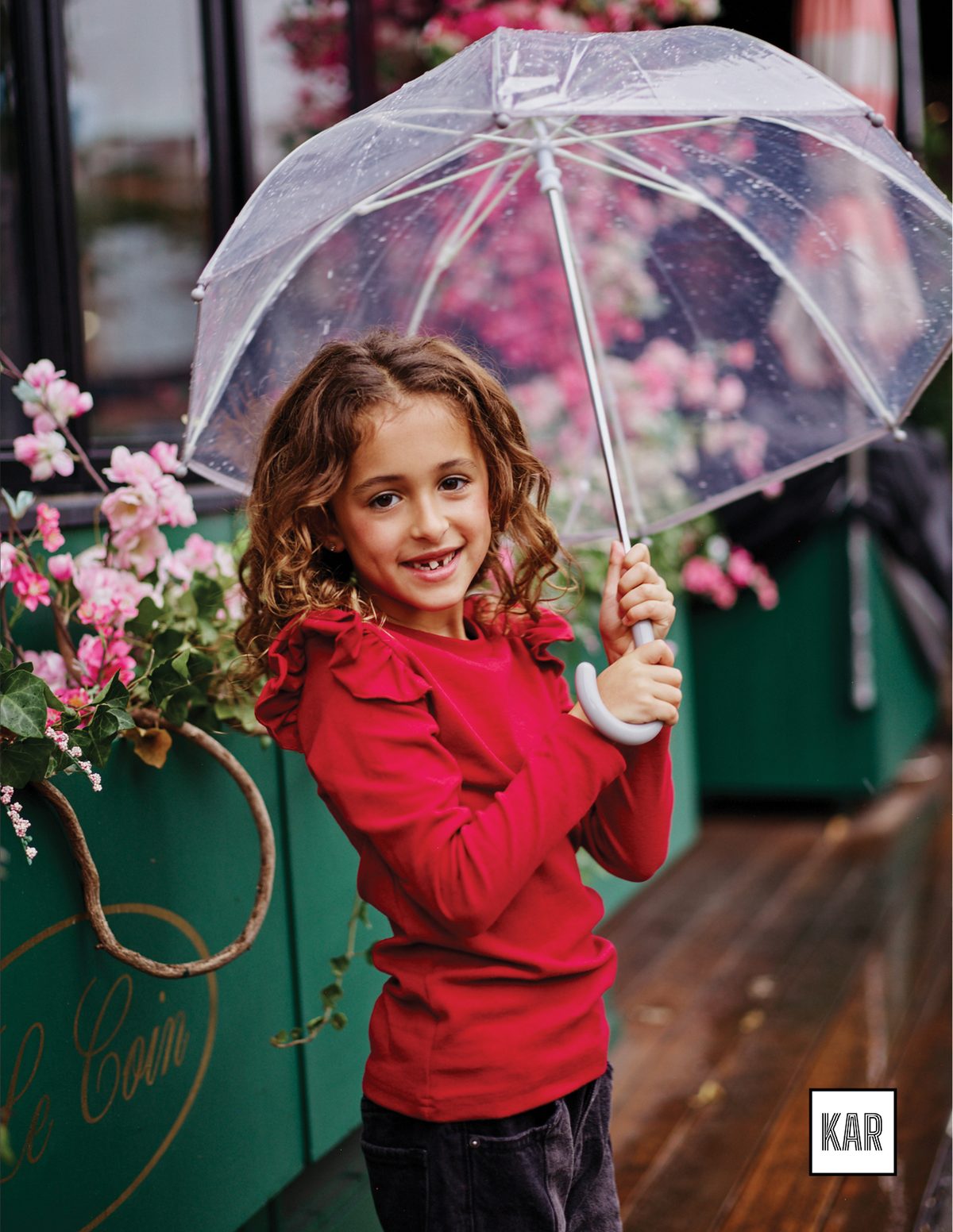
There’s no blueprint for raising a kid like this. And in the absence of a guide, I’ve had to learn to be one myself — not just a mom, but a manager, a mentor, a chauffeur, a therapist, and sometimes, the bad guy.
And not only do I have to navigate her rehearsals, practices, auditions, shoots, and lessons — I must navigate co-parenting. Which, if I’m honest, might be the hardest part of all.
Co-parenting while raising a young artist adds a layer of complexity that few people talk about. It’s not just about coordinating drop-offs or agreeing on bedtime routines. It’s about aligning values, expectations, and long-term vision — in a world that moves fast and demands clarity.
There are moments when we’re not on the same page. When decisions about which opportunities to pursue, how much to invest, or how to handle rejection become points of tension. And unlike a traditional parenting setup, there’s no built-in buffer. Every disagreement has the potential to ripple into Teagan’s emotional and creative life.
I’ve had to learn how to advocate for her while also navigating the dynamics of shared parenting. How to stay focused on her well-being, even when the adult stuff gets messy. It’s not glamorous. It’s not easy. But it’s part of the reality — and it shapes how I show up for her every day.
And it means navigating co-parenting with grace — even when it’s hard. Even when it feels like I’m doing it alone.
At age 38, I can’t tell you how many times I’ve picked up the phone and called my own mom and said, “I’m sorry — and thank you.” I didn’t realize in my younger years the sacrifices she was making each and every day to give me the opportunities I craved. My father, on the other hand, always says, “All those classes and uniforms we paid for, and you didn’t do anything with it.” But that’s where he’s wrong.
I did everything with it.



I learned how to win as a team. How to lose the state championship after hours and months of practicing just one routine. How to be in front of an audience. How to represent myself and a team of others. I learned every single attribute I have now from those moments — that hard work pays off, to have grit, and determination. It led to my career and the confidence I have as an adult. And now, I see those same lessons unfolding in Teagan’s life, just in her own way.
The Discipline Dilemma

One of the hardest parts is helping Teagan navigate the pressure of choosing a discipline. In the arts world, specialization is often seen as the path to mastery. But what do you do when your child equally loves in four or five areas? When she’s getting callbacks for commercials, winning awards for dance, sketching portraits that make adults stop and stare, and playing piano with a sensitivity that feels years beyond her age?
We talk a lot about identity. About how the world will try to box her in, and how she doesn’t have to let it. But we also talk about strategy. About how time is finite, and how every “yes” is a “no” to something else. These aren’t conversations most kids are having at her age.
Raising a young artist means living in a constant state of emotional flux. There’s the joy of watching her light up on stage, the pride when she nails a new trick, the heartbreak when she doesn’t get the part she wanted. And then there’s the quiet stuff — the self-doubt, the comparison, the fear of being “too much” or “not enough.”
I’ve had to learn how to hold space for all of it. To be the person who says, “You’re allowed to feel this,” while also being the person who says, “And now we get back up.” It’s a delicate balance — validating her emotions without letting them define her trajectory. I’m the one who sees the tears after a tough critique and the quiet confidence after a breakthrough.

Teagan’s growth isn’t linear. It’s exponential. One year she’s dancing in local recitals, the next she’s performing in regional & national competitions. One month she’s sketching for fun, the next she’s submitting for best of. And now, she’s composing simple melodies on the piano that feel like the beginning of something bigger.
With every step forward, the stakes get higher. But what excites me most isn’t the accolades. It’s the agency. Teagan is learning to advocate for herself. To say, “This is the kind of artist I want to be.” She’s learning to collaborate, to take feedback, to push through creative blocks. These are skills that will serve her whether she ends up on Broadway, in a studio, or somewhere we haven’t even imagined yet.
We talk a lot about the future. Not in terms of fame or fortune, but in terms of impact. What kind of stories does she want to tell? What kind of spaces does she want to create? What kind of artist — and human — does she want to be?
And as her mom, I think about my role in that future. How do I support her without steering her? How do I protect her without limiting her? How do I make sure she has the tools to thrive, even when I’m not the one holding the map?
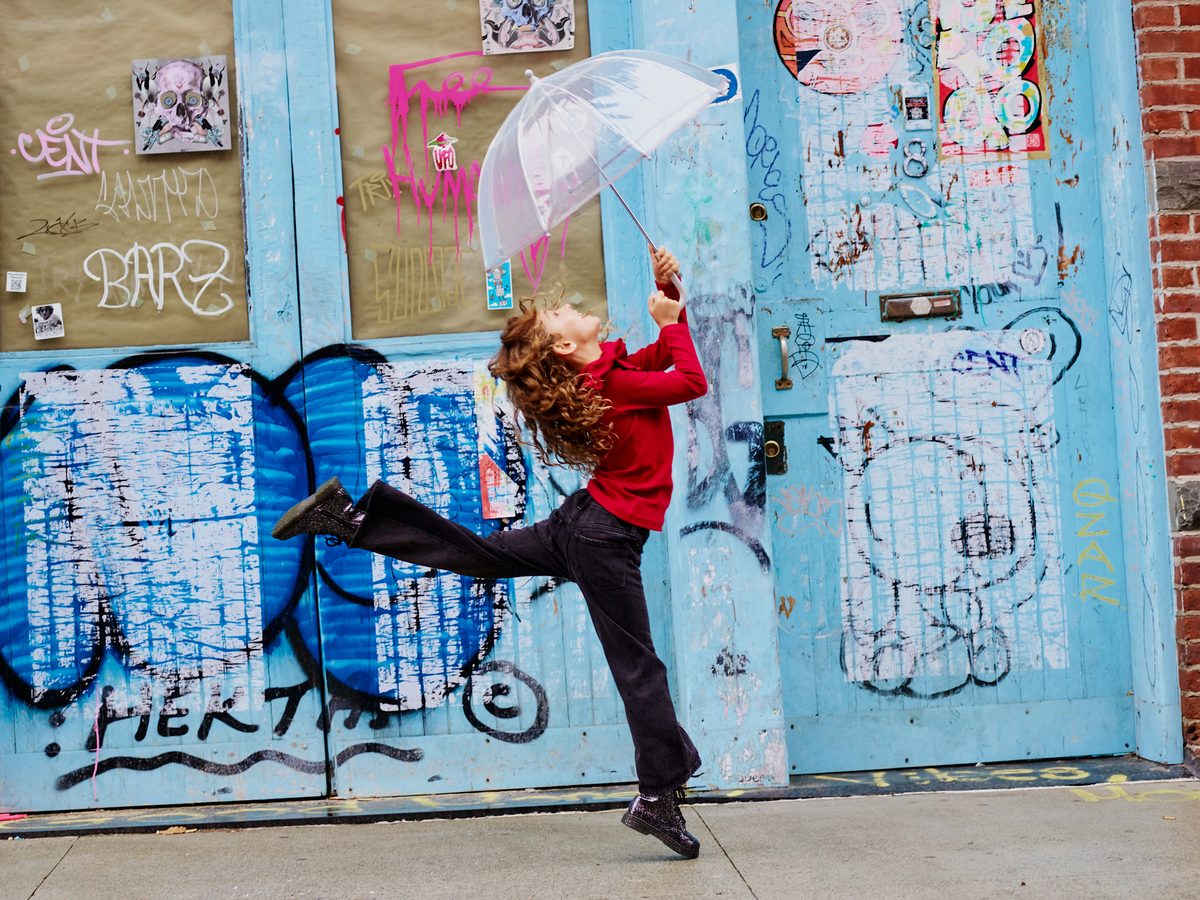
It’s not easy. There are days I feel like I’m failing (a lot of days). Days I worry that I’m pushing too hard, or not hard enough. Days I wonder if I’m giving her the right kind of freedom. But then I see her perform, or hear her talk about a character she’s playing in a musical, or watch her help a younger dancer in ballet — and I remember why we’re doing this.
Behind every young artist is a support system. And for Teagan, that system is me. That means late nights, early mornings, financial sacrifices, emotional labor, and a whole lot of improvisation. It means learning the language of casting calls, understanding the politics of youth performance spaces, and constantly advocating for her in rooms where she’s still learning to speak up.
It also means letting go. Letting her fail. Letting her make choices I wouldn’t make. Letting her define success on her own terms. And it means navigating co-parenting with grace — even when it’s hard. Even when it feels like I’m doing it alone.
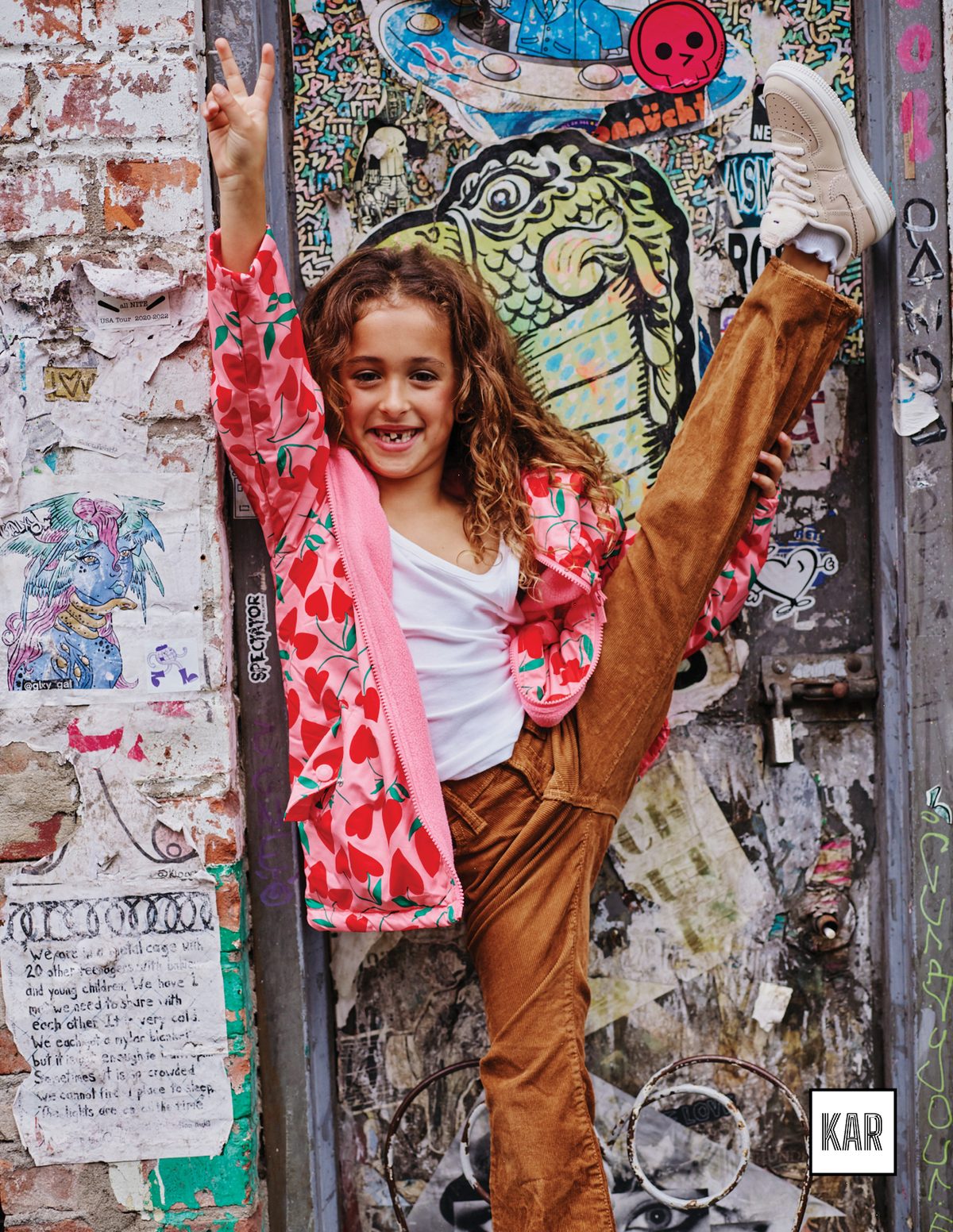
This isn’t a fairy tale. It’s not a “look how amazing my kid is” story. It’s a real-life account of what it means to raise a young artist in a world that demands excellence, resilience, and clarity — often before kids are developmentally ready to provide it. I often find myself saying, “Teagan, I know you’re only 6, but mommy needs to explain it to you like you are 10.”
It’s about the tension between nurturing and navigating. Between dreaming and doing. Between being a mom and managing her. And it’s about Teagan — not as a prodigy, but as a person. A person who’s growing, evolving, and learning to wield her talent with intention.

If you’re a parent raising a young artist, you know the terrain. It’s beautiful and brutal. It’s full of possibility and pressure. And if you’re a single parent, you know the stakes are even higher. There’s no one else to carry the load. No one else to split the decisions. No one else to say, “You’re doing enough.”
But here’s what I’ve learned: the journey is worth it. Not because of where it might lead, but because of who it’s shaping her to be. And who it’s shaping me to be. We’re not chasing fame. We’re building a foundation. One rehearsal, one sketch, one audition, one piano lesson, one conversation at a time. And if Teagan ends up on a stage that makes the world take notice, great. But if she ends up creating art that makes her feel seen, that’s even better.
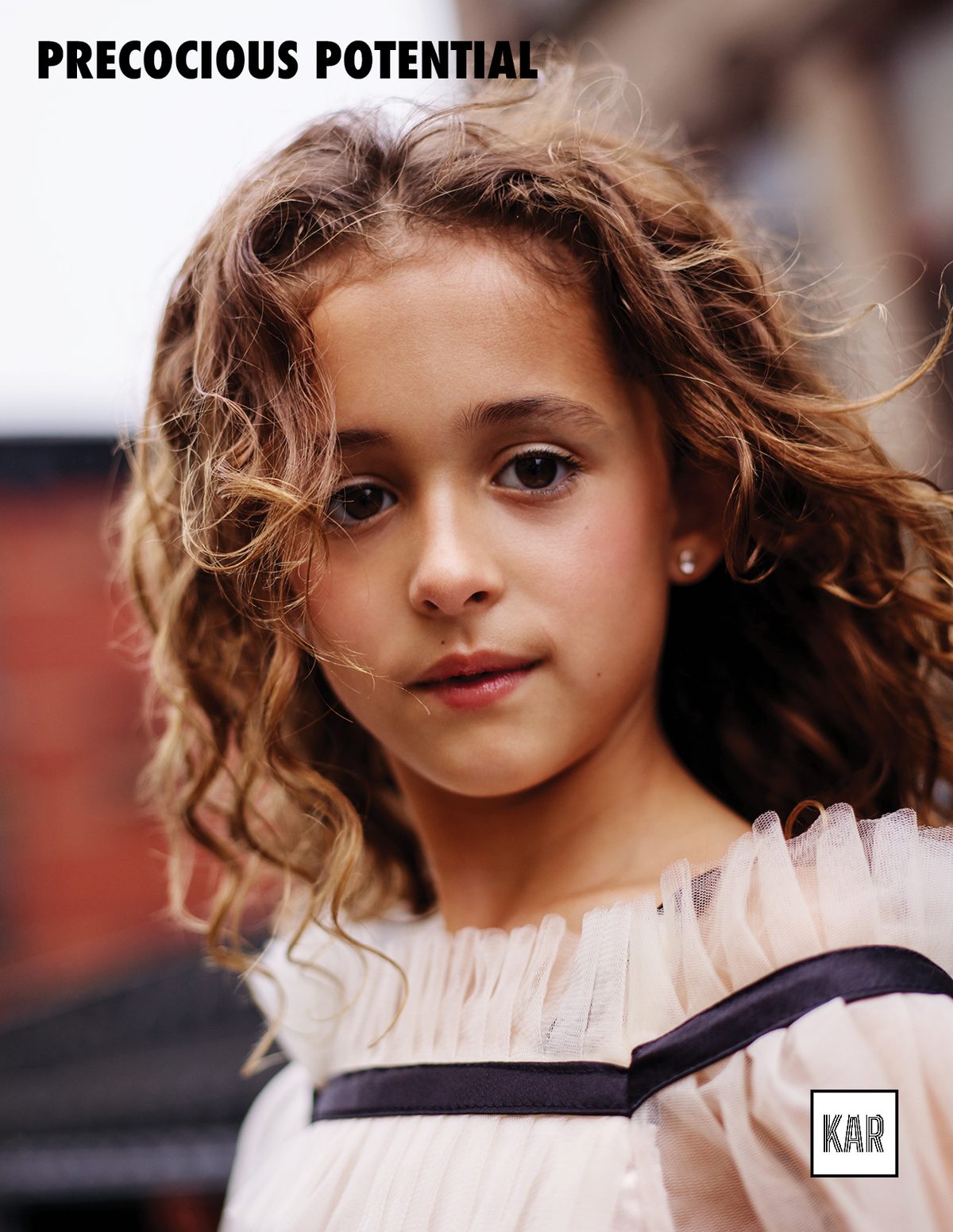
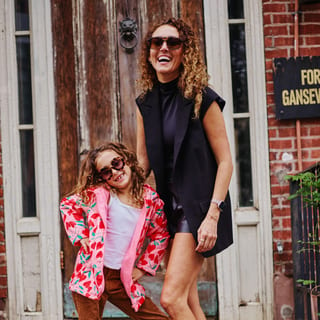
Abby Thompson
Abby Thompson, a 38-year-old mom with a passion for connection, communication, and adventure. As a professional at Cox Automotive, she thrives on building authentic relationships and energizing those around her through clear, compelling communication. With a strategic mindset and a talent for tailoring every plan to the unique strengths of the people she works with, Abby doesn’t just see the path forward — she helps others walk it with confidence. A healthy dose of competition fuels her drive to raise the bar, not only for herself but for her entire team. Outside the office, Abby’s world revolves around her daughter, Teagan, and their 115-pound Saint Bernard, Dolly. Together, they’re on a mission to visit all 50 states before Teagan graduates high school. Whether she’s snow skiing in the winter, soaking up the sun on the water in the summer, or simply creating memories along the way, Abby finds joy in every season. She credits her parents as her lifeline — the steady support that makes it possible to balance her own career and Teagan’s pursuits. With her 40th birthday trip to Italy on the horizon, Abby’s ready to say ciao bella to the next great adventure.
All pieces by Abby Thompson →