Art Direction: The Future of Social Practice
What is art direction? Why is it important?
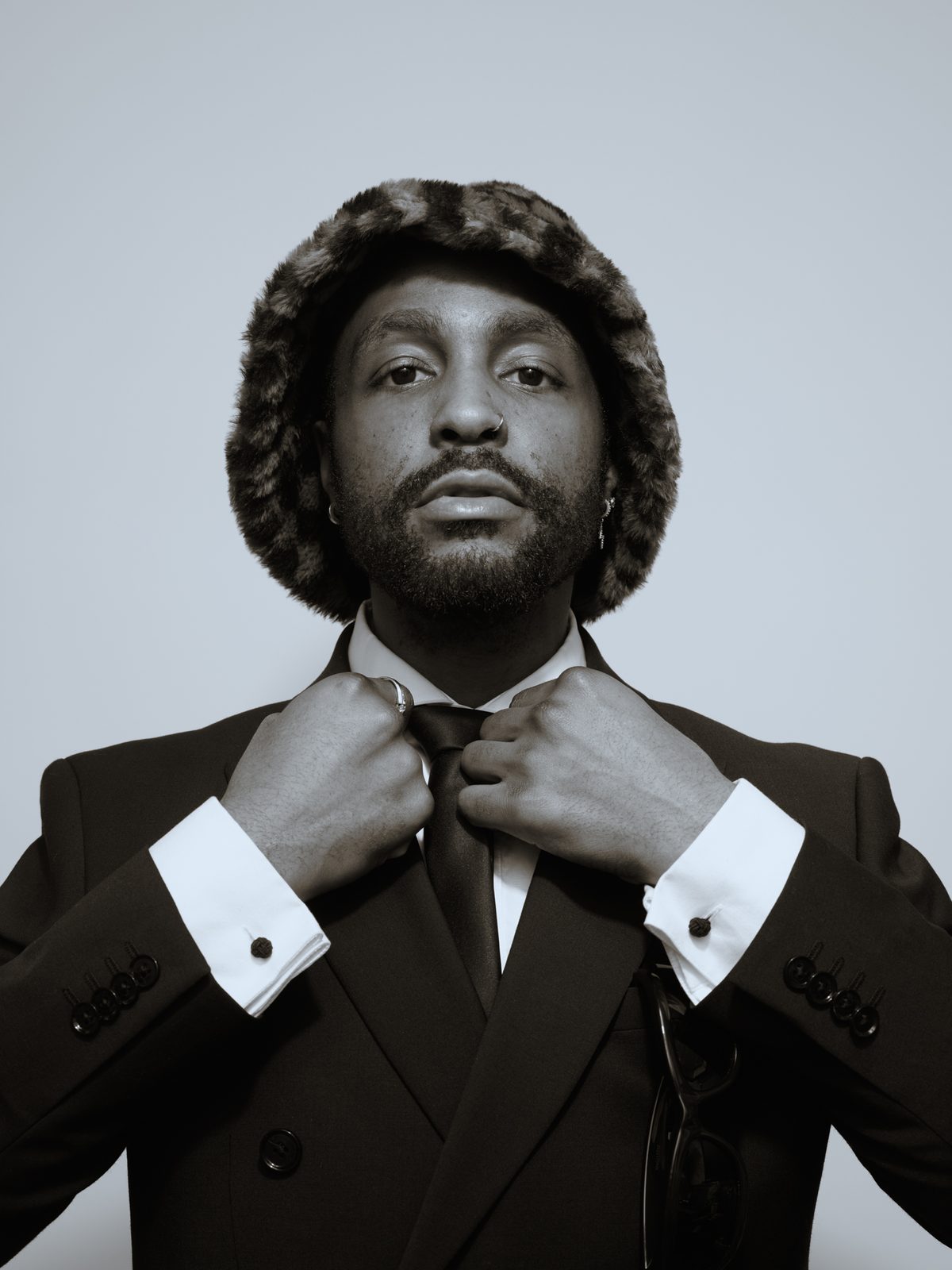
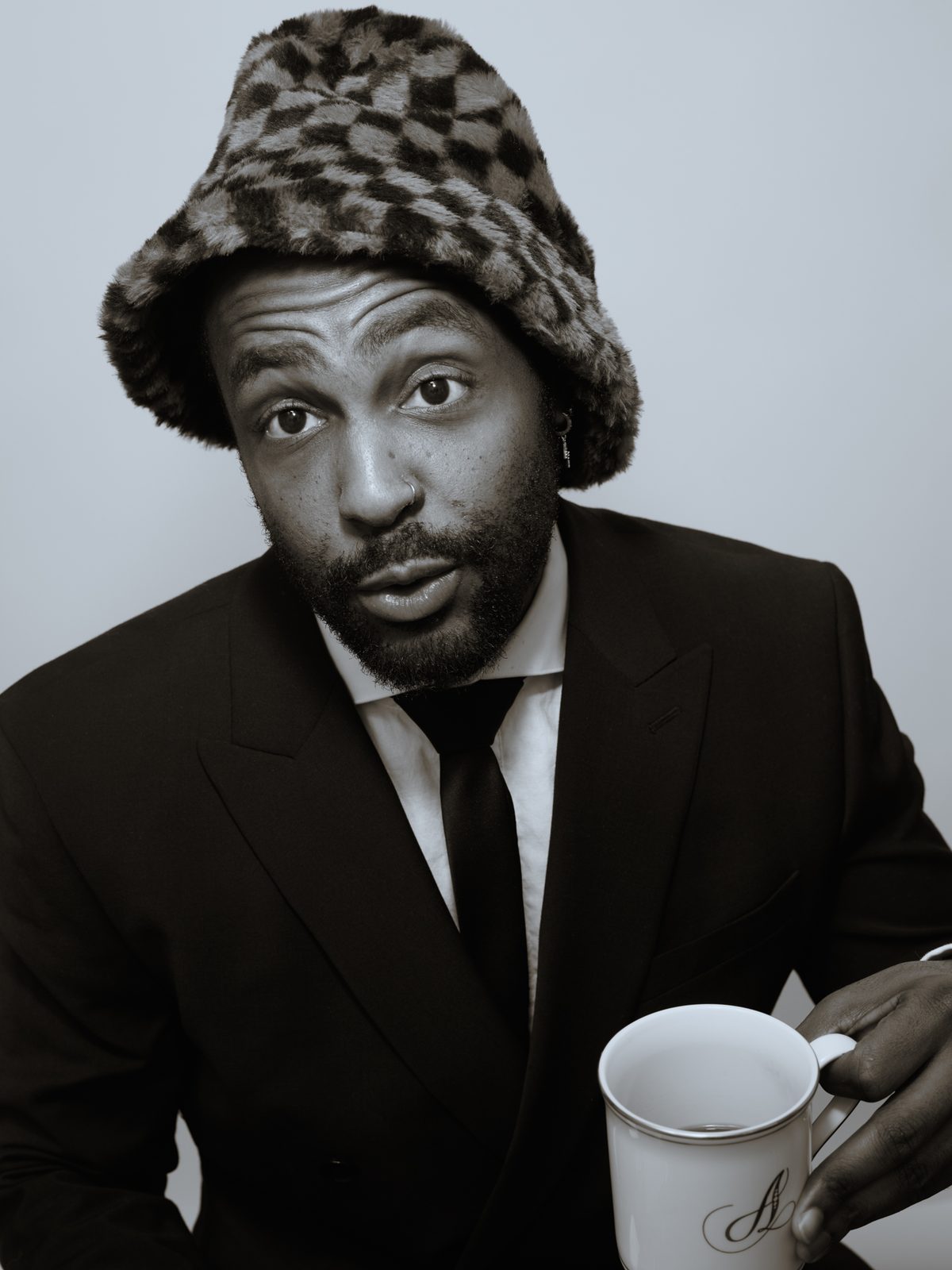
As I again prepare for another transition, these questions are at the heart of my recent work and what I’ve learned over the years in the fashion industry. Art direction has moved from something I once saw as purely visual, about making things look polished or beautiful, to something much deeper. It’s about shaping meaning, telling stories, and building visual worlds that challenge, inspire, and push culture forward.
At its core, art direction is about intention. It’s the craft of deciding what we see, how we see it, and why it matters. It’s the bridge between scattered ideas and a unified message. It’s what pulls together photography, design, typography, styling, space, and emotion – transforming them into something that feels not just aesthetically sharp, but emotionally and culturally alive.
Art directors do a lot. They lead creative teams, generate fire ideas, protect the design process, and develop the visual language of creative executions. That’s a lot. But let’s be honest, you HAVE to focus on all of it.
Because you can’t really separate one part from the rest. Creative leadership without vision is hollow. Visual language without protection can get watered down. Ideas without execution stay on the moodboard. Art direction requires all of these muscles working together – strategy, intuition, taste, timing, and care. It’s about knowing when to guide and when to listen, when to refine and when to disrupt.
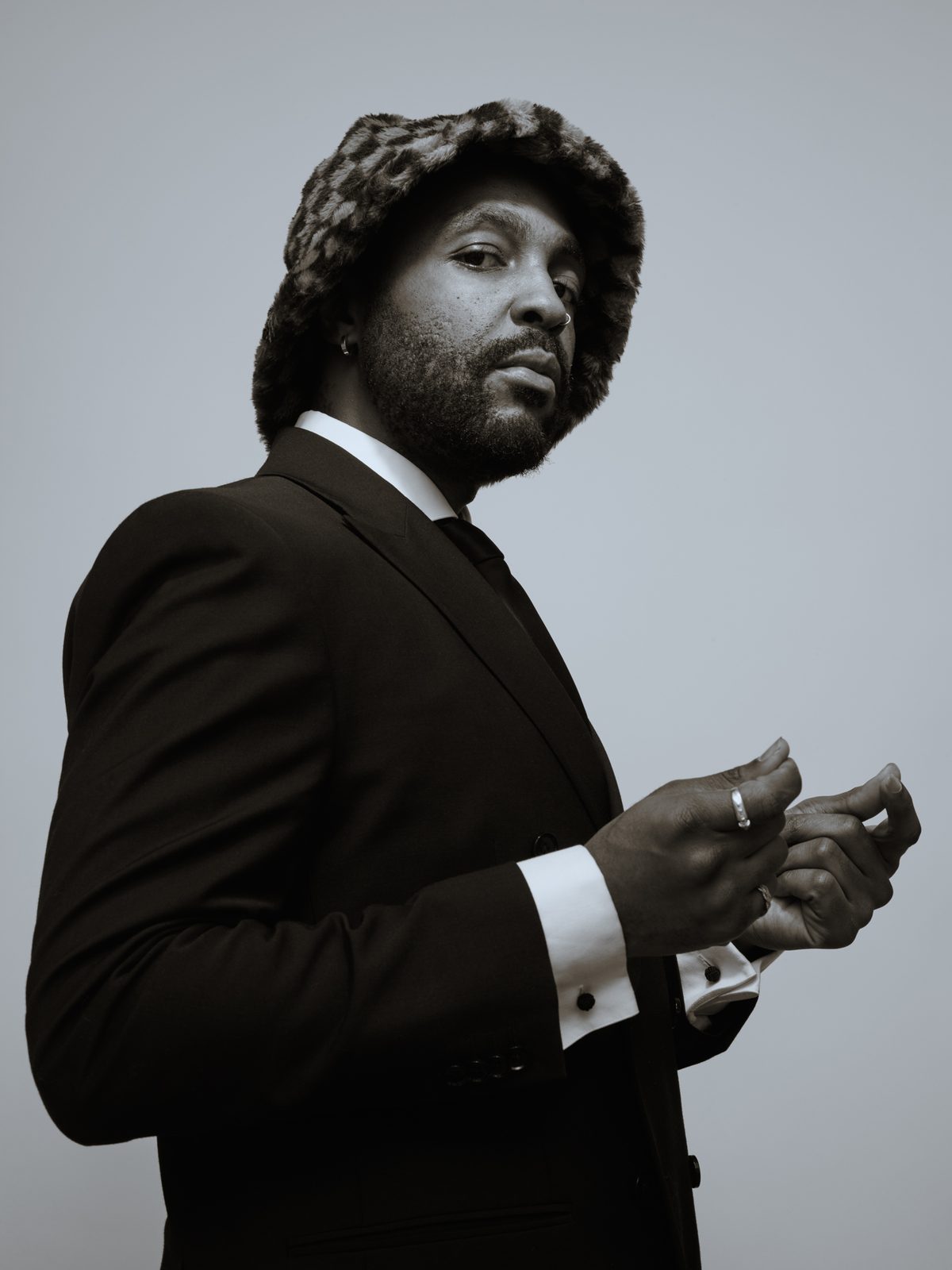
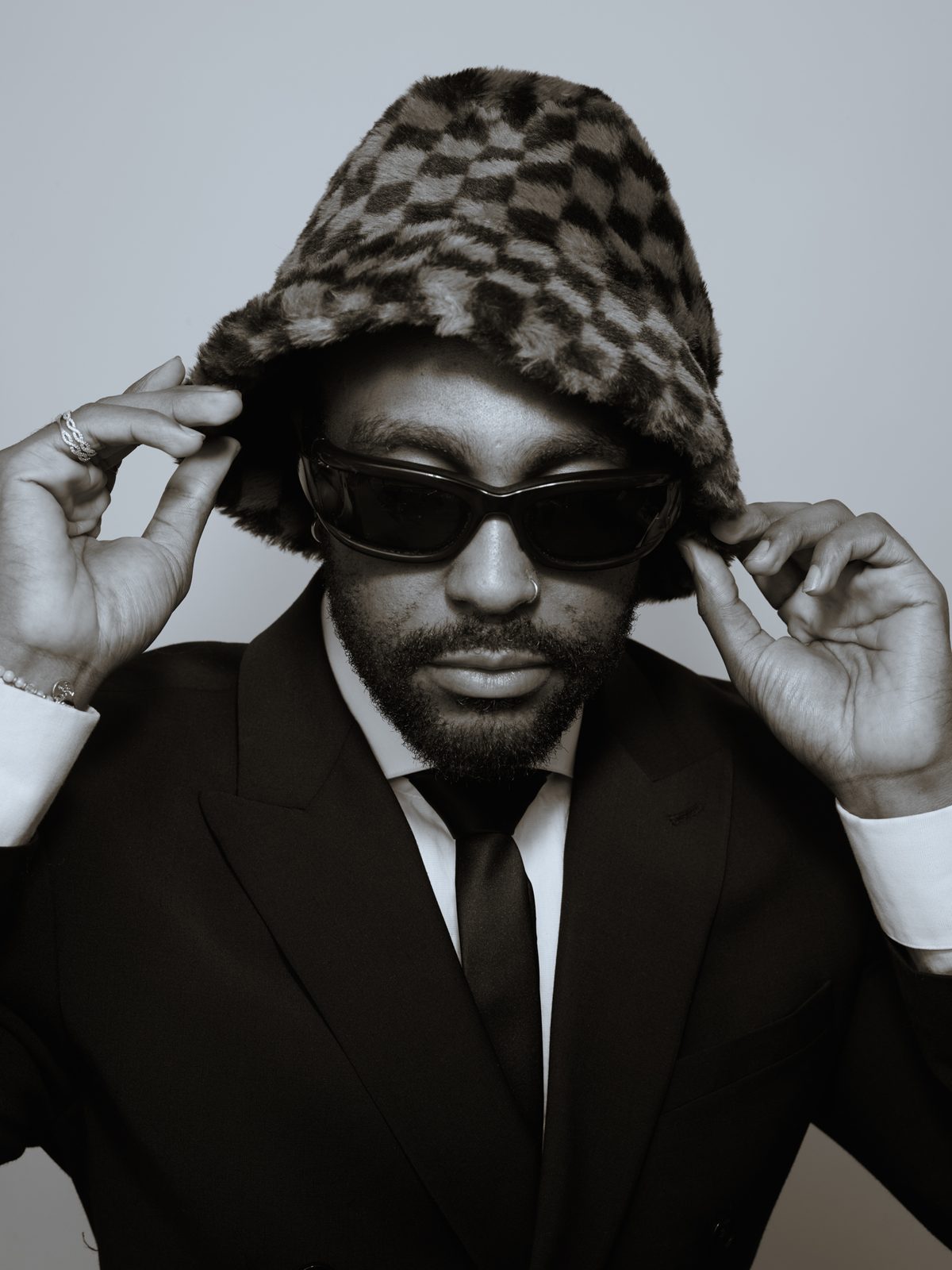
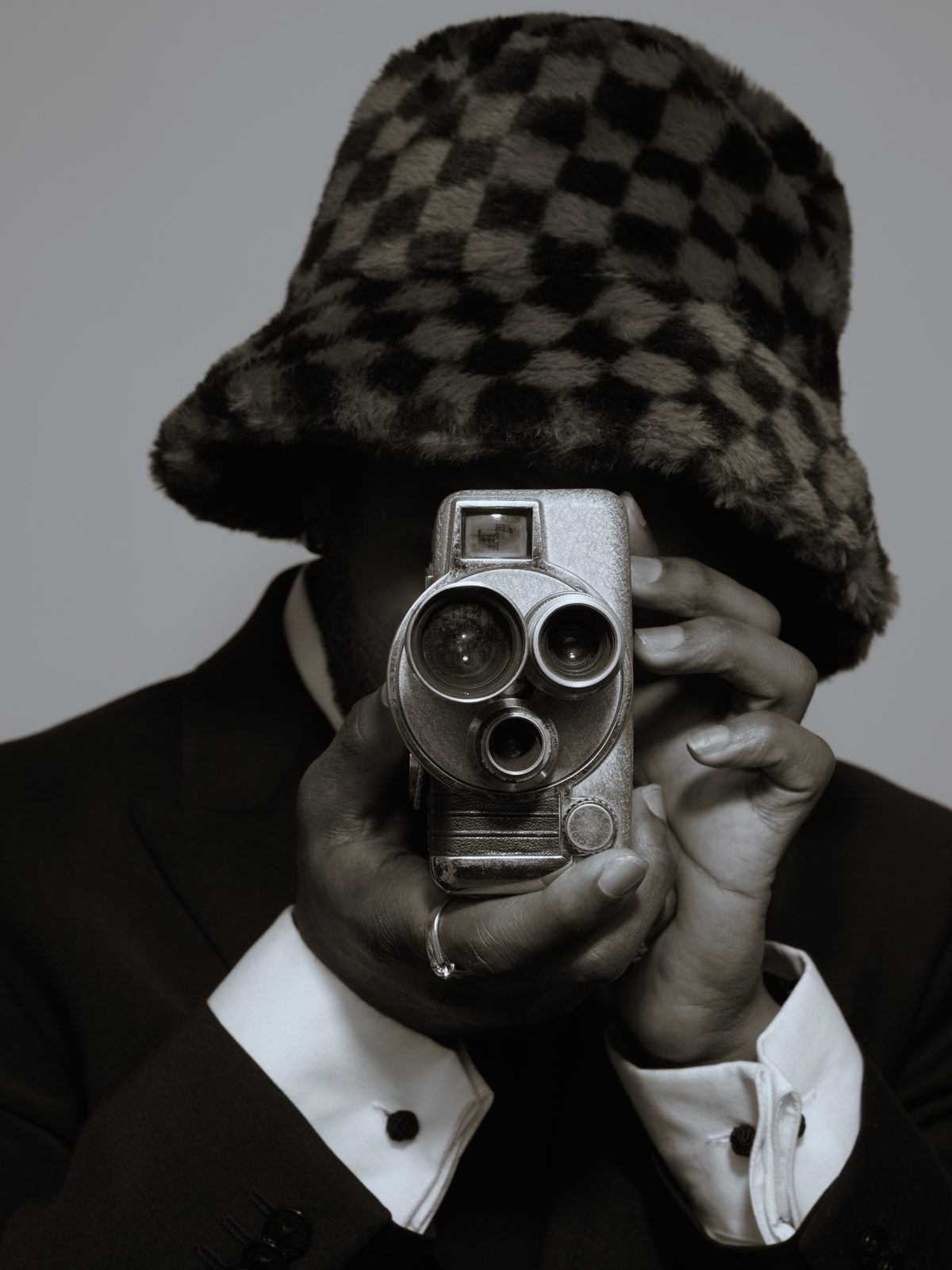
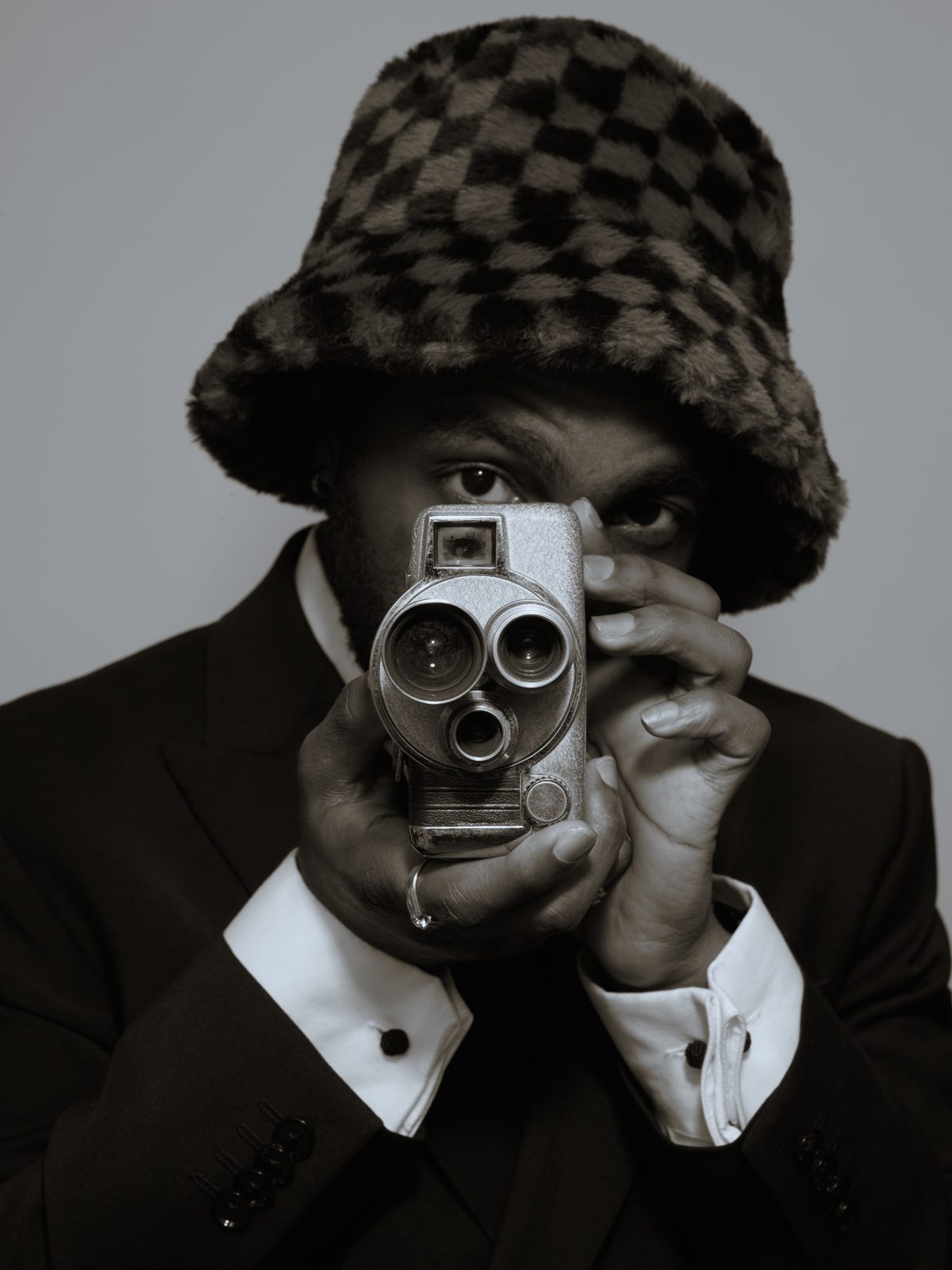
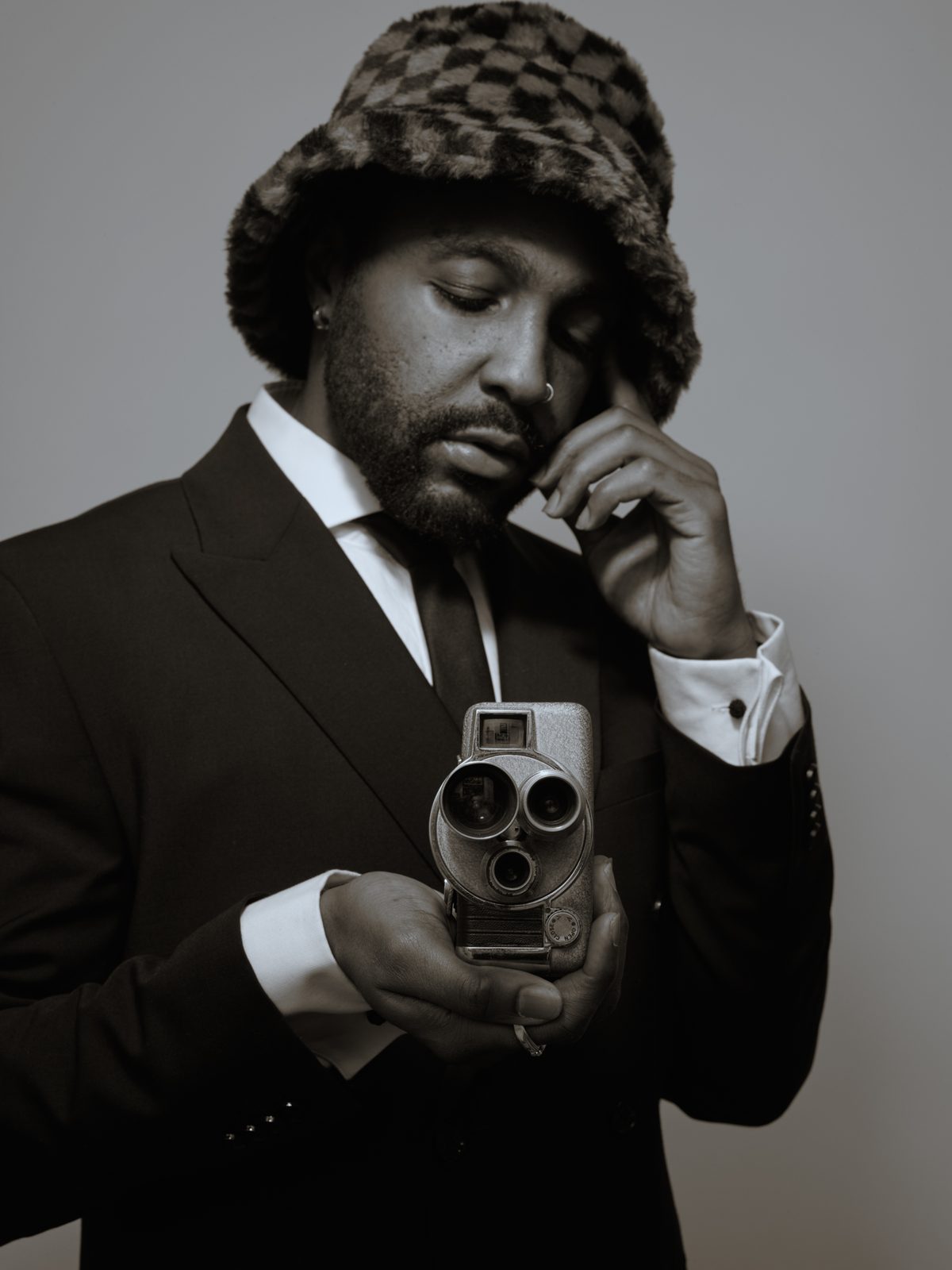
Be a vault. Know your techniques and references like second nature. Make yourself an overflowing fount of visual techniques and motifs, and be able to pull them out on command. You should know what’s trendy (and why), what’s not (and why), what’s nostalgic (and why), and what’s sacred (and why).
Virgil Abloh, who blurred the lines between streetwear, luxury, architecture, and music, pulling references from everywhere from Caravaggio paintings to Nike sneakers to the raw energy of youth culture. He approached art direction as cultural curation. His genius wasn’t just in remixing, it was in reframing. Abloh understood that art direction isn’t about “fitting in,” it’s about making space for new worlds to emerge, for overlooked voices to rise, and for meaning to be layered into every detail.
Or think about Wes Anderson, whose meticulous, symmetrical frames and color palettes have created an instantly recognizable visual language, one that feels nostalgic, playful, and slightly surreal all at once. Both Abloh and Anderson remind me that when art direction is intentional, it becomes its own kind of authorship.
In a time when conversations around identity, equity, sustainability, and justice are at the forefront, the visual language we create matters more than ever. When approached with creativity, innovation, and a social justice lens, art direction can break old systems, challenge dominant narratives, and open the door to new ways of seeing.
Fashion offers one of the clearest examples. For decades, fashion visuals mirrored a narrow definition of beauty, often excluding Black and brown bodies, trans and nonbinary people, models with disabilities, and bodies outside rigid size ideals. But in recent years, we’ve seen a shift. Campaigns and editorials are beginning to center these communities not as side notes, but as the heart of the story. That doesn’t happen by accident. It’s the work of art directors who understand that every image carries meaning, and that their role is to either reinforce or resist the status quo.
And this extends beyond fashion. Social movements like climate justice, Black Lives Matter, and reproductive rights have all relied on visual language to amplify their voices. The bold posters, protest signs, murals, Instagram slides, and zines. All of it carries the fingerprints of art direction. It gives movements a heartbeat. It transforms complicated demands into something people can feel, connect with, and rally around. It makes resistance impossible to ignore.
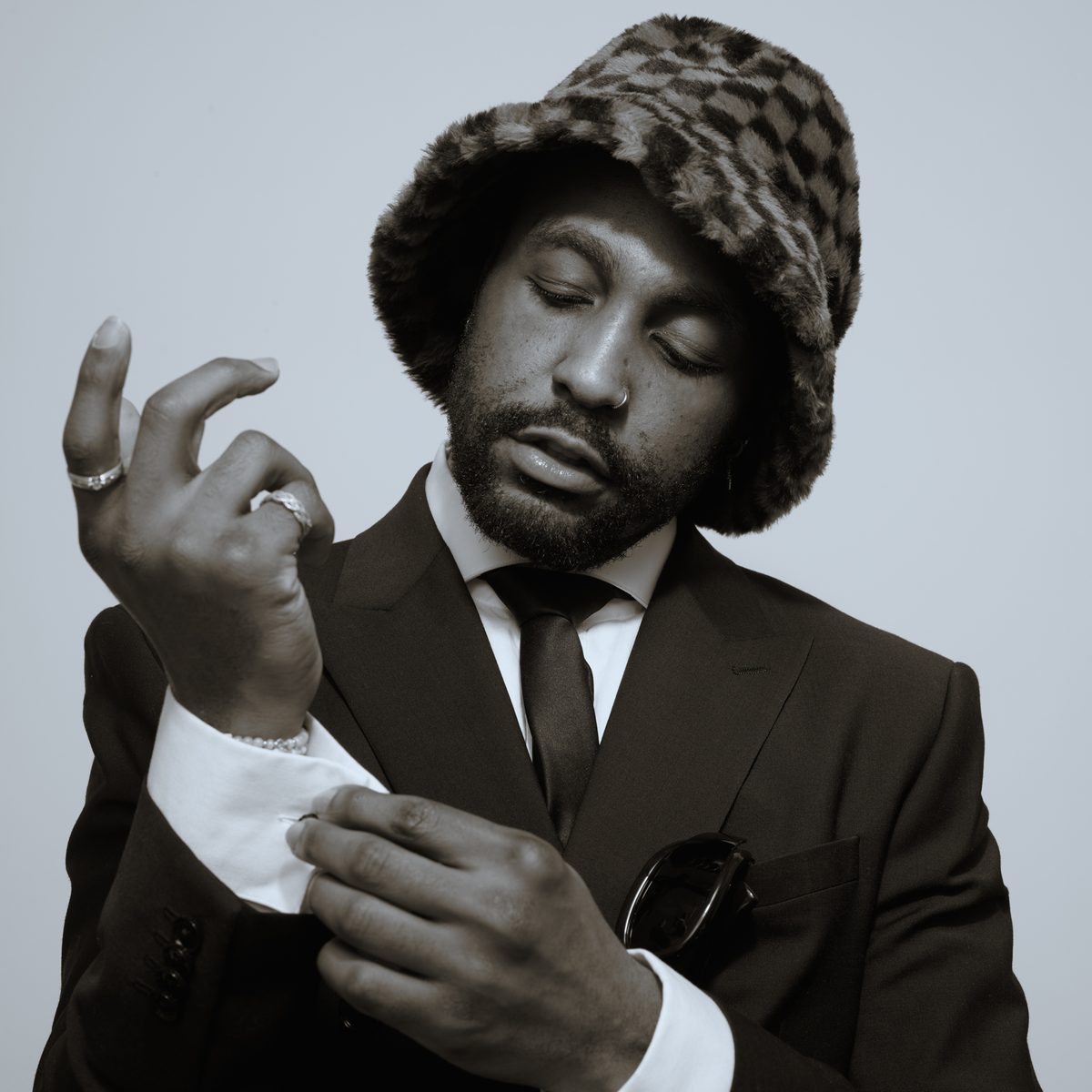
Here’s the catch: while your references can come from anywhere; art, music, film, nature, history. They shouldn’t come from other ad campaigns. None. You can interpret those inspirations in ways that feel fresh or new, but recycling advertising tropes only keeps you locked in the same cycles. True innovation comes from looking wider, digging deeper, and trusting your own point of view.
What I’ve learned is that art direction is deeply collaborative. It’s rarely a solo act. It’s a conversation between photographers, designers, stylists, writers, activists, and communities. The art director acts as a conductor, guiding these voices toward a cohesive, meaningful expression, while leaving space for experimentation and discovery. When it works, you get visuals that resonate long after the moment passes.
For marginalized creatives, Black, brown, queer, disabled, working class, art direction becomes a way to reclaim space and authorship. It’s about telling our stories on our own terms, showing up in the visual landscape in ways that are authentic, layered, and unapologetic.
And honestly, some of the most exciting art direction today isn’t coming from big-budget brands or agencies. It’s bubbling up from grassroots spaces, DIY collectives, community zines, and independent projects. There’s a rawness, an urgency, and a rule-breaking energy that’s reshaping visual culture from the ground up.
So why do we need art direction? Because it sharpens how we communicate, how we connect, and how we imagine. It’s not just surface-level polish; it’s the scaffolding that holds meaning, emotion, and purpose together. And as we continue to navigate an unpredictable, complex world, the role of the art director keeps evolving. It’s no longer just about aesthetics — it’s about asking: What stories are we telling? Whose voices are we amplifying? How can we disrupt old narratives and create new ones?
At its best, art direction becomes a form of cultural stewardship. It’s a way of shaping the world we want to live in — image by image, project by project, moment by moment.
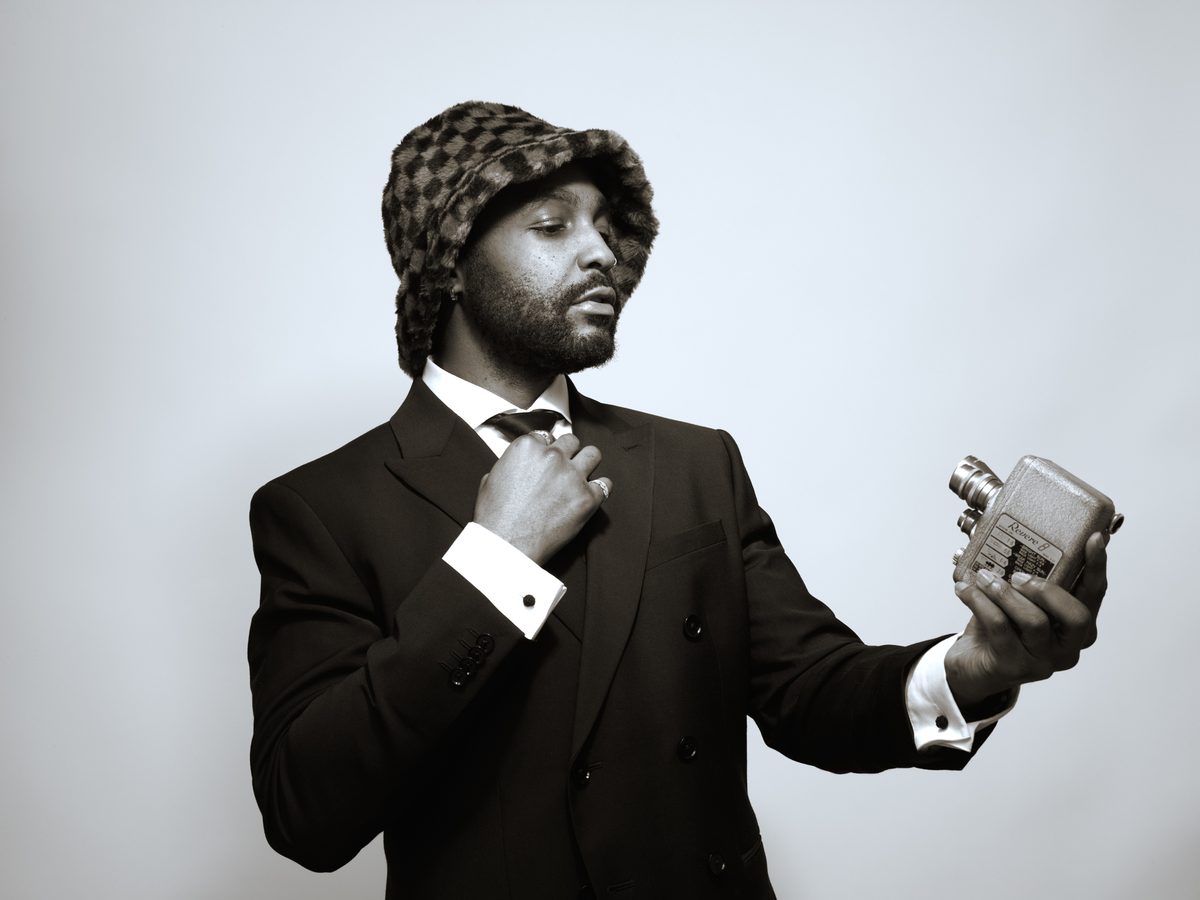
Jeff Karly
I am a Creative Director, Strategist, and Storyteller from Brooklyn, NY, with extensive experience in fashion, entrepreneurship, and culture-driven projects. I see my work and vision as a tension between reporting and storytelling. Often, brands and businesses report what they do, whereas I don’t just tell stories, I build them into experiences, into worlds people can step into. I take a true 360-degree approach to fashion, culture, and design, transforming ideas into living, breathing touchpoints that move audiences.
All pieces by Jeff Karly →